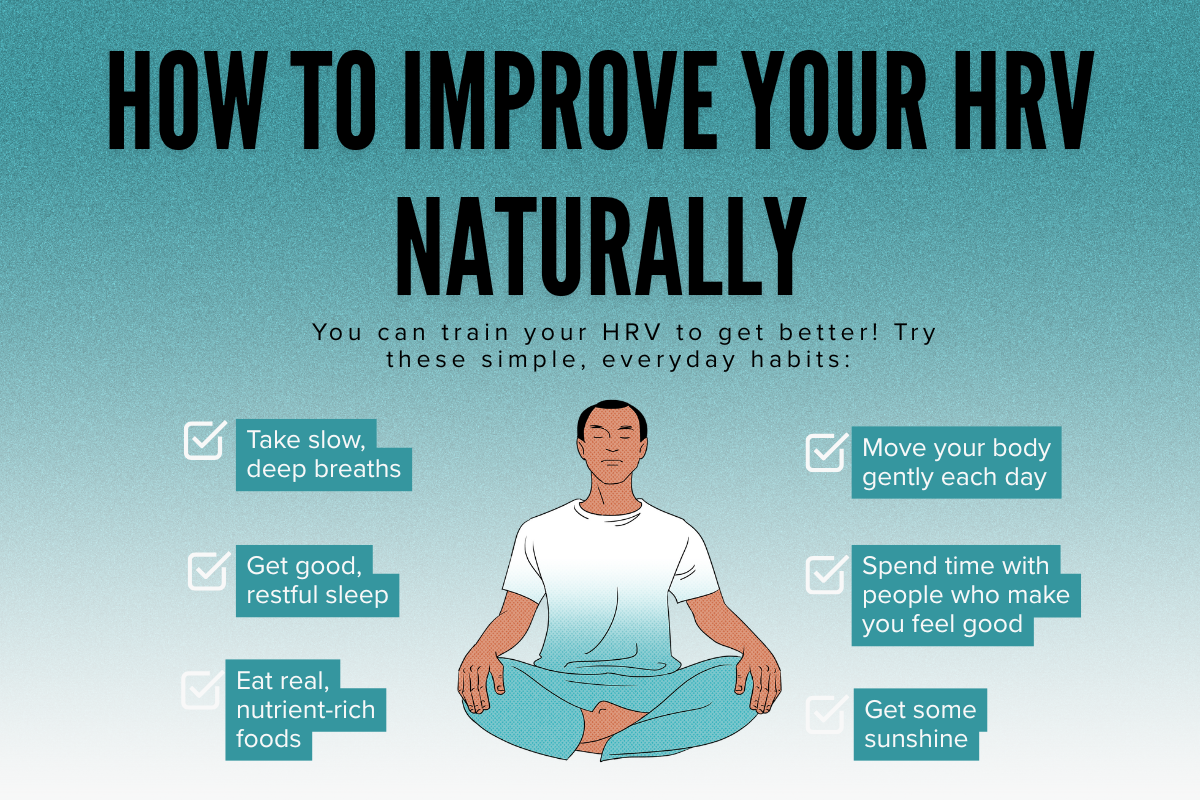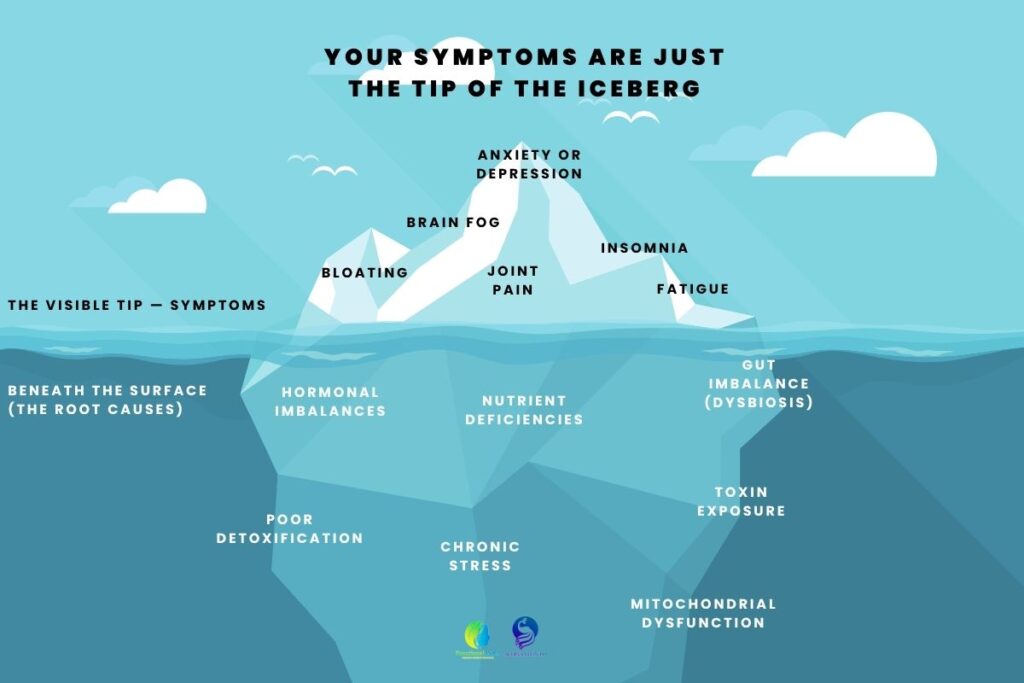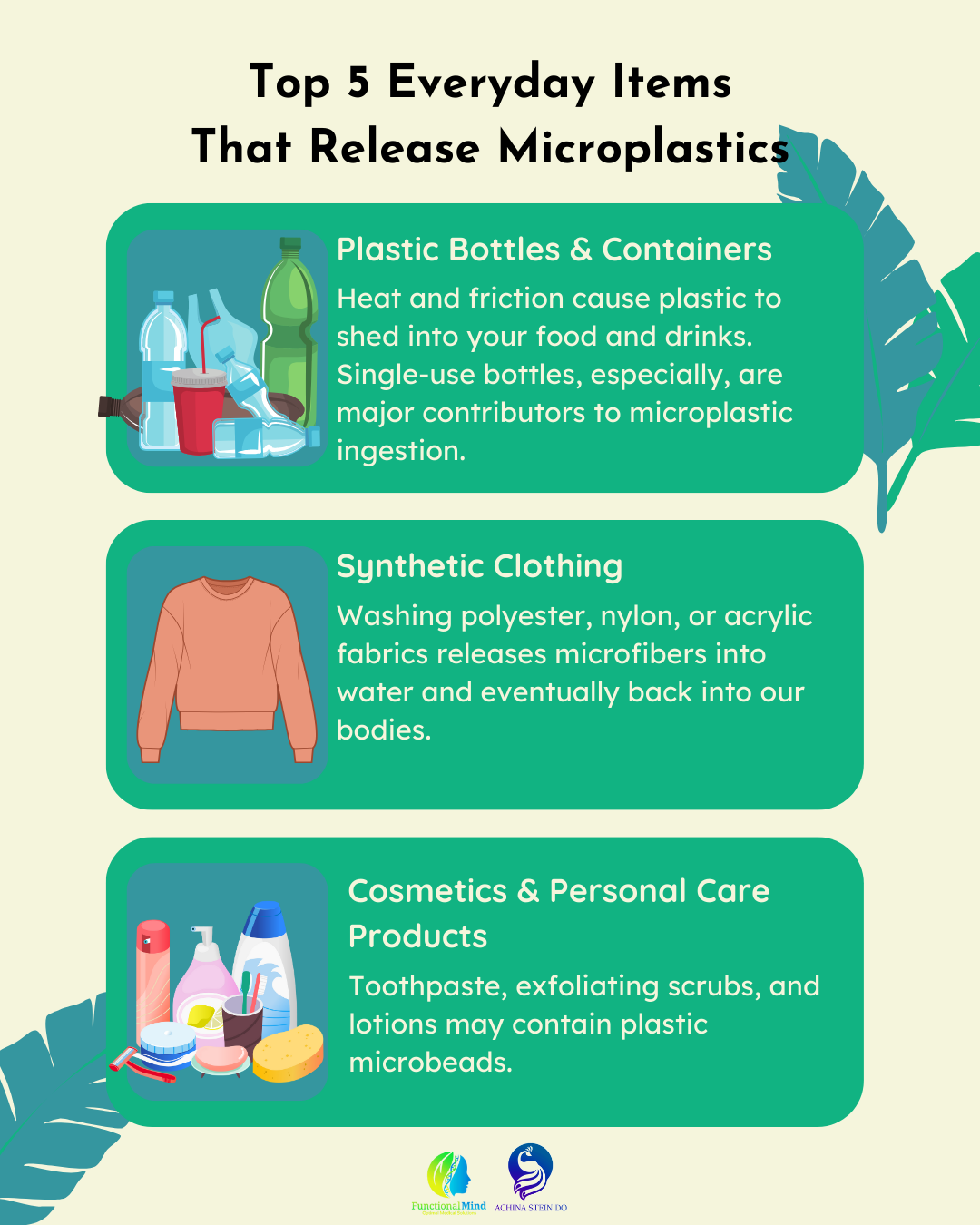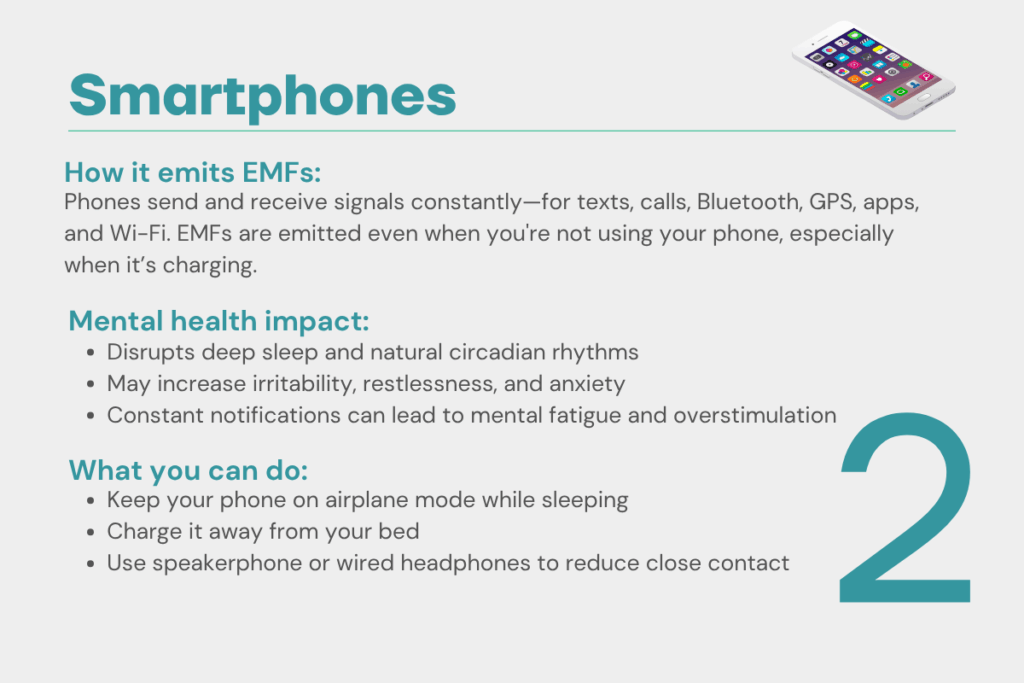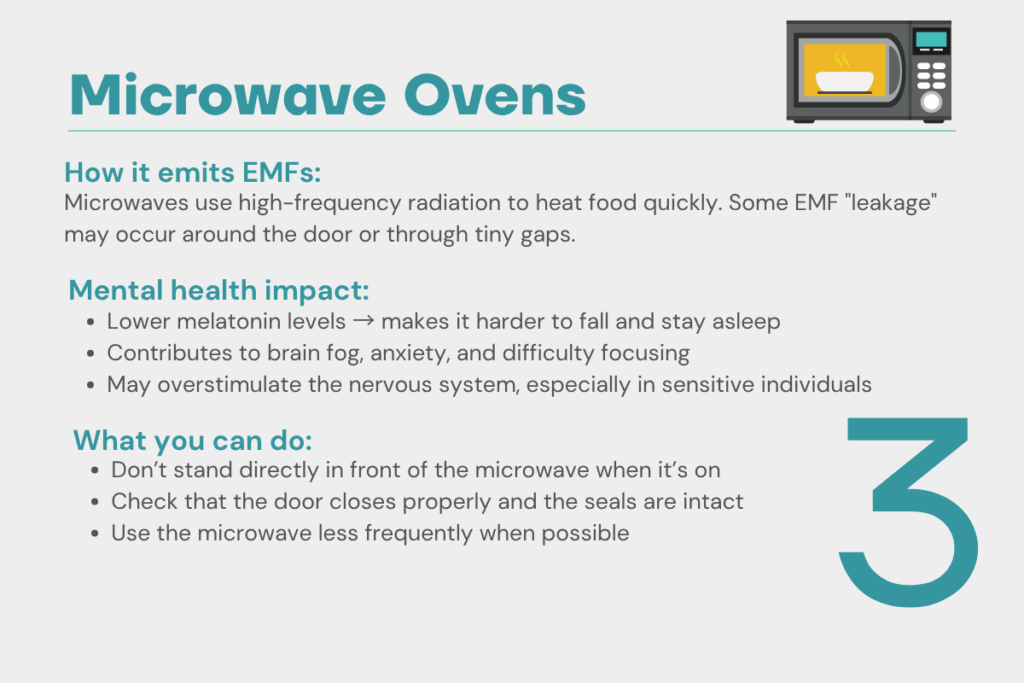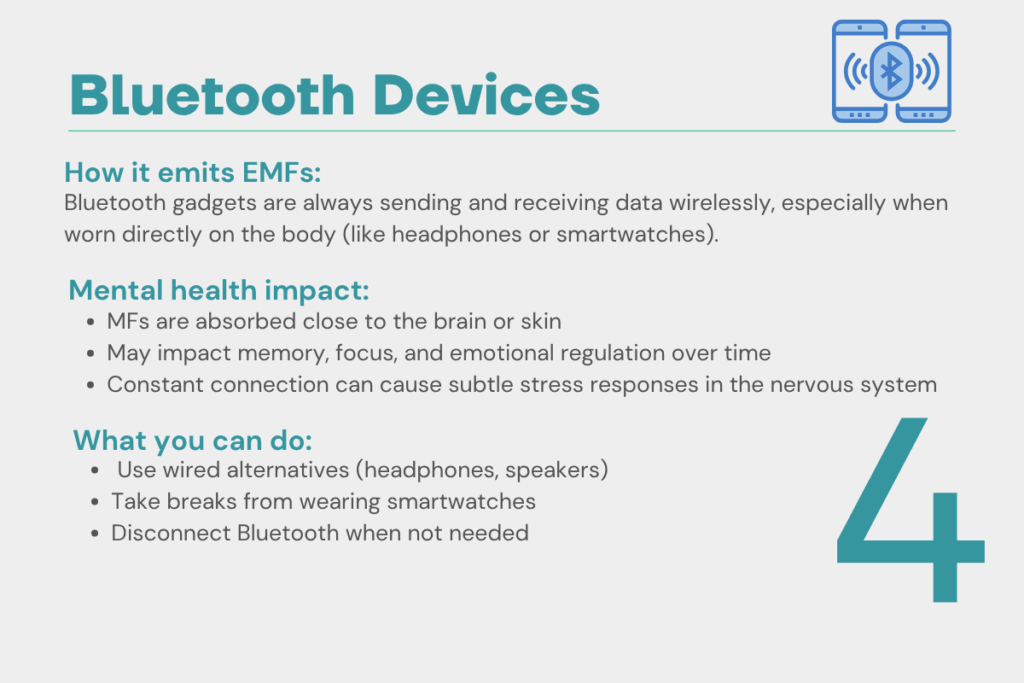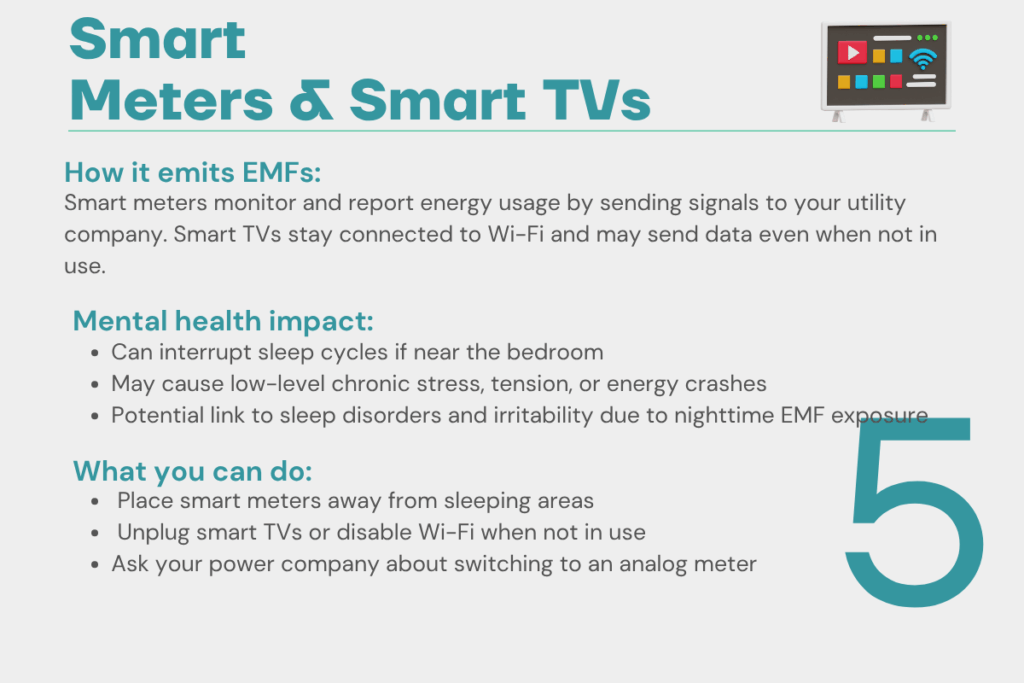
• Overview of toxic household items linked to anxiety, depression, and brain fog

Toxic Household Items That Harm Your Mental Health

Toxic Household Items That Harm Your Mental Health

Are everyday products in your home silently sabotaging your mental clarity and emotional balance? From scented candles to non-stick pans, many toxic household items release harmful chemicals that can negatively impact brain function, mood, and overall mental well-being. These toxins are often hidden in plain sight—embedded in things we use daily and trust to be safe.

In this blog, we’ll uncover nine common household culprits that may be contributing to issues like anxiety, depression, and brain fog. You’ll also learn about safe, non-toxic swaps you can make today to protect your mental health and create a cleaner, calmer environment.


1. Scented Candles

Toxic household items like scented candles vs healthy beeswax candle alternatives

Many conventional candles are made with paraffin wax (a petroleum by-product) and synthetic fragrance. When burned, they release harmful VOCs like benzene, toluene, and formaldehyde.

🧠 Mental Health Effects:

  • Triggers brain fog, headaches, and fatigue
  • Increases inflammation and disrupts hormones
  • Interferes with mood-regulating neurotransmitters

✅ Healthy Swap:

  • Beeswax or soy candles with essential oils
  • Himalayan salt lamps for a natural glow


2. Air Fresheners (Home & Car)

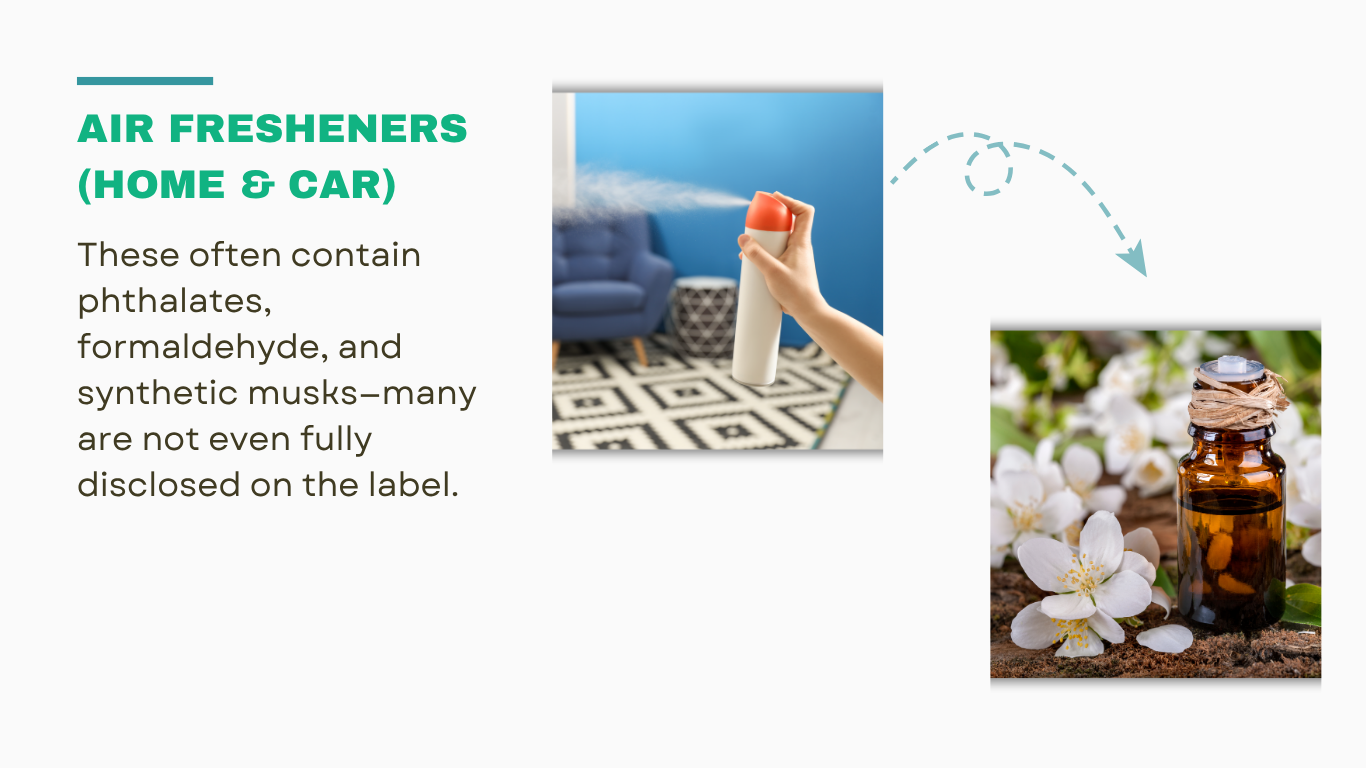
Air fresheners as toxic household items with natural essential oil diffuser swap

Most air fresheners contain phthalates, synthetic musks, and other VOCs that are rarely listed on the label.

🧠 Mental Health Effects:

  • Linked to sleep disturbances, anxiety, and hormone imbalance
  • Disrupts serotonin and dopamine pathways
  • Contributes to poor indoor air quality

✅ Healthy Swap:

  • Essential oil diffuser
  • Baking soda jars or DIY air sprays with water + essential oils
  • Activated charcoal or houseplants to absorb odors naturally


3. Non-Stick Cookware (Teflon / PFAS)

Non-stick cookware as toxic household items and safe alternatives like cast iron pans

Teflon pans and other non-stick cookware often contain PFAS (“forever chemicals”) that leach into food and accumulate in the body.

🧠 Mental Health Effects:

  • Interferes with thyroid function → mood issues
  • Linked to neuroinflammation and learning difficulties
  • Impacts brain detox pathways like the glymphatic system

✅ Healthy Swap:

  • Cast iron, stainless steel, or ceramic-coated cookware


4. Household Cleaning Products

Toxic household cleaning products and natural non-toxic cleaning solutions

Conventional cleaners often contain ammonia, chlorine bleach, and triclosan, which release neurotoxic fumes.

🧠 Mental Health Effects:

  • Irritate the respiratory pathways and stress the nervous system
  • Trigger cortisol spikes and oxidative stress
  • Contribute to chronic inflammation

✅ Healthy Swap:

  • DIY vinegar + baking soda solutions
  • Non-toxic brands like Branch Basics, Blueland, or ECOS


5. Laundry Detergents & Dryer Sheets

Fragranced laundry products as toxic household items with clean detergent and wool dryer ball alternatives

Loaded with synthetic fragrance, quaternary ammonium compounds, and optical brighteners, these chemicals can be absorbed through the skin or inhaled.

🧠 Mental Health Effects:

  • Disrupt hormones through skin absorption
  • Linked to mood swings and sleep disturbances
  • Potential allergen and irritant to the brain

✅ Healthy Swap:

  • Fragrance-free or EWG-verified detergents
  • Wool dryer balls with a few drops of essential oils


6. Upholstery & Carpets (Flame Retardants)

Toxic flame retardants in upholstery and carpets with safer furniture and HEPA vacuum options

Furniture and carpets are often treated with PBDEs and other flame retardants—persistent environmental pollutants that affect the nervous system.

🧠 Mental Health Effects:

  • Impairs memory, learning, and attention
  • Associated with developmental delays and thyroid issues
  • Creates long-term inflammation in the brain

✅ Healthy Swap:

  • Choose flame-retardant-free furniture
  • Vacuum frequently with a HEPA filter
  • Use rugs made from natural fibers like wool or jute


7. Personal Care Products

Toxic household items in personal care products like lotions and deodorants with clean beauty alternatives

Lotions, deodorants, perfumes, and makeup may contain parabens, phthalates, formaldehyde, and synthetic fragrance.

🧠 Mental Health Effects:

  • Endocrine disruption → mood instability and fatigue
  • Alters cortisol, estrogen, and testosterone levels
  • Can increase risk of anxiety and depression

✅ Healthy Swap:

  • Use EWG-verified personal care items
  • Choose products labeled “fragrance-free” and paraben-free
  • Simplify your skincare routine with clean, natural alternatives


8. Plastic Food Containers

Plastic food containers as toxic household items with safer glass or stainless steel food storage alternatives

When heated, plastic containers can release BPA, BPS, and other hormone-disrupting chemicals into your food.

🧠 Mental Health Effects:

  • Mimics estrogen → mood swings and irritability
  • Disrupts the hypothalamus and stress response system
  • Linked to increased risk of anxiety and depressive symptoms

✅ Healthy Swap:

  • Use glass or stainless-steel containers
  • Avoid microwaving food in plastic altogether


9. Poor Indoor Air Quality

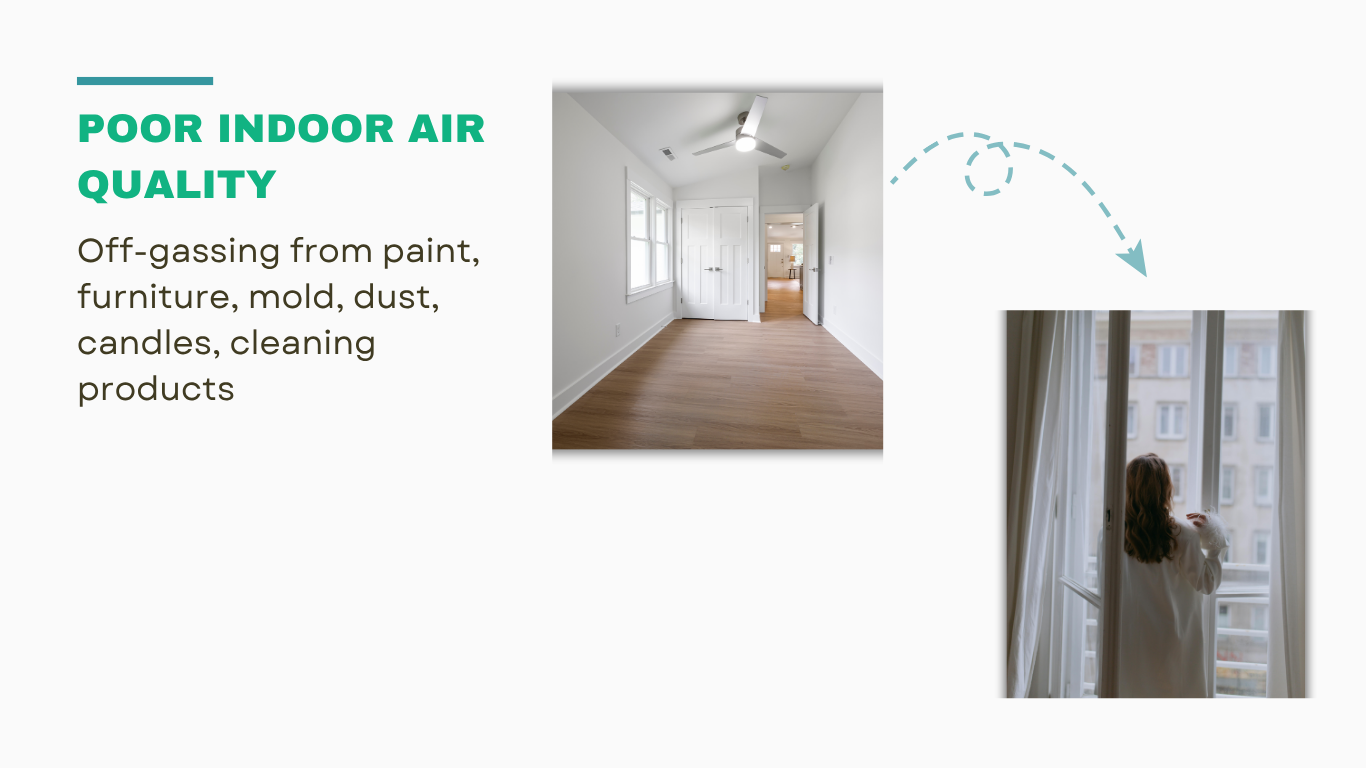
Impact of poor indoor air quality from toxic household items and air-purifying swaps like plants and filters

Pollutants from paint, furniture, mold, and synthetic cleaning products can create a cocktail of VOCs inside your home.

🧠 Mental Health Effects:

  • Reduces oxygen to the brain → brain fog and fatigue
  • Chronic low-level exposure linked to depression
  • Mold toxins in particular are associated with panic attacks and mood disorders

✅ Healthy Swap:

  • Open windows daily to ventilate
  • Use HEPA air purifiers
  • Add air-purifying plants like snake plant, pothos, and peace lily


A Toxin-Free Home for a Healthier Mind

Functional medicine support for mental health symptoms linked to toxic household items

You don’t need to overhaul your entire home overnight. Start small. Replace one toxic item at a time and notice how your energy, focus, sleep, and mood begin to improve. Your environment has a powerful impact on your mental and emotional health. Creating a non-toxic space helps your brain heal, your hormones balance, and your body thrive.

How Dr. Achina Stein and Functional Mind LLC Can Help

Dr. Achina Stein and the team at Functional Mind LLC specialize in uncovering the hidden root causes of mental health challenges using a holistic, functional medicine approach. We don’t just treat symptoms—we investigate how environmental toxins, nutrient imbalances, gut health, and hormone disruption affect your brain and mood.

Whether you’re struggling with anxiety, depression, brain fog, or fatigue, we provide personalized assessments and strategies to help you detox your environment, rebalance your system, and restore mental clarity.

Call 401-270-4541
🗓️ Or book your FREE 25-minute discovery call with Dr. Achina Stein:
👉 https://fxnmind.com/free-consultation-with-achina

Is It IBS or Something More?

What is Irritable Bowel Syndrome (IBS)?

Irritable Bowel Syndrome (IBS) is a common yet misunderstood digestive disorder that affects the large intestine. It’s classified as a functional gastrointestinal disorder, which means that while symptoms are very real, standard lab tests often show no structural damage.

Up to 10–15% of the global population experiences IBS, and symptoms can range from inconvenient to completely debilitating. But IBS isn’t just about digestion—it can impact your energy, focus, emotions, and mental health.


Recognizing the Symptoms of IBS

Common signs of IBS include:

  • Abdominal cramping or pain
  • Bloating and excessive gas
  • Diarrhea, constipation, or alternating between the two
  • A sense of incomplete bowel movements
  • Mucus in stool

Symptoms often fluctuate and may be triggered by stress, food sensitivities, or hormonal changes. For some, they can persist for years without clear answers.


IBS and Mental Health: The Gut-Brain Connection

One of the most overlooked—and most important—aspects of IBS is its profound impact on mental health.

The Gut-Brain Axis

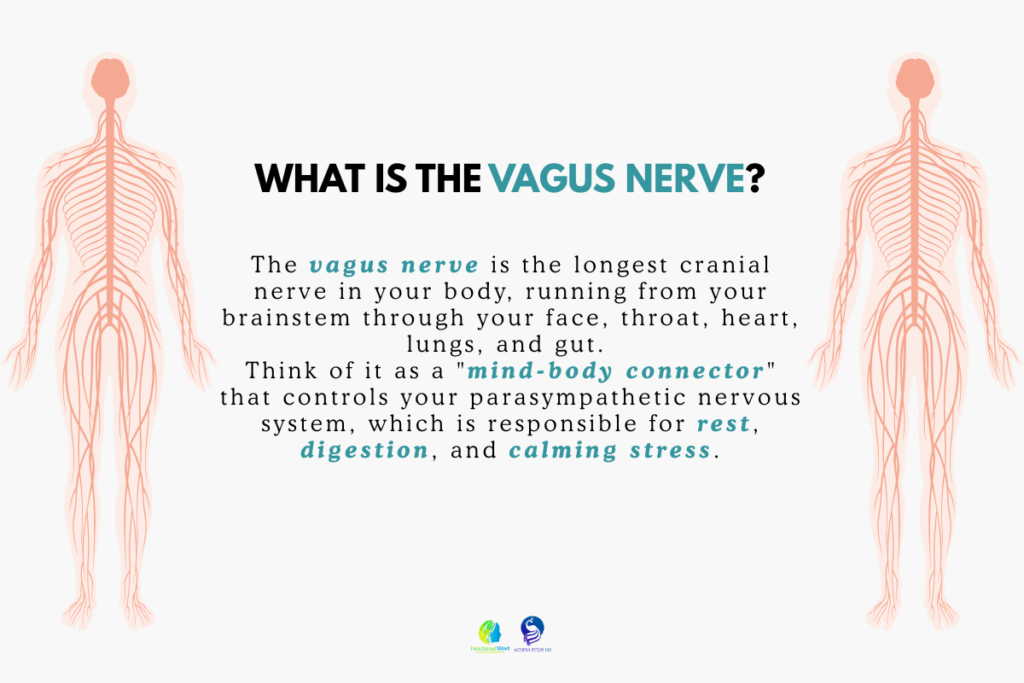
Your brain and gut are intimately connected through the vagus nerve, neurotransmitters like serotonin, and a thriving ecosystem of gut bacteria called the microbiome. This connection is known as the gut-brain axis.
When your gut is in distress—due to inflammation, dysbiosis, or infection—it can directly influence your brain, contributing to changes in mood, focus, memory, and emotional resilience.


IBS May Be the Root Cause of Anxiety and Depression

Some people believe that gut issues are caused by anxiety or depression, but in many cases, it’s the other way around. A dysbiotic gut, disrupted by infection, antibiotics, concussion, or acute stress, can cause changes in the gut microbiome and trigger neuroinflammation, leading to anxiety, brain fog, irritability, and even depression.

  • Over 90% of serotonin—a key mood-stabilizing chemical—is made in the gut.
  • A damaged gut lining or inflamed microbiome can interfere with normal brain chemistry.
  • Chronic gut discomfort can contribute to emotional distress, fueling a vicious cycle.

This powerful relationship shows why mental health can’t be fully treated without addressing gut health first.


What Causes IBS?

There isn’t a one-size-fits-all cause for IBS, which is why conventional medicine often struggles to provide lasting relief. Some of the underlying factors include:

  • Gut-brain axis dysfunction
  • Leaky gut (intestinal permeability)
  • Food sensitivities, especially to FODMAPs
  • Small Intestinal Bacterial Overgrowth (SIBO)
  • Chronic stress or trauma
  • Post-infectious inflammation
  • Gut dysbiosis (microbial imbalance)


The Functional Medicine Approach to IBS

Functional Medicine looks beyond surface symptoms to uncover root causes—whether they stem from the gut, brain, hormones, immune system, or all of the above.


How Dr. Achina Stein at Functional Mind LLC Can Help

Dr. Achina Stein, a board-certified psychiatrist and Functional Medicine practitioner, takes a holistic and personalized approach to treating IBS and its emotional consequences. At Functional Mind LLC, she combines the best of conventional psychiatry and root-cause Functional Medicine to address both gut health and mental wellness.

Comprehensive Testing May Include:
  • Advanced stool testing for pathogens, inflammation, and microbiome health
  • Breath testing for SIBO
  • Food sensitivity panels
  • Micronutrient analysis
  • Cortisol/adrenal hormone testing
  • Optional neurotransmitter evaluation
Tools Used in Functional Medicine to Treat IBS:
  • Targeted nutrition (e.g., low FODMAP, elimination diets)
  • Probiotics, enzymes, and gut-healing supplements
  • Natural antimicrobials (if infections or overgrowths are found)
  • Stress-management techniques, including mind-body therapies
  • Psychotherapy like CBT or EMDR for trauma-related gut issues
  • Lifestyle adjustments to support long-term healing
This root-cause approach empowers patients to rebalance their gut, restore emotional resilience, and regain control over their lives.


How Functional Mind LLC and Dr. Achina Stein Can Help

If you’ve been living with IBS symptoms, fatigue, brain fog, or mood swings—and haven’t gotten answers—know that there is hope. Dr. Achina Stein and the team at Functional Mind LLC specialize in cases where conventional approaches fall short.

We understand that IBS isn’t “just in your head”—and we know how to help you rebuild health from the inside out, by treating both your gut and your brain with care, science, and compassion.

You don’t have to live with bloating, discomfort, or emotional distress. IBS may be the missing link in your mental and physical health journey—and Dr. Achina Stein can help you break the cycle.

📞 Call 401-270-4541 or
📅 Book your FREE 25-minute discovery call now:
👉 https://fxnmind.com/free-consultation-with-achina/
Take the first step to healing your gut, brain, and improving your life.

What Is Autoimmunity? Causes, Mental Health Connections, and the Functional Medicine Approach

Autoimmune diseases are on the rise, affecting millions of people globally. Yet, many still don’t fully understand what autoimmunity is or how deeply it can impact both the body and mind. Even fewer are aware that autoimmunity and mental health are closely connected—and that there’s a holistic way to approach it through Functional Medicine.
We’ll break down what autoimmunity is, how it develops, the mind-body connection, and how a Functional Medicine approach can support true healing.


What Is Autoimmunity?

Autoimmunity occurs when the immune system—our body’s natural defense mechanism—mistakenly attacks its own tissues. Instead of protecting the body from foreign invaders like viruses or bacteria, it identifies parts of the body (like joints, skin, gut lining, or brain tissue) as threats and launches an immune response against them.

Common autoimmune conditions include:
  • Hashimoto’s thyroiditis
  • Rheumatoid arthritis
  • Celiac disease
  • Lupus
  • Multiple sclerosis
  • Psoriasis
  • Type 1 diabetes

Autoimmunity can affect nearly any part of the body, and symptoms can range from fatigue and joint pain to digestive problems, skin rashes, and even neurological issues.


How Do People Develop Autoimmunity?

Autoimmune diseases are complex and don’t have a single cause. However, Functional Medicine recognizes several key triggers and risk factors, including:

  1. Genetics – You may inherit a predisposition, but genes alone don’t determine your fate.
  2. Leaky Gut (Intestinal Permeability) – A compromised gut lining can allow toxins, food particles, and bacteria into the bloodstream, triggering immune responses.
  3. Chronic Infections – Viruses like Epstein-Barr or gut imbalances can contribute to immune dysregulation.
  4. Toxins – Mold, heavy metals, pesticides, and other environmental exposures can overwhelm the immune system.
  5. Poor Diet – Inflammatory foods and nutrient deficiencies feed dysfunction.
  6. Chronic Stress – Long-term stress disrupts hormonal and immune balance.
  7. Sleep Disruption – Inadequate or poor-quality sleep interferes with immune system repair.

Autoimmunity typically arises when multiple triggers interact in someone already genetically susceptible.


The Connection Between Autoimmunity and Mental Health

Many people with autoimmune diseases also experience anxiety, depression, brain fog, or mood swings. This is no coincidence.

Here’s how autoimmunity affects mental health:
  • Chronic Inflammation – Inflammation in the body can extend to the brain, disrupting neurotransmitters like serotonin and dopamine.
  • Gut-Brain Axis – A compromised gut affects brain health through changes in the microbiome and nutrient absorption.
  • Nutrient Deficiencies – Autoimmunity can deplete essential vitamins and minerals needed for mood regulation.
  • Psychological Burden – Living with a chronic illness takes a toll on mental and emotional well-being.

Mental health symptoms are real and biologically rooted—they often reflect what’s happening in the body at a deeper level.


The Functional Medicine Approach to Autoimmunity

Conventional medicine typically offers symptom management through medications that suppress the immune system. But Functional Medicine asks a different question: What’s causing the immune system to malfunction in the first place?

At Functional Mind LLC, Dr. Achina Stein uses a comprehensive Functional Medicine model to uncover the root causes and restore balance—both physically and mentally.

Our root-cause approach includes:
✅ Deep-Dive Testing – We go beyond standard labs to uncover hidden triggers like gut dysbiosis, toxins, or viral reactivation.
✅ Healing the Gut – Restoring the gut lining and microbiome is key to calming the immune response.
✅ Targeted Nutritional Support – We use food as medicine, paired with customized supplements.
✅ Detox Pathway Support – Your liver, kidneys, and lymphatic system need to be working optimally to eliminate toxic load.
✅ Mind-Body Interventions – We integrate stress reduction, emotional release techniques, and neuropsychological support.
✅ Lifestyle Rebalancing – Sleep, movement, mindset, and connection are core to long-term healing.


Why Work With Dr. Achina Stein and Functional Mind LLC?

Dr. Achina Stein is a Board-Certified Psychiatrist and Functional Medicine Practitioner with over 25 years of experience helping individuals uncover the root cause of their chronic symptoms—especially those labeled with “treatment-resistant” mental health conditions.

At Functional Mind LLC, we don’t just chase symptoms. We help you understand why you’re sick and how to reclaim your health—naturally and holistically.

Whether you’re dealing with autoimmune issues, chronic fatigue, anxiety, depression, or brain fog, our personalized programs guide you to real answers and lasting transformation.


Ready to Get to the Root Cause?

If you’ve been told your labs are “normal” but still feel unwell, or if you’re tired of managing symptoms without resolution, it’s time to dig deeper.
📞 Call 401-270-4541 or
📅 Book your FREE 15-minute discovery call here:
👉 https://fxnmind.com/free-consultation-with-achina/

A Functional Medicine Approach to Endometriosis: Healing from the Root

A Functional Medicine Approach to Endometriosis: Healing from the Root


Endometriosis is more than just painful periods. It’s a complex, chronic condition that affects approximately 1 in 10 women, many of whom go undiagnosed for years. If you’ve been told birth control and surgery are your only options, functional medicine offers a different, more empowering path.

At Functional Mind LLC, we focus on uncovering and addressing the root causes of endometriosis—so you can experience lasting relief, hormonal balance, and restored vitality.


🔎 What Is Endometriosis?

Endometriosis occurs when tissue similar to the uterine lining grows outside the uterus—on the ovaries, fallopian tubes, bowel, bladder, or other organs. These tissues respond to monthly hormonal cycles, often causing:

  • Severe menstrual cramps (dysmenorrhea)
  • Painful sex
  • Chronic pelvic or back pain
  • Digestive issues (bloating, IBS-like symptoms)
  • Infertility
  • Fatigue and depression


💊 Why Birth Control Is Not the Answer

Hormonal contraceptives are often prescribed to “manage” endometriosis symptoms. But birth control is a band-aid, not a cure.

While it may temporarily reduce pain or suppress periods, it can also:

  • Mask the progression of disease
  • Disrupt natural hormone cycles
  • Deplete key nutrients (B6, folate, magnesium)
  • Trigger or worsen depression and mood swings

If you’re trying to get pregnant naturally, oral contraceptives may delay that goal. Additionally, studies show hormonal birth control is linked to increased risk of antidepressant use and mood disorders in women.


🧠 Hormonal Imbalance and Depression

Both endometriosis and synthetic hormones can contribute to depression, anxiety, and fatigue. Here’s how:

  • Estrogen dominance affects serotonin and dopamine levels
  • Chronic inflammation increases cytokines linked to low mood
  • Disrupted cortisol rhythms affect energy and emotional stability
  • Hormonal contraceptives blunt natural progesterone, a neuroprotective hormone

Addressing these imbalances from the root can dramatically improve both physical and emotional wellbeing.


💡 Functional Medicine: Root Causes of Endometriosis

We take a systems-based approach, identifying interrelated root causes that contribute to endometriosis:

1. Estrogen Dominance

Caused by impaired detoxification, gut dysbiosis, and exposure to environmental xenoestrogens (plastics, pesticides).

2. Chronic Inflammation

Driven by diet, food sensitivities (gluten, dairy), gut infections, and histamine intolerance. Inflammatory cytokines worsen both pain and mood.

3. Gut Imbalance

The gut microbiome regulates estrogen clearance and immune balance. Leaky gut increases systemic inflammation and neuroinflammation.

4. Detoxification Impairment

Liver methylation, glucuronidation, and sulfation pathways must work efficiently to clear estrogen and toxins.

5. Immune Dysregulation

Endometriosis shares features with autoimmunity—imbalanced immune function allows misplaced tissue to survive and spread.


🔬 Functional Lab Testing for Endometriosis

To uncover the underlying drivers of your symptoms, we may use advanced testing, including:

  • DUTCH test for hormone and cortisol rhythms
  • Estrogen metabolite analysis
  • Stool testing for microbiome, pathogens, and inflammation
  • Food sensitivity testing
  • Liver detox and toxin burden assessment


🌿 Natural Treatment Strategy for Endometriosis

✔ Balance Hormones Naturally

  • DIM, calcium-D-glucarate, Vitex
  • Cruciferous vegetables, flaxseed, liver support nutrients
  • Adrenal support for cortisol balance

✔ Lower Inflammation

  • Anti-inflammatory diet (gluten-free, dairy-free, low sugar)
  • Curcumin, resveratrol, omega-3s, boswellia

✔ Heal the Gut

  • Remove food triggers
  • Reinoculate with probiotics and prebiotics
  • Repair gut lining with glutamine, zinc carnosine, aloe vera

✔ Support Detoxification

  • Support methylation with B12, folate, B6
  • Use saunas, dry brushing, and hydration to promote elimination
  • Avoid plastics, fragrances, and endocrine-disrupting chemicals

✔ Optimize Lifestyle

  • Prioritize restorative sleep
  • Practice stress-reducing techniques like yoga and breathwork
  • Engage in gentle, consistent exercise


🌸 Real Healing Is Possible

You don’t have to live in a cycle of pain, hormones, and helplessness. At Functional Mind LLC, we help women uncover the root causes of endometriosis and restore hormonal, immune, and emotional balance—without relying on birth control or surgery alone.

📅 Schedule a consultation today to begin your journey toward healing from the inside out.


📚 References

  • Burney RO & Giudice LC. Fertility and Sterility. 2012;98(3):511–519.
  • Why Does Functional Medicine Use More Lab Tests Than Traditional Doctors?

Why Does Functional Medicine Use More Lab Tests Than Traditional Doctors?

When visiting a Functional Medicine practitioner, many patients notice one key difference compared to conventional healthcare providers: more lab tests. But why does Functional Medicine rely so heavily on comprehensive testing? The answer lies in its root-cause approach to health.

Rather than simply controlling symptoms, Functional Medicine seeks to identify and address the underlying cause of health issues. This requires an in-depth understanding of how different systems in the body function together. Standard medical tests often only scratch the surface, while Functional Medicine testing provides a comprehensive picture of your health to create personalized treatment plans.


The Functional Medicine Approach to Lab Testing

Functional Medicine practitioners use advanced diagnostic tests to assess multiple aspects of health, including:
✅ Gut Health – Identifying imbalances, leaky gut, bacterial overgrowth, parasites, and food sensitivities.
✅ Hormone Balance – Measuring thyroid function, cortisol levels, sex hormones, and adrenal health.
✅ Inflammation & Immune System – Testing for chronic inflammation markers that may contribute to autoimmune diseases, fatigue, and pain.
✅ Nutrient Deficiencies – Checking levels of essential vitamins, minerals, and antioxidants to optimize health.
✅ Toxin Exposure – Assessing heavy metals, mold toxicity, and environmental toxins that may be affecting overall wellness.

By analyzing these key areas, Functional Medicine practitioners can detect hidden imbalances that might not appear in conventional lab work. This deeper insight allows for a more holistic, customized approach to healing.


Why More Testing Leads to Better Health Outcomes

Unlike traditional medicine, which often focuses on managing symptoms with medication, Functional Medicine aims to restore balance and prevent chronic disease before it starts. Here’s how comprehensive lab testing benefits patients:
🔍 Early Detection of Health Issues – Identifying imbalances before they turn into serious conditions.
🩺 Personalized Treatment Plans – Tailoring recommendations based on your unique biochemistry.
🌿 Natural & Preventative Healing – Addressing root causes with diet, lifestyle changes, and supplements.
💪 Long-Term Health Optimization – Helping you feel your best, rather than just treating symptoms.


Ready to Take Control of Your Health?

If you’ve been struggling with chronic fatigue, brain fog, digestive issues, anxiety, or other unresolved health concerns, Functional Medicine could be the answer you’ve been looking for.
📅 Book a FREE Discovery Call with Dr. Achina Stein at Functional Mind LLC to explore how Functional Medicine can help you regain your health and vitality.
👉 Schedule here
📞 Call us today: 401-270-4541
By taking a deeper look at your health.

  • The 4-7-8 Breathing Technique: A Simple Way to Reduce Stress and Improve Sleep

The 4-7-8 Breathing Technique: A Simple Way to Reduce Stress and Improve Sleep

In today’s fast-paced world, stress and anxiety can feel like constant companions. Whether you’re dealing with workplace pressure, struggling with sleep, or simply feeling overwhelmed, your breath can be a powerful tool to regain control. One of the most effective breathing exercises for relaxation is the 4-7-8 Breathing Technique—a simple yet powerful method that promotes calm, reduces stress, and improves sleep quality.


What is the 4-7-8 Breathing Technique?

The 4-7-8 Breathing Technique was developed by Dr. Andrew Weil, a pioneer in integrative medicine. It is based on pranayama, an ancient yogic breathing practice that helps regulate the body’s stress response. This technique focuses on slowing down the breath and engaging the parasympathetic nervous system, which helps shift the body from a state of stress (fight-or-flight) to relaxation (rest-and-digest).


How to Perform the 4-7-8 Breathing Exercise

Practicing this technique is simple and takes just a minute:
1️⃣ Inhale deeply through your nose for 4 seconds, filling your lungs completely.
2️⃣ Hold your breath for 7 seconds, allowing oxygen to circulate in your body.
3️⃣ Exhale slowly through your mouth for 8 seconds, making a soft “whooshing” sound.
4️⃣ Repeat this cycle four times or until you feel more relaxed.


Health Benefits of the 4-7-8 Breathing Technique

This breathing method works by regulating oxygen and carbon dioxide levels, which has a profound impact on both mental and physical health.

🌿 Mental Health Benefits:

✔️ Reduces stress and anxiety by calming the nervous system
✔️ Enhances focus and mental clarity
✔️ Supports emotional regulation and mindfulness

❤️ Physical Health Benefits:

✔️ Lowers blood pressure and heart rate
✔️ Improves lung function and oxygen circulation
✔️ Supports better digestion and gut health
✔️ Helps you fall asleep faster and sleep deeper


How to Fit 4-7-8 Breathing Into Your Busy Day

Even with a packed schedule, you can easily incorporate this technique into your daily routine. Here’s how:

  • 🚗 In Traffic – Instead of getting frustrated, use red lights as a reminder to practice mindful breathing.
  • 💼 At Work – Take a minute between meetings to reset your mind and improve focus.
  • 😴 Before Bed – Use this method to relax and transition into deep sleep.
  • 🧘 During Meditation or Yoga – Enhance mindfulness and body awareness.


Looking for More Holistic Solutions to Manage Stress & Anxiety?

While breathwork is a great starting point, managing stress and anxiety long-term requires a personalized approach. If you’re looking for natural and functional medicine solutions to improve your mental and physical well-being, Dr. Achina Stein at Functional Mind LLC can help.

📞 Schedule a FREE 15-minute discovery call today!
✅ Call: 401-270-4541
✅ Book Online: https://fxnmind.com/free-consultation-with-achina/

Start your journey to better health with functional medicine and holistic stress management!

Myth vs. Fact: Can Medication Alone Fix Everything?

When faced with health challenges, many people believe that medication alone is the solution. While prescription drugs can help manage symptoms, they don’t address the root cause of most health conditions. In functional medicine, we take a whole-body approach to healing—looking at diet, lifestyle, stress levels, gut health, and more.


The Myth: “Taking Medication Is All I Need to Feel Better”

In conventional medicine, medications are often the first-line treatment for issues like anxiety, depression, gut disorders, chronic pain, and autoimmune diseases. While they may provide temporary relief, they do not resolve the underlying imbalances that cause these symptoms in the first place.


The Truth: Healing Requires a Whole-Body Approach

Medication can be helpful, but true healing happens when you address the root cause of your health issues. This means looking at your nutrition, stress levels, sleep, movement, and gut health.


5 Key Areas for True Healing

✅ Nutrition: The food you eat can either fuel inflammation or promote healing. A nutrient-dense, anti-inflammatory diet supports your body’s ability to repair itself.
✅ Movement: Regular physical activity helps regulate hormones, improve circulation, and boost mental health. Even simple daily movement, like walking or yoga, can make a huge difference.
✅ Stress Management: Chronic stress takes a toll on your health. Practicing mindfulness, deep breathing, or engaging in relaxing activities can help regulate your nervous system.
✅ Sleep Optimization: Poor sleep disrupts your hormones, immune function, and brain health. Prioritizing 7-9 hours of quality sleep each night is essential for healing.
✅ Gut Health: Your gut is the foundation of your immune system and mental health. Eating fiber-rich foods, probiotics, and reducing processed foods can support a healthy gut microbiome.

My Personal Experience: A Mother’s Journey to True Healing

I have personally experienced this firsthand with my own son. Medication alone was not enough—his true healing began when we addressed the root causes of his health struggles. Through functional medicine, we were able to identify and correct imbalances that were contributing to his symptoms. This journey inspired me to help others reclaim their health and wellness.


Final Thoughts

If you’re tired of masking symptoms with medication and want to explore a holistic approach to healing, know that there is hope. By looking beyond prescriptions and addressing the root cause, you can restore balance, regain energy, and truly heal.

You don’t have to settle for symptom management—real healing is possible!

Things Your Brain Needs

Your brain is the command center of your body—it controls your memory, focus, emotions, and energy levels. But with the fast-paced, high-stress lifestyles we live today, brain fog, fatigue, and cognitive decline are becoming more common.

The good news? You have the power to protect and optimize your brain function through simple lifestyle changes! Below are 7 essential habits to support long-term brain health and improve mental clarity naturally.


1️⃣ Eat Brain-Boosting Foods 🥑🥦🐟

Your diet directly impacts your brain function. Healthy fats, antioxidants, and essential nutrients keep your mind sharp, reduce inflammation, and support memory. Here’s what to include:

✔ Omega-3 fatty acids from wild-caught fish, flaxseeds, walnuts, and chia seeds help protect brain cells.
✔ Leafy greens (spinach, kale, arugula) contain vitamins that support cognitive function and slow aging.
✔ Berries (blueberries, strawberries, blackberries) are packed with antioxidants that reduce brain inflammation.
✔ Nuts & seeds provide vitamin E, which helps prevent cognitive decline.
✔ Minimize processed foods, refined sugar, and unhealthy fats to avoid brain fog and mental sluggishness.


2️⃣ Stay Hydrated 💧

Did you know that even 2% dehydration can cause fatigue, brain fog, and difficulty concentrating? Your brain is 75% water, and proper hydration is essential for cognitive function.
💡 Tip: Aim for at least half your body weight in ounces of water daily to keep your brain cells firing optimally!


3️⃣ Prioritize Quality Sleep 😴

Your brain detoxes, repairs, and strengthens memory while you sleep. Lack of rest increases stress hormones, weakens focus, and accelerates cognitive decline.
🔹 Get 7-9 hours of quality sleep to improve problem-solving, emotional balance, and long-term brain health.
🔹 Reduce screen time before bed—blue light disrupts melatonin production and sleep quality.
🔹 Create a bedtime routine with relaxation techniques like deep breathing or meditation.


4️⃣ Move Your Body Daily 🏃‍♀️

Exercise is one of the most powerful tools for brain health! It increases oxygen and blood flow, stimulates neurogenesis (new brain cell growth), and reduces stress hormones.
🏋️‍♂️ What works best?
✔ Cardio workouts (walking, running, cycling) enhance memory and focus.
✔ Strength training improves cognitive function by increasing blood flow to the brain.
✔ Yoga and stretching reduce stress and improve mental clarity.
Even a 30-minute walk can enhance creativity, boost mood, and lower anxiety!


5️⃣ Manage Stress & Reduce Cortisol Levels 🧘‍♂️

Chronic stress can shrink brain cells, impair memory, and increase the risk of depression and anxiety. Managing stress is crucial for long-term mental clarity and emotional resilience.

✔ Practice mindfulness & meditation to rewire the brain for calmness.
✔ Deep breathing exercises lower cortisol and improve focus.
✔ Time in nature helps balance stress hormones and supports mental clarity.
✔ Journaling & gratitude practices enhance emotional well-being.


6️⃣ Keep Learning & Challenge Your Brain 📚

Your brain thrives on challenges! Lifelong learning strengthens neural connections, prevents cognitive decline, and enhances memory.
💡 Engaging in brain-boosting activities:
✔ Read books, listen to podcasts, or take an online course.
✔ Solve puzzles, and crosswords, or play strategy-based games.
✔ Learn a new language or instrument to build new neural pathways.
💡 Studies show that mentally active people reduce their risk of dementia by up to 30%!


7️⃣ Stay Socially Connected 🤝

Humans are wired for connection. Strong social relationships improve brain function, reduce anxiety, and enhance emotional well-being.
✔ Make time for meaningful conversations and quality time with family and friends.
✔ Join a community or group that shares your interests.
✔ Laughter and deep connections increase serotonin and dopamine levels, improving overall happiness and brain health.


Why Investing in Your Brain Health is Essential

Your brain is your greatest asset—prioritizing its health is one of the most impactful things you can do for longevity, focus, and emotional well-being.

Taking small, intentional steps daily—through nutrition, hydration, sleep, exercise, stress management, continuous learning, and social connections—can significantly improve your brain function and overall quality of life.

Habit stacking each of these activities on a daily basis is the key to preventing and even reversing depression and anxiety.

Debunking the Myth: “Mental Illness Has Nothing to Do with Diet”

The idea that mental illness and diet are unrelated is not only outdated but also harmful. Emerging research paints a clear picture: the food we eat plays a significant role in our mental health. Whether it’s improving mood, enhancing cognitive function, or reducing symptoms of anxiety and depression, nutrition is a vital piece of the mental wellness puzzle.
In this blog, we’ll explore the science behind how your diet affects your mind, breaking it down into easy-to-understand points that you can use to nourish both your body and brain.

The Science of Food and Mood

Our brains rely on quality fuel to function effectively. Think of your brain as a high-performance engine that requires the best nutrients to run smoothly. Here’s how diet influences mental health:

1. Nutrient-Dense Foods Fuel Brain Health
Foods rich in vitamins, minerals, and antioxidants help protect your brain from oxidative stress. Key nutrients like B vitamins, magnesium, and zinc are essential for producing neurotransmitters—the chemicals that regulate mood and emotions.
  • Top Foods: Leafy greens (spinach, kale), nuts and seeds (walnuts, flaxseeds), and fruits (blueberries, oranges).
2. Anti-Inflammatory Diets Reduce Depression and Anxiety
Chronic inflammation has been linked to mental health issues like depression. Incorporating anti-inflammatory foods into your diet can help mitigate these effects.
  • Top Foods: Fatty fish (salmon, mackerel), whole grains (quinoa, brown rice), and colorful vegetables (bell peppers, carrots).
  • Remove Ultra-processed and processed foods: Read labels and don’t eat anything that has more than a few ingredients.
3. The Gut-Brain Connection
Your gut is often referred to as your “second brain” for a reason. The gut microbiome communicates with your brain via the vagus nerve and produces neurotransmitters like serotonin, which regulates mood.
  • Top Foods for Gut Health: Probiotics (yogurt, kefir, sauerkraut) and prebiotics (fiber-rich foods like bananas, oats, and asparagus).

4. Mood-Boosting Treats
Even small indulgences can positively impact your mood. For example, dark chocolate is rich in compounds that trigger the release of endorphins and serotonin.
  • Top Mood-Booster: A square of dark chocolate (70% cocoa or higher).
Beyond the Plate: A Holistic Approach to Mental Wellness
While diet is an essential factor, it’s important to view mental health through a holistic lens. Nutrition works best when combined with other pillars of wellness:
  • Exercise: Regular physical activity releases endorphins and reduces stress.
  • Sleep: Quality sleep supports cognitive function and emotional stability.
  • Therapy: Professional guidance can provide tools and insights to manage mental health challenges.
Practical Tips to Get Started
Making dietary changes doesn’t have to be overwhelming. Start small with these easy tips:
  1. Add one serving of vegetables to every meal.
  2. Swap refined carbs for whole grains.
  3. Include a source of omega-3s in your weekly meals.
  4. Experiment with fermented foods like kimchi or kombucha.
  5. Hydrate—your brain functions better when you’re well-hydrated.
The Bottom Line
The myth that diet and mental health are unrelated has been thoroughly debunked. From nutrient-dense foods to anti-inflammatory diets and gut-friendly strategies, what you eat has a profound impact on your mind. While food isn’t a cure-all, it’s a powerful tool that can complement therapy, medication, and lifestyle changes.
Take control of your mental health journey by nourishing your body and brain. Remember, small changes to your diet can lead to big improvements in your well-being.

Could Digestive Issues Be the Root Cause of Your Depression?

When we think of depression, we often look at external stressors or brain chemistry. However, did you know that a root cause of depression could stem from your digestive system? 🧠

Your stomach plays a vital role in your mental health. When stomach acid is too low—a condition called hypochlorhydria—it disrupts digestion and impacts your ability to produce neurotransmitters like serotonin and dopamine, which regulate your mood. Without enough stomach acid, your body can’t break down protein into amino acids, the building blocks needed to create these critical brain chemicals. This can result in anxiety, brain fog, and depression.


What Causes Low Stomach Acid?
Low stomach acid is more common than you might think, and several factors can contribute to it:
  • Chronic stress 🧠 – Stress weakens digestion and stomach acid production.
  • Poor diet 🍔 – Processed, nutrient-poor foods make digestion harder.
  • Aging ⏳ – As we age, stomach acid production naturally decreases.
  • H. pylori infections 🦠 – A common bacterial infection that disrupts stomach function.
  • Overuse of antacids & PPIs 💊 – Medications to reduce acid can actually make the problem worse over time.

Why Is Stomach Acid So Important?
Stomach acid is essential for breaking down food and absorbing nutrients like B12, zinc, and iron—all of which are critical for energy, immunity, and overall well-being. Without sufficient stomach acid:
  • Digestion suffers – Undigested food causes bloating, discomfort, and indigestion.
  • Nutrient deficiencies develop – Low levels of key nutrients weaken your body and brain.
  • Gut imbalances occur – Harmful bacteria can overgrow, leading to issues like SIBO (Small Intestinal Bacterial Overgrowth).
  • Mood disorders arise – Poor digestion affects neurotransmitter production, resulting in fatigue, brain fog, anxiety, and depression.
Stomach acid isn’t just about digestion—it’s about your gut, brain, and immune system working in harmony.
How to Improve Stomach Acid Naturally

The good news is that low stomach acid can be improved with the right approach! Here’s where to start:

Supplements to Support Stomach Acid
  • Betaine HCl with Pepsin – Helps increase stomach acid levels naturally.
  • Digestive enzymes – Support the breakdown of food and nutrient absorption.
  • Apple cider vinegar – Take diluted apple cider vinegar before meals to aid digestion.
    (Note: Always work with a qualified provider before starting supplements.)

Simple Lifestyle Changes
  • Chew your food thoroughly – Digestion begins in your mouth.
  • Eat nutrient-dense meals – Choose whole, unprocessed foods rich in vitamins and minerals.
  • Avoid drinking too much water with meals – This can dilute stomach acid.
  • Manage stress 🧘‍♀️ – Practice deep breathing, mindfulness, or meditation to support your digestive system.
  • Stop late-night eating – Give your body time to rest and digest before sleep.

Addressing low stomach acid is essential to restoring balance to your digestion, gut health, and mood. If you’re struggling with bloating, brain fog, fatigue, or symptoms of anxiety and depression, it may be time to dig deeper and uncover the root cause.

At Functional Mind LLC, we take a whole-body approach to help you heal from the inside out. By identifying and addressing issues like low stomach acid, nutrient deficiencies, and gut imbalances, we can guide you toward better digestion, improved mental clarity, and a more vibrant life.

Schedule a FREE Discovery Call with Dr. Achina Stein to discuss your symptoms and create a personalized plan for healing. 🔗 Book your call HERE  or 📞Call us at: 401-270-4541.

Don’t let low stomach acid hold you back. Start healing today!
1 2 3 4