Understanding Hormonal Imbalances and Mental Health


Hormones are the body’s chemical messengers, responsible for regulating vital functions like mood, energy, sleep, and metabolism. When hormones are in balance, your body and mind thrive. But when imbalances occur, they can disrupt not only your physical health but also your mental well-being.


What Are Hormonal Imbalances?

Hormonal imbalances happen when there’s too much or too little of a hormone in your body. Even minor shifts can lead to significant changes in your mental and physical health. Key hormones involved include:

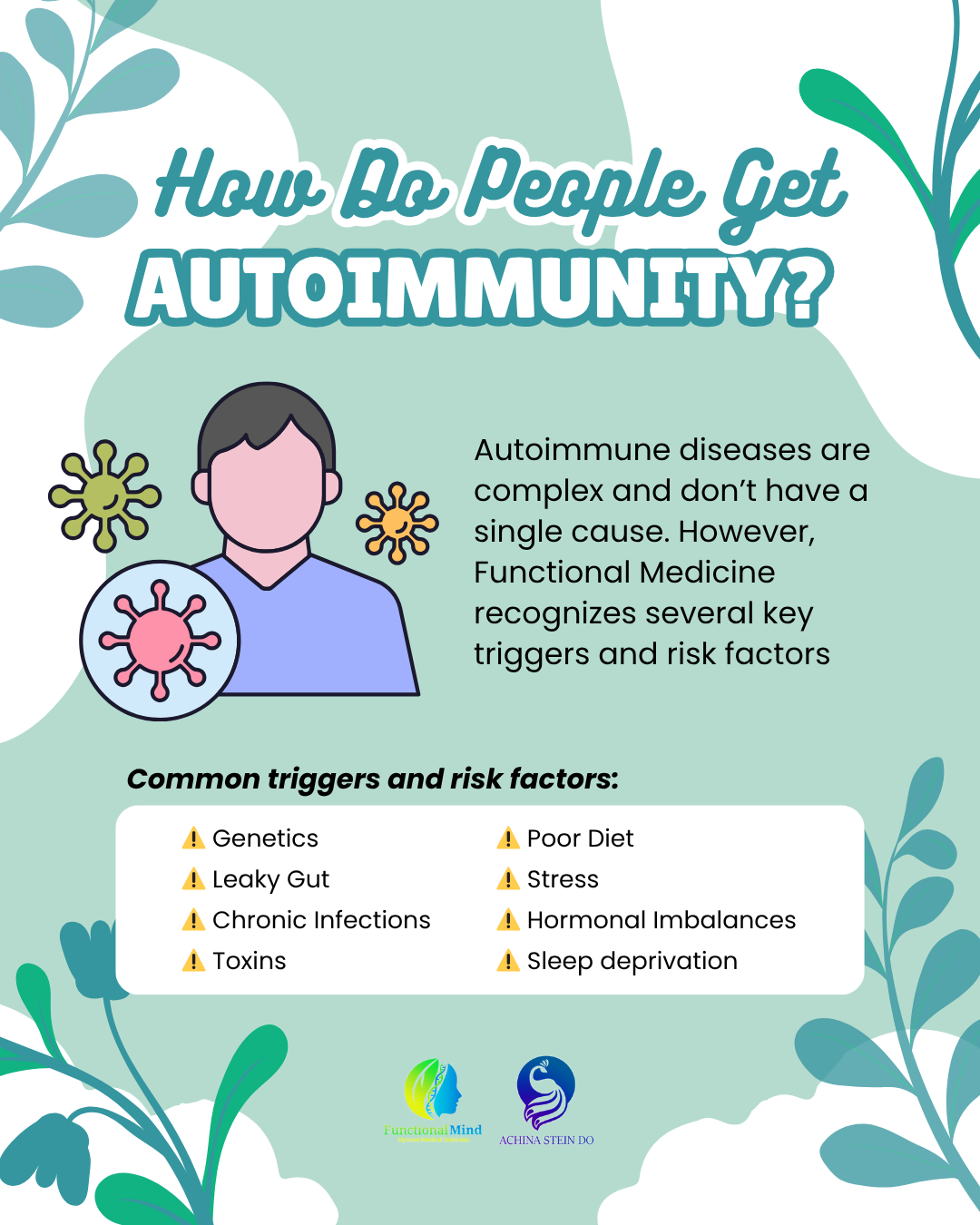
  • Cortisol: Known as the stress hormone, it helps regulate your body’s fight-or-flight response.
  • Thyroid Hormones: These regulate metabolism and energy levels.
  • Estrogen & Progesterone: Crucial for reproductive health, but also affect mood and bone health.
  • Testosterone: Found in both men and women, this hormone supports muscle strength, energy, and mood.


Causes of Hormonal Imbalances

Several factors contribute to hormonal imbalances, including:

  • Chronic Stress: Long-term stress leads to elevated cortisol, disrupting other hormones like thyroid and testosterone.
  • Gut Dysbiosis: An imbalance in gut bacteria affects hormone signaling, serotonin production, and estrogen detoxification, contributing to mood swings and depression.
  • Poor Diet: Nutrient deficiencies or excessive sugar intake impair hormone production.
  • Toxins: Exposure to chemicals in plastics and personal care products can mimic or block hormones.
  • Sleep Deprivation: Lack of quality sleep affects cortisol, testosterone, and growth hormone regulation.


How Hormonal Imbalances Impact Mental Health

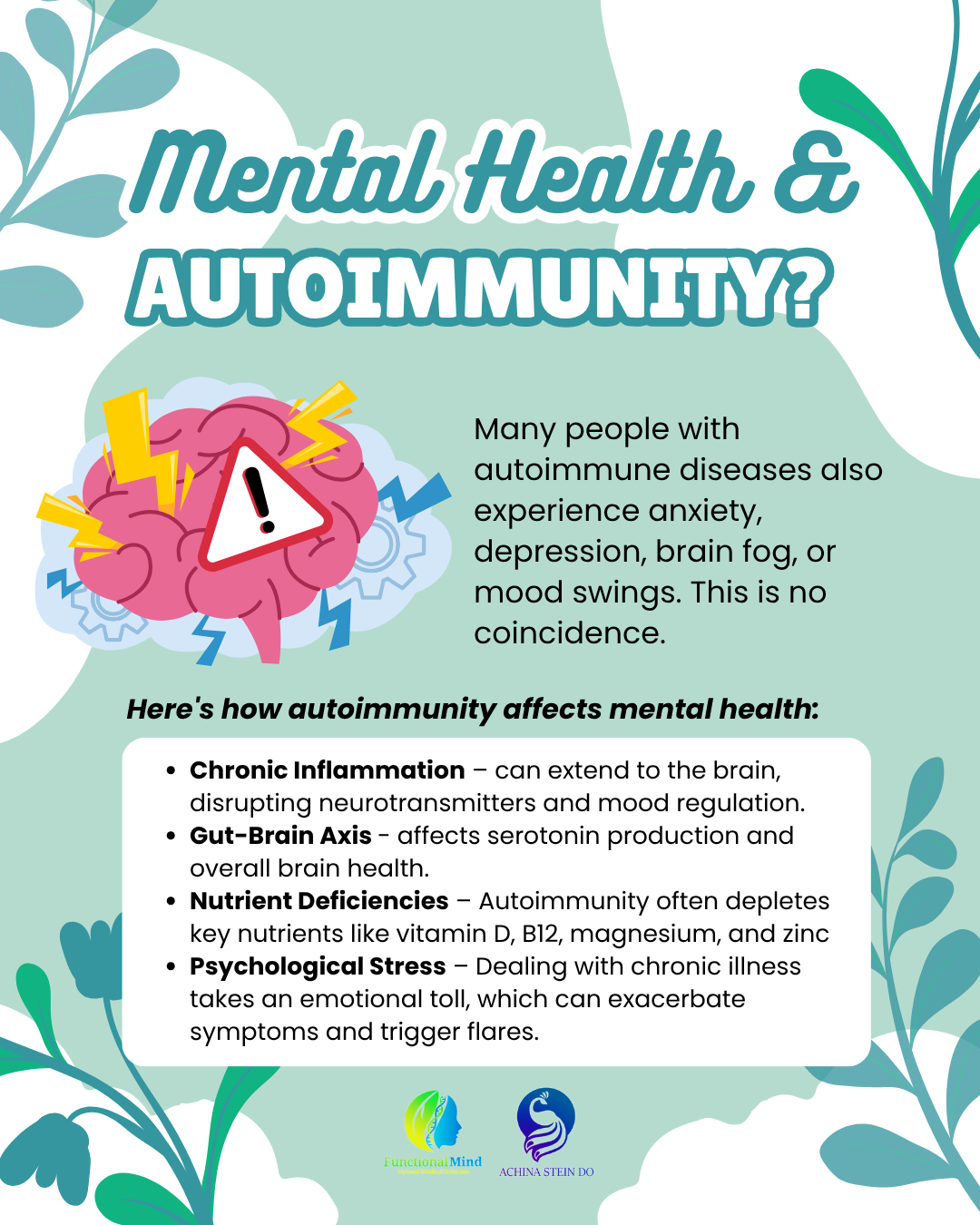
Hormonal imbalances can cause or worsen mental health challenges:

  • Low Testosterone: Associated with fatigue, low motivation, and poor focus.
  • High Cortisol: Triggers anxiety, irritability, and brain fog.
  • Thyroid Imbalances: Hypothyroidism can lead to depression, while hyperthyroidism may cause anxiety.
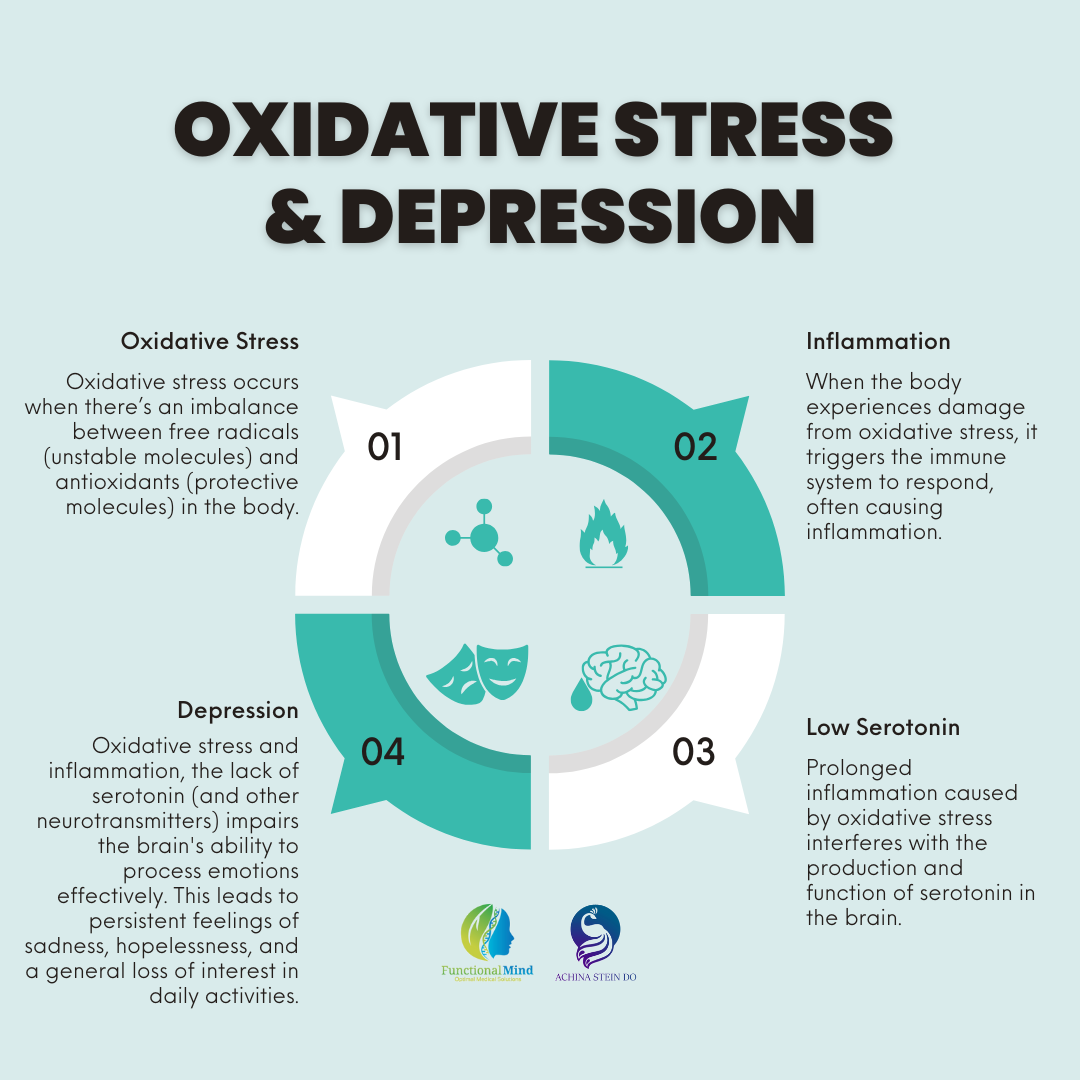
  • Gut Dysbiosis: Affects serotonin levels and increases inflammation, both of which are linked to depression and anxiety.

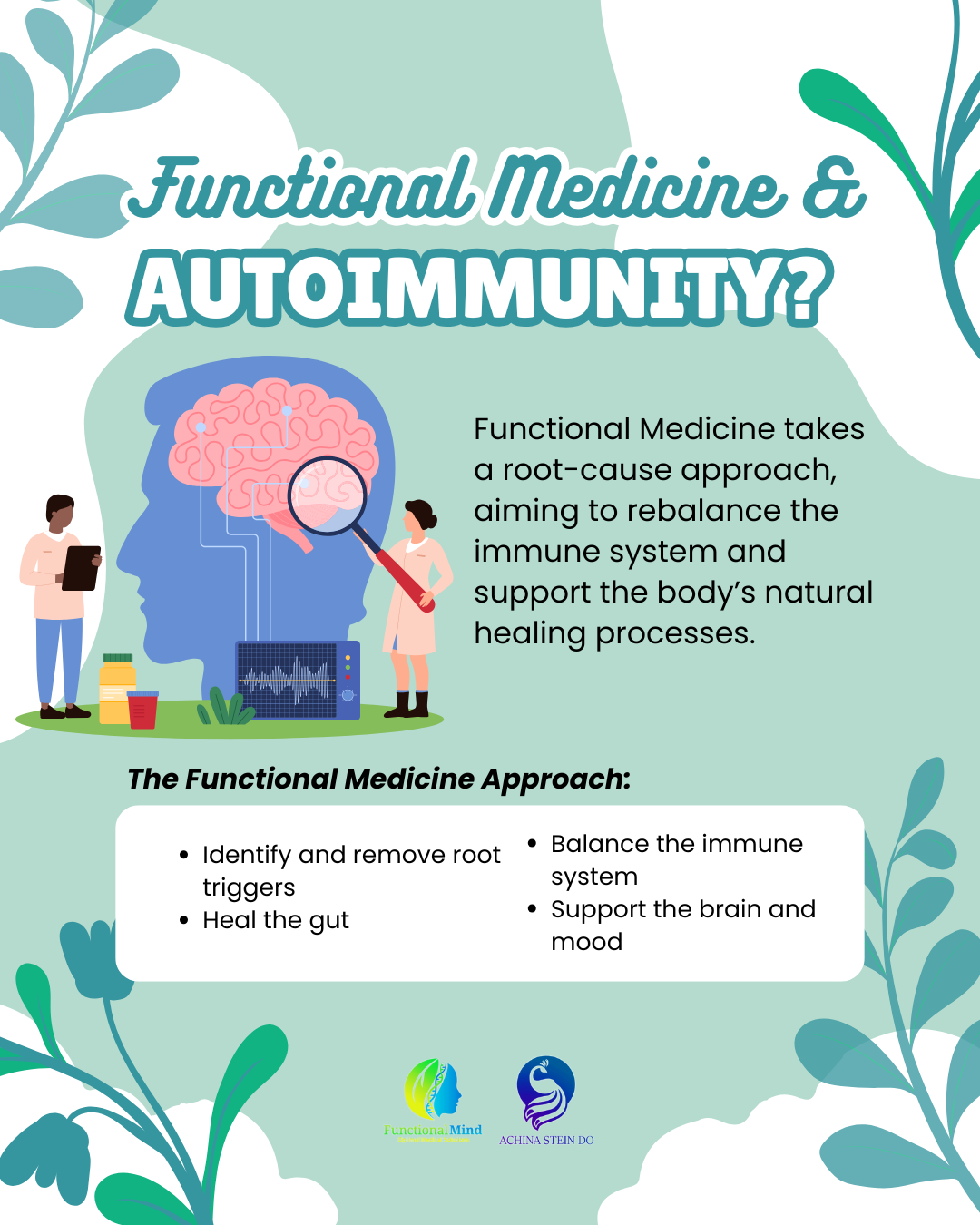
At Functional Mind LLC, we specialize in uncovering the root causes of hormonal imbalances and their effects on mental health. Dr. Achina Stein, a Functional Medicine expert, uses advanced testing and a holistic approach to create personalized treatment plans.

With our support, you can:

  • Balance your hormones naturally.
  • Improve gut health and reduce inflammation.
  • Regain energy, focus, and emotional stability.

You don’t have to live with the effects of hormonal imbalances. At Functional Mind LLC, we empower you to restore balance and feel your best.

📞 Call us today at (401) 270-4541 or schedule a discovery call with Dr. Achina Stein HERE. Let’s work together to uncover the root causes of your challenges and create a path to l

asting health and wellness.

Micronutrient Deficiency and Depression: The Missing Link to Mental Health

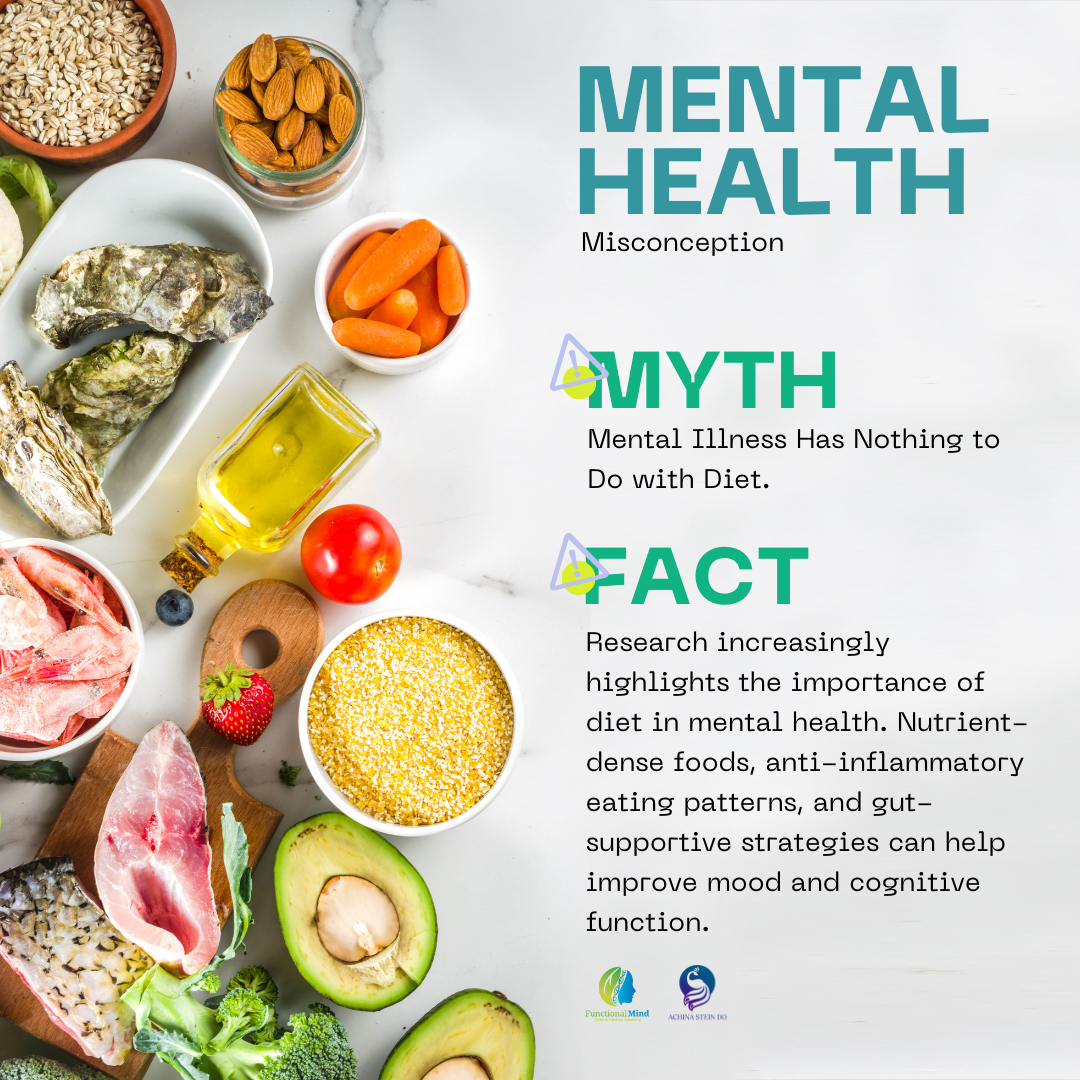
When we think about mental health, nutrition isn’t always the first thing that comes to mind. However, the connection between what we eat and how we feel is undeniable. Micronutrient deficiency—a lack of essential vitamins and minerals in the diet—can profoundly affect brain function, mood, and emotional well-being. Understanding this connection is crucial to addressing the root causes of depression and supporting mental resilience.

What Are Micronutrients?

Micronutrients are vitamins and minerals that our bodies need in small amounts but are essential for nearly every process in the body, including brain health. Unlike macronutrients (proteins, fats, and carbohydrates), which provide energy, micronutrients act as co-factors that regulate cellular function, neurotransmitter production, and hormone balance.

When these vital nutrients are missing, the brain can struggle to perform its tasks efficiently, leading to mood disorders and symptoms of depression.


Key Micronutrients and Their Role in Mental Health

  1. B Vitamins (B6, B9, B12): Mood Boosters
    • B vitamins play a critical role in the production of neurotransmitters like serotonin and dopamine, which are vital for regulating mood, energy, and focus. A deficiency in B vitamins can lead to fatigue, irritability, and depressive symptoms.
    • Where to Find Them: Leafy greens, eggs, poultry, whole grains, and fortified cereals.
  2. Magnesium: The Relaxation Mineral
    • Known as nature’s “relaxation mineral,” magnesium helps manage the body’s response to stress by regulating cortisol levels and calming the nervous system. Low magnesium levels are linked to anxiety, insomnia, and depression.
    • Where to Find It: Nuts, seeds, dark chocolate, legumes, and leafy green vegetables.
  3. Zinc: Brain Support for Emotional Stability
    • Zinc is crucial for cognitive function and emotional regulation. A lack of zinc can lead to difficulty concentrating, mood swings, and symptoms of depression.
    • Where to Find It: Lean meats, shellfish, legumes, nuts, and dairy products.
  4. Vitamin D: The Sunshine Vitamin
    • Vitamin D is essential for brain health, and deficiencies are strongly correlated with seasonal affective disorder (SAD) and depressive symptoms. This is especially common in areas with limited sunlight exposure.
    • Where to Find It: Sun exposure, fortified foods, fatty fish like salmon, and egg yolks.


How Micronutrient Deficiency Leads to Depression

Micronutrients are vital for neurotransmitter synthesis, the chemical messengers in your brain that influence mood. Without these nutrients, the brain can’t produce enough serotonin, dopamine, or GABA, which are critical for regulating emotions and maintaining a sense of well-being.

Additionally, nutrient deficiencies can lead to increased oxidative stress, inflammation, and imbalances in the gut microbiome—all factors that are now known to contribute to depression.

Addressing Micronutrient Deficiency

The good news is that micronutrient deficiencies can often be corrected through dietary changes, supplements (when necessary), and mindful lifestyle habits.


Tips for Supporting Mental Health Through Nutrition:

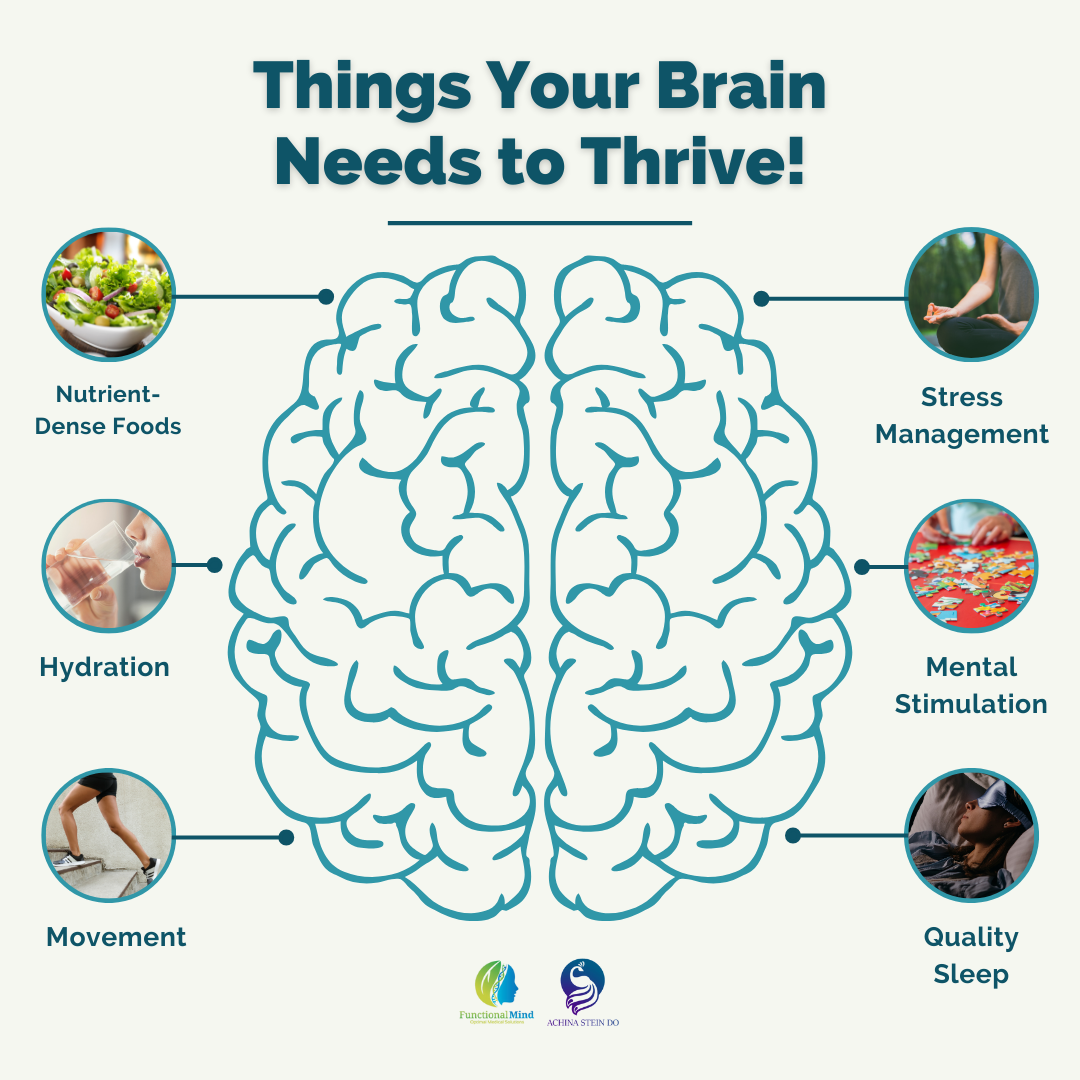
Focus on Whole Foods: Incorporate a variety of fruits, vegetables, lean proteins, whole grains, and healthy fats into your diet.
Get Your Sunshine: Aim for 10–30 minutes of sun exposure daily or consider a Vitamin D supplement during darker months.
Include Brain-Boosting Foods: Add magnesium-rich nuts and zinc-packed legumes to your meals for an extra mental health boost.
Consult a Professional: If you suspect a deficiency, work with a healthcare provider to identify gaps and create a personalized plan.

Micronutrient deficiency is an often overlooked factor in mental health, yet it can play a significant role in the development and management of depression. By focusing on nutrient-dense foods and addressing potential deficiencies, we can support both physical and emotional well-being.

If you’re struggling with symptoms of depression and want to explore holistic approaches to mental health, the team at Functional Mind LLC is here to help. Visit us to learn more about how nutrition, lifestyle, and functional medicine can unlock a path to better mental health. Book your discovery call with Dr. Achina Stein HERE.

Could Mold Be Mimicking Depression?

Many symptoms caused by mold exposure overlap with depression or other mental health disorders. Understanding the signs can help you determine whether mold could be the hidden culprit behind how you’re feeling.

Common Signs of Mold Illness:

  • Unexplained Fatigue
    • Even after a full night’s sleep, you feel utterly exhausted and can’t seem to shake the feeling of low energy. Chronic fatigue caused by mold doesn’t improve with rest.
  • Brain Fog
    • Struggling to concentrate, think clearly, or recall information? Mold toxins can directly affect brain function, creating a persistent mental haze.
  • Muscle and Joint Pain
    • Mold exposure can trigger systemic inflammation, causing aches, stiffness, or pain in your muscles and joints that have no clear cause.
  • Chronic Sinus Problems
    • Are you constantly dealing with sinus congestion, headaches, or respiratory irritation? Mold exposure often manifests as persistent sinus issues that go beyond typical allergies.
  •  Sensitivity to Light and Sound
    • If bright lights or loud sounds suddenly feel overwhelming, it could be a sign that mold toxins are impacting your neurological system.
  • Mood Swings and Anxiety
    • Mold illness can cause sudden emotional shifts, anxiety, or irritability due to its effects on the brain and neurotransmitter function.
  • Symptoms Vary by Location
    • Do you notice your symptoms worsen in specific areas, like your home or workplace, but improve when you’re elsewhere? This pattern can be a strong indicator of mold in your environment.

How Mold Impacts Mental Health

Mold exposure releases toxins called mycotoxins, which can disrupt your immune system and cause widespread inflammation. These toxins can cross into your bloodstream and impact various systems in your body, including the brain. This creates a ripple effect, leading to physical symptoms that feel like depression but have a different root cause.

Don’t Undermine the Effects of Mold

If you suspect mold could be at the root of your health challenges, you’re not alone. Many people live with mold illness for years without knowing its true cause. At Functional Mind LLC, we don’t just treat symptoms—we work to uncover the real source of your struggles.

Dr. Achina Stein and our team specialize in identifying environmental factors like mold that could be contributing to your depression-like symptoms. With a personalized approach, we can guide you toward the answers and solutions you need to restore your health and vitality.

Mold illness can have a significant impact on your well-being, but it doesn’t have to control your life. If this sounds familiar, contact us at Functional Mind LLC. We’ll help you find the answers you need to reclaim your health. To learn more schedule a discovery call with Dr. Achina Stein HERE.

How Gut Pathogens Impact Mental Health?


When we think about depression, we often focus on the brain — but did you know your gut might play a significant role in your mental health? The gut-brain connection is a fascinating and critical aspect of how our bodies function, and when harmful gut pathogens take over, they can trigger inflammation that disrupts mood-regulating brain chemicals. This imbalance may contribute to feelings of sadness, brain fog, anxiety, and even depression.

If you’ve been struggling with these symptoms and can’t find relief, it might be time to consider what’s happening in your gut.


The Gut-Brain Axis: A Two-Way Street

The gut and brain are constantly in communication through the gut-brain axis, a pathway that connects them via the vagus nerve. Think of this as a superhighway for signals, where information travels both ways. When everything is functioning well, this communication helps maintain mental clarity, stable moods, and overall well-being.

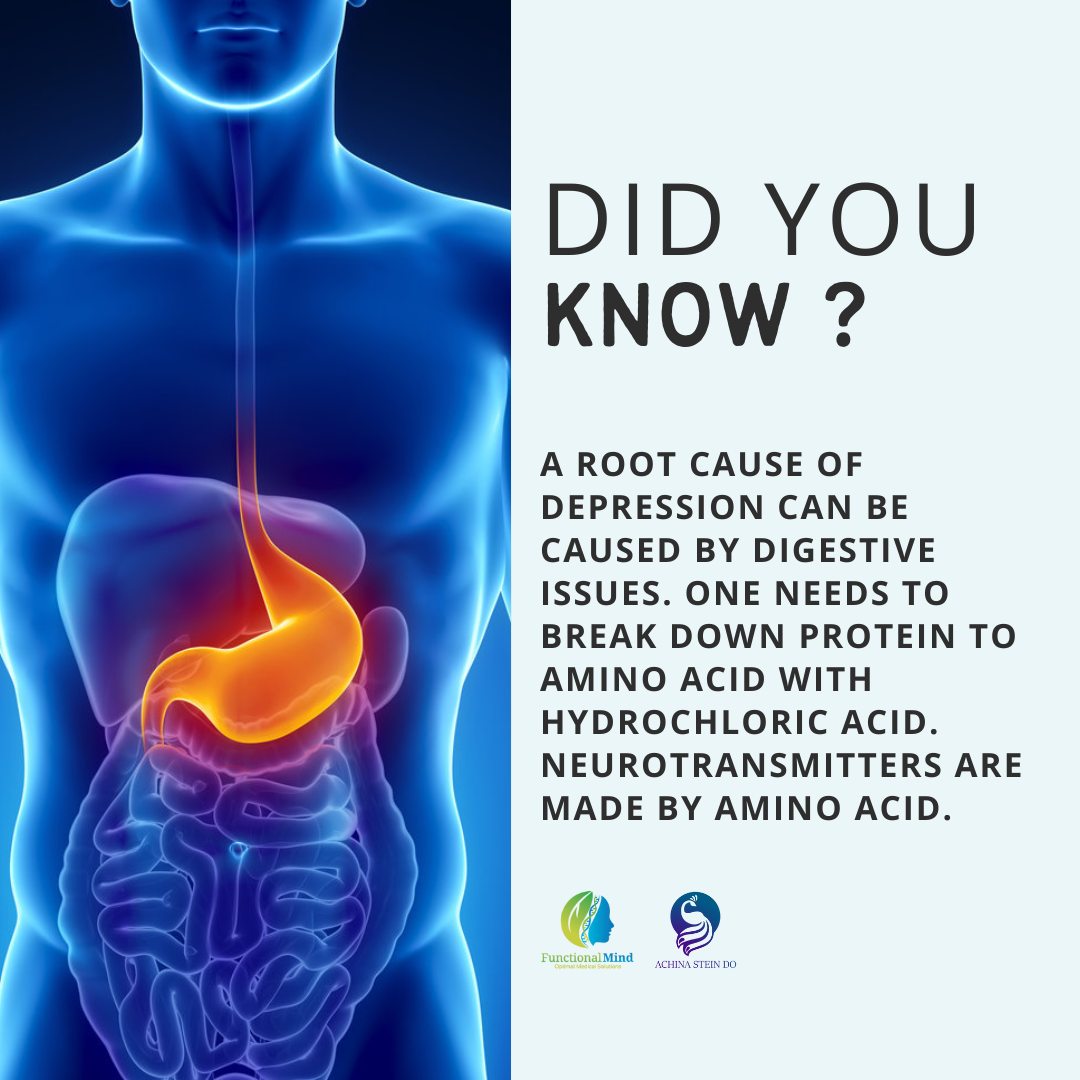
However, when harmful pathogens like E. coliH. pylori, or yeast overtake the gut, they send inflammatory signals to the brain, disrupting this communication. This inflammation can interfere with the production of vital neurotransmitters like serotonin and dopamine. In fact, over 90% of serotonin — the “feel-good” hormone — is produced in the gut!

Disruptions in this delicate system can cause symptoms often associated with depression, including:
  • Chronic fatigue
  • Brain fog
  • Mood swings
  • Anxiety and sadness

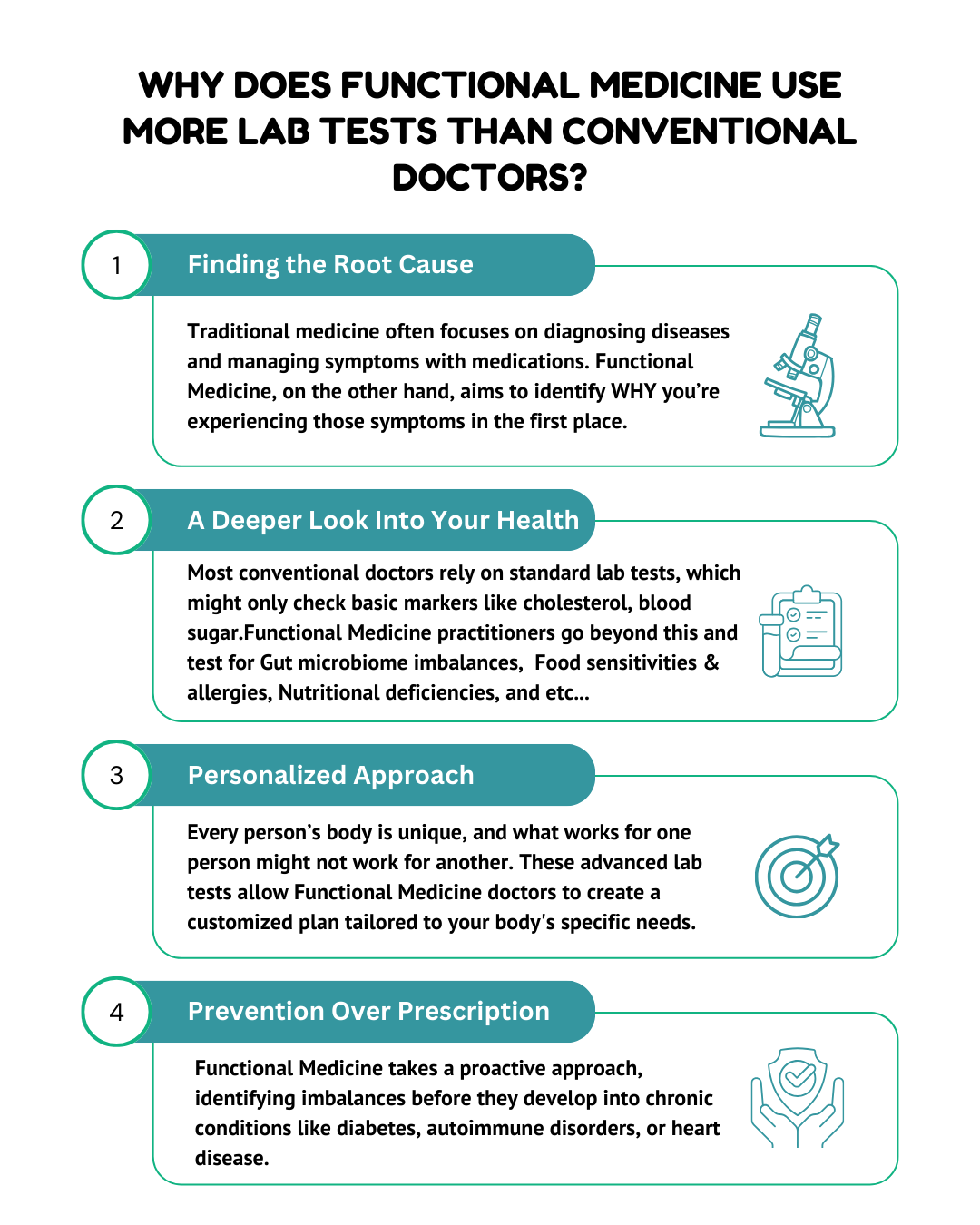
Why It’s Important to Find the Root Cause of Your Depression

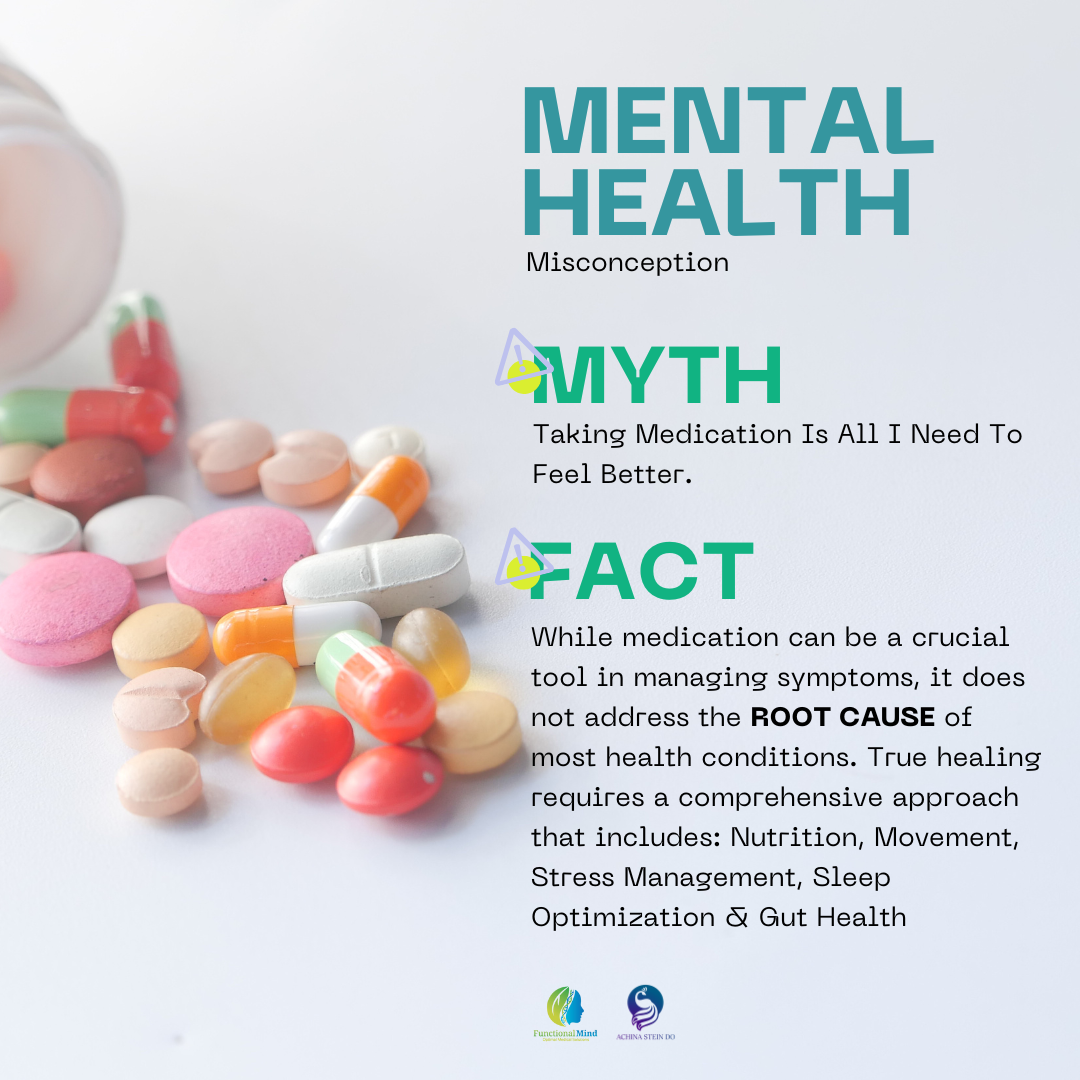
Many approaches to depression focus on treating symptoms, often with medications aimed at rebalancing brain chemicals. While these treatments can be helpful, they may not address the root causes of depression.

Factors like gut health, nutritional deficiencies, hormonal imbalances, and inflammation can all play a role in mental health. By understanding and addressing these underlying issues, you can treat depression at its source and achieve lasting wellness.

This is where a functional medicine approach comes in. At Functional Mind LLC, Dr. Achina Stein helps patients uncover the root causes of their depression, including potential gut-related issues, and creates personalized, holistic treatment plans.

If you’ve been feeling down, experiencing brain fog, or dealing with unexplained fatigue, it could be more than “just depression.” It might be time to explore the connection between your gut health and mental health.

At Functional Mind LLC, Dr. Achina Stein offers a functional medicine approach to uncovering and addressing the underlying causes of your symptoms. Through testing, diet modifications, and lifestyle changes, you can get to the root of your depression and take control of your well-being.
Don’t settle for temporary relief when you can aim for true recovery. Visit us at Functional Mind LLC to learn more about the gut-brain connection and how addressing your gut health can transform your mental health.
Contact us or schedule your discovery call with Dr. Achina HERE. Your mental health starts in your gut — let’s heal it together!

A lightbulb moment

When I began shadowing Ed Levitan MD in 2012 at Visions Healthcare, two things happened: first, a whole world of knowledge of patient care opened up to me. Second, this very same world significantly improved my son’s health, something that had been a struggle for a couple years. Little did I know that this knowledge would significantly impact my own health, which in turn allowed me to have the ability to help others.

It was a light bulb moment but on a lighthouse scale. My work at Visions Healthcare and training at the Institute of Functional Medicine provided me more tools to assess, diagnose and treat patients with chronic medical and psychiatric problems. It’s difficult to explain sometimes the depth and breadth of what we do as clinicians in this field.

Read more
1 2 3 4