Histamine Intolerance: Symptoms, Root Causes, and Natural Healing
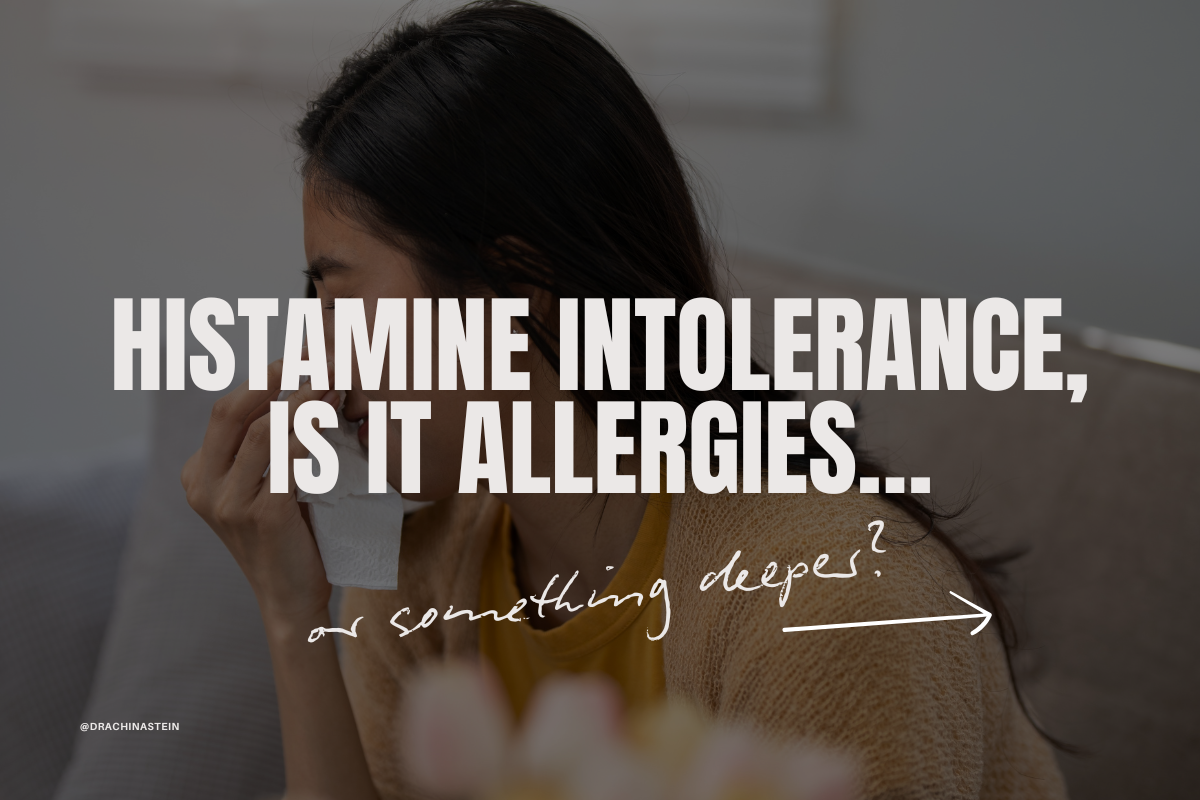
Histamine Intolerance: When “Random Symptoms” Aren’t Random
Many people experience symptoms that seem unpredictable—headaches, anxiety, skin reactions, or digestive issues—and are often told everything looks “normal.”
But what if these symptoms aren’t random at all?
One often overlooked explanation is histamine intolerance, a condition that reflects a deeper imbalance in how the body processes and clears histamine.
What is Histamine Intolerance?
Histamine is a natural chemical involved in immune response, digestion, and brain signaling. It plays an important role in keeping the body functioning properly.
However, problems arise when histamine builds up faster than the body can break it down.
This is what we refer to as histamine intolerance—not a true allergy, but a dysregulation issue.
Instead of reacting to a specific trigger, the body becomes overwhelmed by total histamine load.
Common Symptoms of Histamine Intolerance
Histamine overload can affect multiple systems in the body, which is why symptoms often feel unrelated:
Brain & Mood
- Anxiety or panic-like feelings
- Irritability
- Brain fog
- Sleep disturbances
Physical Symptoms
- Headaches or migraines
- Skin flushing, rashes, or hives
- Heart palpitations
- Fatigue
Digestive Symptoms
- Bloating
- Diarrhea
- Nausea
- Food sensitivities
Because symptoms can fluctuate daily, histamine intolerance is often misdiagnosed or overlooked.
What Causes Histamine Intolerance?
The issue is usually not histamine itself, but the body’s ability to break it down effectively.
A key enzyme called diamine oxidase (DAO) is responsible for clearing histamine, especially in the gut.
When DAO activity is reduced, histamine begins to accumulate.
Common Root Causes Include:
- Gut inflammation or dysbiosis
- Increased intestinal permeability (“leaky gut”)
- Chronic stress and nervous system dysregulation
- Nutrient deficiencies (vitamin B6, copper, vitamin C)
- Hormonal imbalances
- Environmental exposures
This is why histamine intolerance is often a whole-body issue, not just a food sensitivity.
The Gut-Brain Connection
Histamine doesn’t just affect the body—it also impacts the brain.
As a neurotransmitter, histamine influences alertness, mood, and the stress response.
When levels are too high, it can overstimulate the nervous system, leading to:
- Anxiety
- Insomnia
- Mood instability
This is one reason histamine-related issues are often mistaken for primary mental health conditions.
Food Triggers and Histamine Load
Certain foods are naturally higher in histamine or can trigger its release:
- Fermented foods (kimchi, sauerkraut, kombucha)
- Aged cheeses
- Alcohol
- Processed or cured meats
- Vinegar-based foods
- Leftovers (histamine increases over time)
However, it’s important to understand that food is only part of the picture—the body’s ability to process histamine matters more.
A Functional Medicine Approach to Healing
At Functional Mind, we approach histamine intolerance through a root-cause lens.
Rather than simply avoiding foods, we focus on restoring the body’s ability to regulate histamine.
Support Strategies Include:
- Improving gut health and microbiome balance
- Reducing systemic inflammation
- Supporting DAO enzyme activity
- Addressing nutrient deficiencies
- Regulating stress and nervous system function
- Identifying and reducing triggers
Histamine intolerance is not random. It is often a signal that the body is overwhelmed and struggling to maintain balance.
True healing doesn’t come from suppressing symptoms; it comes from understanding and addressing the underlying causes.
Your body is not working against you. It is adapting, protecting, and communicating.
When given the right support, it has the capacity to reset and heal.