Omega-3 Benefits for Brain Health, Heart Health & Hormone Balance


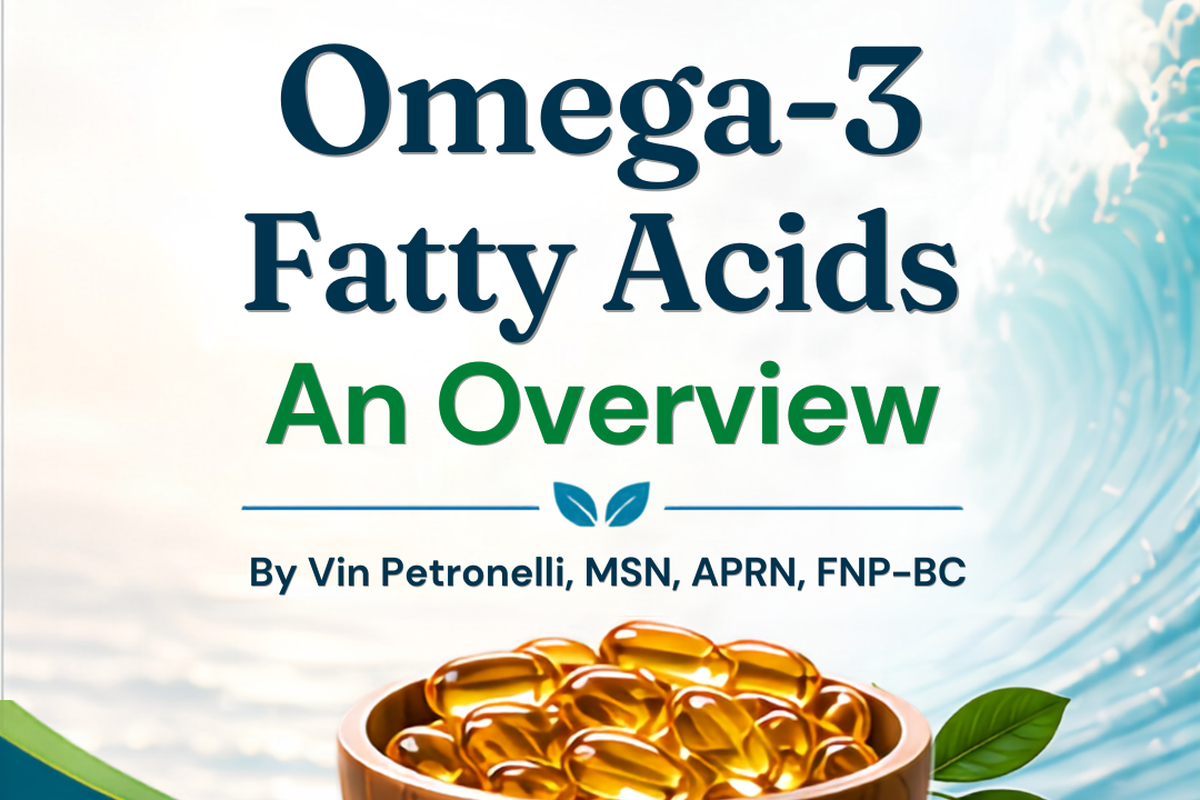
One of the most common things I talk about with patients at Functional Mind isn’t a trendy supplement or the latest biohack, but rather it’s something much more foundational: omega-3 fatty acids.

Omega-3s remain one of the most well-researched and consistently beneficial nutrients we have. And yet, many people are still either deficient or not optimizing their intake.

There is evidence that omega-3 deficiency is associated with increased risk for all-cause mortality- the risk of dying from any cause (https://pubmed.ncbi.nlm.nih.gov/28511049/; https://www.nature.com/articles/s41467-021-22370-2). Research consistently shows that individuals with optimal omega-3 blood levels have a significantly lower risk of death from all causes, including heart disease, cancer, and neurodegenerative conditions. This is where testing can be incredibly helpful. Instead of guessing, we can measure something called the Omega-3 Index and tailor recommendations based on your individual biology.

Let’s break down why these essential fats matter so much.

First, omega-3s play a major role in hormone balance. Every hormone in your body communicates through cell membranes, and those membranes are built from fats or fatty acids. When omega-3 levels are adequate, those membranes become more responsive, improving hormone signaling. This is especially important for the balance of hormones such as testosterone, estrogen, and progesterone. I often explain to patients that their body will generally prioritize survival hormones like cortisol and insulin over reproductive hormones. If stress and blood sugar are out of balance, everything downstream suffers. Omega-3s help regulate this by reducing inflammation, providing a healthy source of fatty acids, which can make a noticeable difference in how you feel.

Another major benefit is inflammation control. Chronic, low-grade inflammation is at the root of many conditions we see daily. Omega-3s, particularly EPA, help shift the body away from a pro-inflammatory state by reducing inflammatory cytokines and supporting anti-inflammatory pathways. They don’t work in isolation, but when combined with lifestyle and other targeted interventions, they can be a powerful tool.

Omega-3s are also well known for their role in heart health. They can significantly lower triglycerides, modestly improve HDL cholesterol, and support the health of blood vessels. From a neurological standpoint, omega-3s, especially DHA, are critical for brain health. DHA is literally a structural component of the brain and retina. Adequate levels support memory, focus, and mood, and may reduce symptoms of anxiety and depression as well as reduce risk for neurodegenerative conditions such as Alzheimer’s disease or dementia.

So where should you get them?

The best dietary sources are fatty fish like salmon, sardines, mackerel, and anchovies—ideally wild-caught when possible. Plant-based options like flaxseeds, chia seeds, and walnuts can contribute as well.. For many people, supplementation becomes a practical and effective option. I typically recommend a high-quality, third-party tested fish oil or algae-based supplement, with dosing tailored to the individual. Typically, we may recommend 1,000–2,000 mg of combined EPA and DHA per day, depending on your goals and testing.

There are a few important considerations. Omega-3s can interact with blood thinners and should be used cautiously before surgery or in individuals with bleeding disorders. And just as important as increasing omega-3 intake is reducing excess omega-6 oils. Processed foods with industrial seed oils may counteract the benefits of omega3.

At Functional Mind, our approach is always personalized. We don’t just recommend supplements—we look at testing, lifestyle, nutrition, and your unique goals to create a plan that actually moves the needle.

Omega-3 is a foundational piece of how your body functions. And when you get them right, a lot of other things tend to fall into place.

If anything I’ve said here resonates with you and you’re ready to jump in, book a free Discovery Call with me, Vin Petronelli, FNP-BC at our website, Functional Mind LLC, here: https://fxnmind.com/book-your-free-discover-call-with-vincent-petronelli/

PANS and PANDAS: Symptoms, Causes, Mental Health Connection & Treatment Approaches

PANS and PANDAS: When Sudden Mental Health Symptoms May Have an Underlying Medical Cause

What if sudden anxiety, OCD behaviors, panic attacks, rage, or tics are not simply “behavioral problems,” but signs of an underlying medical condition affecting the brain and immune system?

PANS and PANDAS are increasingly recognized conditions that may help explain sudden and dramatic changes in mood, behavior, and cognitive function in some children and adolescents. These conditions highlight the strong connection between the immune system, inflammation, infections, and mental health.

At Functional Mind LLC, we believe it is important to explore both psychological and biological factors when evaluating mental health symptoms.


What Are PANS and PANDAS?


What Is PANS?

PANS stands for Pediatric Acute-onset Neuropsychiatric Syndrome. PANS is a condition characterized by the sudden onset of neuropsychiatric symptoms, including anxiety, obsessive-compulsive behaviors, mood changes, and cognitive difficulties. Symptoms often appear abruptly and may significantly disrupt daily life.

PANS can be triggered by multiple factors, including:

  •  Viral infections
  •  Bacterial infections
  •  Mold exposure
  •  Immune dysfunction
  •  Chronic inflammation
  •  Environmental triggers


What Is PANDAS?

PANDAS stands for Pediatric Autoimmune Neuropsychiatric Disorders Associated with Streptococcal infections. PANDAS is considered a subtype of PANS specifically associated with streptococcal (strep) infections.

Researchers believe that after a strep infection, the immune system may mistakenly target parts of the brain involved in behavior, movement, and emotional regulation.

The Difference Between PANS/PANDAS and Other Mental Health Disorders

One of the most important differences between PANS, PANDAS, and traditional psychiatric disorders is the speed of symptom onset. Many mental health conditions develop gradually over time. In contrast, PANS and PANDAS symptoms often appear suddenly, sometimes within days or even overnight.

Children may experience:

  •  Sudden anxiety
  •  New OCD behaviors
  •  Emotional outbursts
  •  Panic attacks
  •  Tics
  •  Sleep disturbances
  •  Rapid personality changes
  •  Decline in school performance

Because these symptoms may resemble ADHD, OCD, anxiety disorders, bipolar disorder, or depression, PANS and PANDAS are sometimes misunderstood or misdiagnosed.


Common Symptoms of PANS and PANDAS


Symptoms can vary widely, but common signs include:

Emotional and Behavioral Symptoms

  •  Severe anxiety
  •  Panic attacks
  •  Sudden OCD symptoms
  •  Irritability
  •  Rage episodes
  •  Depression
  •  Emotional instability

Cognitive Symptoms

  •  Brain fog
  •  Difficulty concentrating
  •  Memory issues
  •  Reduced academic performance

Physical Symptoms

  •  Tics or unusual movements
  •  Sleep problems
  •  Sensory sensitivities
  •  Appetite changes
  •  Frequent urination

The sudden onset of these symptoms is one of the key warning signs of PANS and PANDAS.


What Causes PANS and PANDAS?

Although research is ongoing, scientists believe inflammation and immune dysfunction may play a significant role.
Infections or environmental triggers may activate the immune system in a way that affects the brain and nervous system. Certain areas of the brain, including the basal ganglia, may become inflamed, contributing to emotional and behavioral changes.
Possible triggers include:

  •  Streptococcal infections
  •  Viral infections
  •  Lyme disease
  •  Mold exposure
  •  Chronic inflammation
  •  Immune system dysregulation

This growing area of research continues to support the idea that mental health and physical health are deeply connected.


The Mental Health and Brain Inflammation Connection

PANS and PANDAS demonstrate how inflammation may influence:

  •  Mood
  •  Anxiety levels
  •  Sleep
  •  Focus
  •  Emotional regulation
  •  Cognitive performance

This is why some symptoms that appear purely psychiatric may also involve biological or inflammatory processes.

Understanding the connection between the brain, immune system, gut health, and nervous system may help families pursue more comprehensive evaluations and personalized care.


Functional Medicine and Integrative Support for PANS and PANDAS

A functional and integrative approach focuses on identifying potential underlying contributors to symptoms while supporting overall brain and body health.

Potential areas of evaluation may include:

  •  Infection testing
  •  Immune system support
  •  Reducing inflammation
  •  Gut health optimization
  •  Nutritional support
  •  Sleep improvement
  •  Stress regulation
  •  Nervous system support

Lifestyle foundations that may support healing include:

  •  Anti-inflammatory nutrition
  •  Consistent sleep routines
  •  Hydration
  •  Gentle physical activity
  •  Stress management
  •  Reducing environmental toxin exposure

Every individual is unique, which is why personalized care is important.


Hope for Families Navigating PANS and PANDAS

PANS and PANDAS can be overwhelming for both children and families, especially when symptoms appear suddenly and intensely.

However, awareness and early recognition may help families find answers sooner and pursue appropriate support.

Mental health symptoms are real, but sometimes the underlying causes may involve more than psychology alone. Exploring the connection between infections, inflammation, immune health, and brain function may provide a more complete picture of healing and recovery.
If you are looking for a functional and integrative approach to mental health care, Functional Mind LLC is here to help.
📞 Call Functional Mind LLC: 401-270-4541
📅 Book your FREE discovery call:  https://fxnmind.com/free-consultation-with-achina

Personalized Healing: How FitGenes Transforms Mental Health with Dr. Sam Shay

What if symptoms like depression, anxiety, fatigue, inflammation, or food sensitivities were signs that your body and environment were not working well together?

In this episode of the What If It’s Not Depression podcast, we explore how genetics can help us better understand mental health, nutrition, inflammation, and overall wellness. This conversation shows how learning about your genetic makeup may help you make more personalized choices for your health and lifestyle.


What You’ll Learn in this Episode:

  • Dr. Sam’s Story
  • Truth About Genetics
  • The Perfect Storm for Depression
  • Using Genetics to Find the Right Diet for You
  • How Genetics Influences Eating Behaviors


Mental health is influenced by many factors, including genetics, nutrition, inflammation, stress, sleep, and environment. Understanding your unique biology can help support a more personalized and grounded approach to healing.

We hope this episode gives you a new perspective on mental health and reminds you that healing is not one-size-fits-all.

To your health and happiness,

You can also listen on Spotify:

About Dr. Edward Park, MD

Dr Sam Headshot - Flavorful Background

Dr. Edward Park is a Harvard-trained physician and a leader in the clinical use of stem cell exosomes. His work began with a personal desire to understand aging and illness at a deeper level. Over time, this led him to focus on telomeres, stem cells, and exosomes, and how they may support healing, recovery, and longevity. He now teaches other medical professionals how to use this science thoughtfully and responsibly.

Low Ferritin Despite Iron Supplements? Root Causes & Brain Effects


Low Ferritin Despite Iron Supplements? Root Causes & Brain Effects

If you have low ferritin despite iron supplements, you’re not alone—and more importantly, this is a signal your body is trying to communicate something deeper.

Ferritin is your body’s iron storage protein. When levels remain low, it often means the issue isn’t just iron intake; it’s how your body is absorbing, storing, or utilizing iron.

A functional medicine approach focuses on identifying and addressing these root causes rather than simply increasing supplementation.
 

What Is Ferritin and Why Does It Matter?

Ferritin acts as your body’s iron reserve system, ensuring iron is available when needed for critical functions such as

  •  Oxygen transport
  •  Energy production
  •  Neurotransmitter synthesis (dopamine and serotonin)

Even when hemoglobin levels appear normal, low ferritin can still impact how you feel—especially your brain function and energy levels.


Why Ferritin Stays Low Despite Iron Supplements

1. Poor Gut Health and Absorption Issues

Iron is primarily absorbed in the gut. If your digestive system is not functioning optimally, absorption may be impaired.
Common contributors include:

  •  Low stomach acid
  •  Gut inflammation
  •  Imbalanced microbiome

Without proper absorption, iron supplementation may have a limited impact.


2. Chronic Inflammation

Inflammation increases a hormone called hepcidin, which blocks iron absorption and traps iron in storage.
This means:

  •  Iron cannot be effectively used
  •  Ferritin levels may remain low or dysfunctional


3. Hidden Nutrient Deficiencies

Iron metabolism depends on other nutrients, including:

  •  Vitamin C (enhances absorption)
  •  Copper (supports transport)
  •  Vitamin A (helps mobilize iron)
  •  B vitamins (support red blood cell production)

Deficiencies in these can prevent iron from being properly utilized.


4. Hormonal and Metabolic Imbalances

Hormones influence how iron is regulated and recycled in the body.
Factors such as:

  •  Thyroid dysfunction
  •  Chronic stress
  •  Hormonal imbalance

can interfere with maintaining healthy ferritin levels.


5. Ongoing Iron Loss

Ferritin may stay low if iron is being lost faster than it is replaced.

Possible causes include:

  •  Heavy menstrual cycles
  •  Gastrointestinal bleeding
  •  Chronic low-grade blood loss


The Brain Effects of Low Ferritin

Iron plays a crucial role in brain health. When ferritin is low, it can affect:

  • Dopamine production → motivation, focus
  • Serotonin balance → mood, emotional stability
  • Oxygen delivery → mental clarity and energy

This is why low ferritin is often associated with:

  •  Brain fog
  •  Fatigue
  •  Anxiety
  •  Low mood
  •  Difficulty concentrating


A Functional Medicine Approach to Low Ferritin

Instead of asking only how to increase iron levels, a functional medicine approach asks:

“Why is the body unable to regulate iron properly?”

This involves evaluating:

  •  Gut health and digestion
  •  Inflammatory markers
  •  Nutrient status
  •  Hormonal balance

By addressing these root causes, ferritin levels often improve more sustainably.


Low ferritin is not just a simple deficiency; it is often a reflection of deeper imbalances within the body.

Focusing on root causes rather than just supplementation allows for more effective and lasting results, especially when it comes to supporting both physical and mental health.

If you’ve been struggling with low ferritin despite doing all the “right things,” it may be time to take a deeper, more personalized approach.

📞 Functional Mind LLC: 401-270-4541
📅 Book your FREE discovery call: https://fxnmind.com/free-consultation-with-achina/

WIIND Interview: The Links to the Thyroid No One Talks About with Dr. Amie Hornaman

Have you ever felt tired, foggy, anxious, or low and been told it’s “just depression”?
In this episode of What If It’s Not Depression, I explore a different possibility—your thyroid. When the thyroid is not working well, it can affect your mood, energy, focus, and overall mental health in a big way.

I’m joined by Dr. Amie Hornaman, also known as “The Thyroid Fixer.” She is the founder of the Advanced Thyroid and Hormone Clinic and has helped many people uncover hidden thyroid issues that were driving their symptoms. In this conversation, she also shares her personal journey and why she is so passionate about helping others get to the root cause of their health struggles.

We break down how thyroid problems can look like depression and what to look for so you can better understand your body and your symptoms.

What You’ll Learn in this Episode:

  • Dr. Amie’s story
  • Depression-like symptoms of hyperthyroidism
  • Labs needed to fully understand thyroid health
  • Other symptoms of hyperthyroidism
  • Proper diet and nutrition for thyroid support
  • Thyropause
  • Why going gluten-free is not just a fad
  • A controversial but important view: many people may need thyroid hormone, especially for mood

Dr. Amie also offers a simple 7-Day Thyroid Kickstart to help you begin improving your thyroid health with easy, practical steps you can follow right away. Get her 7-Day Thyroid Kickstart: https://fixyourthyroid.com/7daykickstarter

This is a reminder that your symptoms are real. If you’ve been struggling with mood, energy, or focus, there may be a deeper thyroid connection worth exploring. Understanding this can be a powerful first step toward feeling like yourself again.
To your health and happiness,

You can also listen on Spotify:

About Dr. Amie Hornaman

Dr. Amie Hornaman

Dr. Amie Hornaman, also known as The Thyroid Fixer is the CEO and founder of the Advanced Thyroid and Hormone Clinic, an international telehealth practice serving patients across the U.S. and Canada. She also hosts the top-rated podcast The Thyroid Fixer, where she empowers listeners with the truth about thyroid health, hormones, and functional medicine. A sought-after speaker and author of The Thyroid Fix: The No Nonsense Guide to Fix Fatigue, Fogginess and Fat That Wont Budge, Dr. Amie has been featured in documentaries including SHEALED (Amazon Prime), Ageless, and Hormones, Health, and Harmony. She is a trusted expert for Forbes Health, CBS News, Fox News, Poosh.

Books by Dr. Amie Hornaman:

Histamine Intolerance: Symptoms, Root Causes, and Natural Healing


Histamine Intolerance: When “Random Symptoms” Aren’t Random

Many people experience symptoms that seem unpredictable—headaches, anxiety, skin reactions, or digestive issues—and are often told everything looks “normal.”

But what if these symptoms aren’t random at all?

One often overlooked explanation is histamine intolerance, a condition that reflects a deeper imbalance in how the body processes and clears histamine.


What is Histamine Intolerance?

Histamine is a natural chemical involved in immune response, digestion, and brain signaling. It plays an important role in keeping the body functioning properly.

However, problems arise when histamine builds up faster than the body can break it down.

This is what we refer to as histamine intolerance—not a true allergy, but a dysregulation issue.

Instead of reacting to a specific trigger, the body becomes overwhelmed by total histamine load.


Common Symptoms of Histamine Intolerance

Histamine overload can affect multiple systems in the body, which is why symptoms often feel unrelated:

Brain & Mood

  •  Anxiety or panic-like feelings
  •  Irritability
  •  Brain fog
  •  Sleep disturbances

Physical Symptoms

  •  Headaches or migraines
  •  Skin flushing, rashes, or hives
  •  Heart palpitations
  •  Fatigue

Digestive Symptoms

  •  Bloating
  •  Diarrhea
  •  Nausea
  •  Food sensitivities

Because symptoms can fluctuate daily, histamine intolerance is often misdiagnosed or overlooked.


What Causes Histamine Intolerance?

The issue is usually not histamine itself, but the body’s ability to break it down effectively.

A key enzyme called diamine oxidase (DAO) is responsible for clearing histamine, especially in the gut.

When DAO activity is reduced, histamine begins to accumulate.


Common Root Causes Include:

  •  Gut inflammation or dysbiosis
  •  Increased intestinal permeability (“leaky gut”)
  •  Chronic stress and nervous system dysregulation
  •  Nutrient deficiencies (vitamin B6, copper, vitamin C)
  •  Hormonal imbalances
  •  Environmental exposures

This is why histamine intolerance is often a whole-body issue, not just a food sensitivity.


The Gut-Brain Connection

Histamine doesn’t just affect the body—it also impacts the brain.

As a neurotransmitter, histamine influences alertness, mood, and the stress response.
When levels are too high, it can overstimulate the nervous system, leading to:

  •  Anxiety
  •  Insomnia
  •  Mood instability

This is one reason histamine-related issues are often mistaken for primary mental health conditions.


Food Triggers and Histamine Load

Certain foods are naturally higher in histamine or can trigger its release:

  •  Fermented foods (kimchi, sauerkraut, kombucha)
  •  Aged cheeses
  •  Alcohol
  •  Processed or cured meats
  •  Vinegar-based foods
  •  Leftovers (histamine increases over time)

However, it’s important to understand that food is only part of the picture—the body’s ability to process histamine matters more.


A Functional Medicine Approach to Healing

At Functional Mind, we approach histamine intolerance through a root-cause lens.
Rather than simply avoiding foods, we focus on restoring the body’s ability to regulate histamine.

Support Strategies Include:

  •  Improving gut health and microbiome balance
  •  Reducing systemic inflammation
  •  Supporting DAO enzyme activity
  •  Addressing nutrient deficiencies
  •  Regulating stress and nervous system function
  •  Identifying and reducing triggers


Histamine intolerance is not random. It is often a signal that the body is overwhelmed and struggling to maintain balance.

True healing doesn’t come from suppressing symptoms; it comes from understanding and addressing the underlying causes.

Your body is not working against you. It is adapting, protecting, and communicating.

When given the right support, it has the capacity to reset and heal.

Trauma-Informed Care: What It Means and Why It Matters in Functional Medicine

What does it mean to be trauma-informed—and why is trauma-informed care essential for healing?

Trauma-informed care refers to an approach used in healthcare, mental health, education, and clinical programs that recognizes the widespread impact of trauma and integrates that awareness into every interaction, policy, and environment.

It’s not a specific therapy or technique.
It’s a framework and clinical mindset that shapes how care is delivered.

What Is Trauma-Informed Care? (Core Definition)

A trauma-informed approach assumes that many individuals have experienced trauma, understands how trauma affects the brain and behavior, and responds in ways that promote:

  • Safety
  • Trust
  • Empowerment

—all while actively avoiding re-traumatization.

What Counts as Trauma?

Trauma is not limited to extreme or catastrophic events. It includes a wide range of experiences that impact the nervous system, such as:

  • Emotional, physical, or sexual abuse
  • Neglect or attachment disruption
  • Chronic stress (illness, poverty, racism, medical trauma)
  • Loss, grief, or betrayal
  • Adverse Childhood Experiences (ACEs)

Clinically, trauma often presents as nervous system dysregulation, not just psychological distress.

The 6 Principles of Trauma-Informed Care

Trauma-informed systems are built on six foundational principles:

1. Safety

  • Prioritizes physical, emotional, and psychological safety
  • Creates a calm, predictable, and non-threatening environment

2. Trustworthiness & Transparency

  • Clear expectations with no surprises
  • Open, honest communication

3. Peer Support

  • Encourages connection with others who have lived experience
  • Reduces isolation and shame

4. Collaboration & Mutuality

  • Shared decision-making
  • “We do this with you, not to you”

5. Empowerment, Voice & Choice

  • Patients have agency and autonomy
  • Individual pacing, preferences, and goals are respected

6. Cultural, Historical & Gender Awareness

  • Recognizes systemic and identity-based trauma
  • Avoids one-size-fits-all care

What Trauma-Informed Care Looks Like in Practice

In a Trauma-Informed Clinician

A trauma-informed clinician:

  • Asks: “What happened to you?” instead of “What’s wrong with you?”
  • Recognizes signs of nervous system dysregulation (fight, flight, freeze, fawn)
  • Avoids shame, blame, or minimization
  • Offers choice and consent in care
  • Practices self-regulation to support co-regulation

In a Trauma-Informed Program

A trauma-informed program:

  • Uses intake processes that avoid triggering language
  • Clearly explains what patients can expect
  • Allows flexibility in pacing (no forced compliance)
  • Trains staff in trauma awareness and de-escalation
  • Designs environments that reduce sensory overwhelm (lighting, noise, etc.)

What Trauma-Informed Care Is NOT

It’s important to clarify what trauma-informed care is not:

  • It is not just being nice or empathetic
  • It does not avoid difficult conversations
  • It is not a specific modality like CBT, EMDR, or somatic therapy

Instead, it is the foundation (or container) in which all therapeutic approaches are delivered.

Why Trauma-Informed Care Matters (Clinical Perspective)

Trauma has measurable effects on the body and brain, including:

  • Neurobiology (amygdala hyperreactivity, reduced prefrontal regulation)
  • Autonomic nervous system dysfunction
  • Hormonal imbalance (HPA axis dysregulation)
  • Immune activation and chronic inflammation

Without a trauma-informed approach, care may unintentionally:

  • Trigger shutdown or resistance
  • Reinforce shame
  • Lead to poor adherence or treatment drop-out

Trauma-Informed Care in Functional Medicine & Psychiatry

From a functional medicine and functional psychiatry perspective, trauma-informed care is essential.

Trauma is often a root contributor to:

  • Chronic inflammation
  • Gut dysbiosis
  • HPA axis dysfunction
  • Sleep disturbances

It also directly impacts:

  • A patient’s ability to follow nutrition and lifestyle protocols
  • Tolerance to detoxification and treatment intensity

Key Insight:
You can have the perfect treatment plan—but if the nervous system does not feel safe, the body cannot fully receive or implement it.

A Simple Clinical Reframe

Instead of asking:

“Why isn’t this patient following the plan?”

Ask:

“What is their nervous system protecting them from right now?”

Bottom Line: What Defines a Trauma-Informed Program?

A truly trauma-informed approach:

  • Prioritizes safety and nervous system regulation
  • Builds trust through transparency
  • Shares power and supports collaboration
  • Honors patient autonomy and pacing
  • Understands symptoms as adaptations—not pathology


Start Your Healing with a Trauma-Informed Approach

At Functional Mind, we specialize in trauma-informed care within a functional medicine and psychiatry framework—addressing the root causes of mental and physical health concerns while honoring your nervous system, pace, and lived experience.

If you’re ready for a personalized, compassionate approach to healing, we invite you to take the next step.

📞 Call us at 401-270-4541
🗓️ Book your Discovery Call: https://fxnmind.com/free-consultation-with-achina/

Your healing journey deserves a space that feels safe, collaborative, and truly supportive.

Environmental Exposures and Autism: Understanding Toxicant-Induced Loss of Tolerance (TILT)


Environmental Exposures and Autism: Understanding Toxicant-Induced Loss of Tolerance (TILT)

What if some symptoms we label as autism are influenced not only by genetics, but also by environmental exposures?

For decades, autism spectrum disorder has primarily been viewed through a genetic lens. While genetics absolutely play a role, emerging research suggests that environmental factors may also significantly impact brain development, neurological function, and overall health.

At Functional Mind LLC, we take a root-cause approach to mental health and neurodevelopment. This means exploring how environmental toxins, immune dysfunction, inflammation, nutrition, and detoxification pathways may contribute to symptoms affecting both children and adults.

One area gaining increasing attention is Toxicant-Induced Loss of Tolerance (TILT).

What Is Toxicant-Induced Loss of Tolerance (TILT)?

Toxicant-Induced Loss of Tolerance, or TILT, is a theory developed to explain why certain individuals become increasingly sensitive to everyday chemicals, foods, medications, and environmental exposures after a significant toxic exposure.

These exposures may include:

  • Pesticides
  • Mold exposure
  • Indoor air pollutants
  • Fragrances and cleaning chemicals
  • Paints and solvents
  • Smoke exposure
  • Certain medications or anesthetics

Once the body loses tolerance, even low-level exposures can trigger symptoms involving multiple body systems.

This process may overwhelm the:

  • Nervous system
  • Immune system
  • Endocrine system
  • Detoxification pathways

As a result, individuals may experience cognitive, emotional, behavioral, and physical symptoms that significantly impact quality of life.


The Connection Between Environmental Exposures and Autism

Research surrounding environmental exposures and autism continues to grow. Scientists are increasingly studying how toxins may affect neurodevelopment, especially during pregnancy and early childhood.

Children are particularly vulnerable because their brains, immune systems, and detoxification systems are still developing.

Environmental triggers may contribute to:

  • Sensory sensitivities
  • Mood dysregulation
  • Behavioral changes
  • Attention and focus difficulties
  • Gastrointestinal symptoms
  • Sleep disturbances
  • Immune dysfunction

In some individuals, these patterns overlap with symptoms commonly associated with autism spectrum disorder.

This does NOT mean autism is caused by a single environmental factor. Autism is complex and multifactorial. However, environmental influences may play an important role in susceptible individuals.

As many researchers now acknowledge:

“Genetics may load the gun, but the environment pulls the trigger.”


Why Indoor Air Quality Matters

One of the most overlooked contributors to chronic symptoms is indoor air pollution.

Most people spend nearly 90% of their lives indoors, where exposure to volatile organic compounds (VOCs), mold spores, synthetic fragrances, and chemical residues can accumulate.

Common indoor toxin sources include:

  • New carpeting and furniture
  • Air fresheners and scented candles
  • Cleaning products
  • Mold and water damage
  • Paints and adhesives
  • Pesticide residues

Poor indoor air quality can place chronic stress on the brain and body, especially in chemically sensitive individuals.

Improving indoor air quality is often one of the first foundational steps in reducing total toxic burden.


Signs of Chemical Sensitivity and TILT

Some individuals may experience symptoms triggered by everyday exposures that others tolerate without difficulty.

Possible signs include:

  • Headaches or brain fog after fragrances
  • Behavioral changes after certain foods
  • Fatigue after chemical exposure
  • Sensitivity to cleaning products or perfumes
  • Mood swings or irritability
  • Food cravings or food intolerances
  • Difficulty concentrating
  • Worsening symptoms in certain environments

These patterns are often dismissed or misunderstood, yet they may provide important clues about underlying environmental stressors affecting the body.


A Functional Medicine Approach to Autism and Environmental Health

At Functional Mind LLC, we believe symptoms are messages—not random malfunctions.

Rather than focusing only on symptom suppression, Functional Medicine seeks to identify and address underlying contributors to illness and neurodevelopmental challenges.

This may include evaluating:

Environmental Triggers

Identifying exposures to mold, chemicals, heavy metals, and indoor pollutants.

Nutritional Status

Assessing nutrient deficiencies that affect brain health, detoxification, and mitochondrial function.

Immune and Inflammatory Patterns

Exploring chronic inflammation, immune dysregulation, and gut-brain interactions.

Detoxification Pathways

Supporting the body’s natural ability to process and eliminate toxins.

By reducing total toxic burden and supporting foundational health systems, some individuals experience meaningful improvements in mood, cognition, behavior, and overall well-being.


Practical Ways to Reduce Environmental Toxic Burden

Small changes can make a meaningful difference over time.

Consider:

  • Using fragrance-free products
  • Improving home ventilation
  • Choosing non-toxic cleaning products
  • Avoiding unnecessary pesticide use
  • Using HEPA air filtration systems
  • Selecting low-VOC paints and furniture
  • Prioritizing whole, minimally processed foods
  • Addressing mold and water damage promptly

Reducing environmental stressors helps create a healthier foundation for the brain and body.


Looking Beyond “Everything Looks Normal”

Many individuals struggling with chronic symptoms are told their labs are “normal” despite ongoing difficulties.

But normal does not always mean optimal.

If you or your child experiences sensitivities to foods, smells, chemicals, or environments, it may be worth exploring a deeper, more personalized approach.

At Functional Mind LLC, we believe healing begins by asking better questions.

📞 Call Functional Mind LLC: 401-270-4541
📅 Book your FREE discovery call: https://fxnmind.com/free-consultation-with-achina/

Biofilms and Chronic Infections: Hidden Causes of Persistent Symptoms


Biofilms and Chronic Infections: Hidden Causes of Persistent Symptoms

Many people struggle with chronic symptoms that never seem to fully resolve. You may take antibiotics, feel temporarily better, and then experience the same symptoms all over again. For some individuals, the missing piece may involve something called biofilms.

Understanding the connection between biofilms and chronic infections is becoming increasingly important in both conventional and functional medicine. These hidden microbial communities can contribute to recurring infections, chronic inflammation, fatigue, brain fog, and even mental health symptoms such as depression and anxiety.


What Are Biofilms?

Biofilms are structured communities of microorganisms, including bacteria and fungi, that attach to surfaces and produce a protective matrix around themselves. This slimy protective layer acts like a shield, helping microbes survive in difficult environments.

Inside a biofilm, microbes can:

  • Protect themselves from antibiotics
  • Evade the immune system
  • Communicate with one another
  • Exchange survival and resistance signals

Researchers have found that microbes inside biofilms can become significantly more resistant to treatment compared to free-floating bacteria.


The Connection Between Biofilms and Chronic Infections

Biofilms are commonly associated with persistent or recurring infections because they make it harder for the body and medications to fully eliminate harmful microbes.

Research suggests biofilms may play a role in conditions such as:

  • Chronic sinus infections
  • Recurring urinary tract infections (UTIs)
  • Gut microbiome imbalances
  • Dental and periodontal infections
  • Chronic inflammatory conditions
  • Persistent digestive symptoms

Because microbes can remain hidden inside biofilms, symptoms may continue even when laboratory tests appear normal.

This is one reason many people experience ongoing symptoms despite repeated courses of antibiotics or conventional treatment.


How Biofilms Affect the Immune System

Biofilms can place constant stress on the immune system. Instead of resolving the infection completely, the immune system may remain chronically activated.

This ongoing immune activation may contribute to symptoms such as:

  • Fatigue
  • Brain fog
  • Inflammation
  • Digestive issues
  • Mood changes
  • Low energy levels

Over time, chronic inflammation may affect multiple systems throughout the body.


Chronic Infections, Depression, and Anxiety

At Functional Mind LLC, we often explore whether unresolved chronic infections may be contributing to mental health symptoms.

There is growing evidence that inflammation, immune dysfunction, and microbiome imbalances can influence brain health and mood regulation. In some individuals, chronic infections and biofilms may contribute to persistent depression or anxiety symptoms that do not fully improve with conventional approaches alone.

This does not mean biofilms are the sole cause of mental health conditions, but they may represent an important underlying factor worth investigating in certain cases.


A Functional Medicine Approach to Chronic Infections

Functional medicine focuses on identifying and addressing root causes rather than only suppressing symptoms.

When evaluating chronic infections, a functional medicine approach may consider:

  • Biofilms
  • Gut microbiome health
  • Immune system function
  • Nutritional status
  • Environmental exposures
  • Chronic inflammation
  • Stress and lifestyle factors

By looking at the body as an interconnected system, practitioners can create more personalized strategies designed to support long-term healing.


Why Understanding Biofilms Matters

If symptoms keep returning despite treatment, it may be important to ask deeper questions about what is allowing infections to persist.

Understanding the role of biofilms and chronic infections may help explain why some people continue to experience recurring symptoms such as fatigue, brain fog, inflammation, digestive problems, depression, or anxiety.

Addressing underlying contributors to chronic illness can help create a more comprehensive and individualized path toward healing.

At Functional Mind LLC, Dr. Achina Stein uses a functional medicine approach to help identify root causes that may contribute to chronic physical and mental health symptoms.

If you are struggling with recurring infections, inflammation, fatigue, brain fog, depression, or anxiety, we may be able to help you explore deeper underlying factors affecting your health.

📞 Call Functional Mind LLC: 401-270-4541
📅 Book a FREE 25-minute discovery call: https://fxnmind.com/free-consultation-with-achina/

WIIND Podcast Episode 110: How to Get Yourself Unstuck On Your Healing Journey with Dr. Debi Silber

On this episode of the What If It’s Not Depression? podcast, we explore a topic that deeply affects emotional and physical health but is often misunderstood: betrayal. Betrayal can shake our sense of safety, trust, and identity, leaving many people feeling stuck in therapy or in their healing journey. In this conversation, we look at why betrayal is a unique form of trauma and why it requires a different path to recovery.

What You’ll Learn in this Episode:

  • What betrayal really is and why it impacts us so deeply
  • Where to begin when reestablishing trust after betrayal
  • Th5 Stages of Betrayal and how healing progresses
  • What healing can look like for a patient with long-term betrayal experiences
  • How recovery may differ for someone who has experienced repeated betrayals

Betrayal can affect our mental health, relationships, and even our physical well-being. Understanding the patterns and stages of betrayal recovery can help people realize that feeling stuck is not a personal failure; it often means the right framework for healing hasn’t been applied yet. I hope that this conversation brings clarity, validation, and practical guidance to anyone navigating the difficult path of rebuilding trust and reclaiming their well-being.

To your health and happiness,

You can also listen on Spotify:

About Dr. Debi Silber

Dr. Debi Silber - interviewed for functional medicine show - how betrayal affects emotional and mental health

Dr. Debi Silber, Founder and CEO of The PBT (Post Betrayal Transformation) Institute and National Forgiveness Day, is an award-winning speaker, 2-time #1 International bestselling author, and host of From Betrayal to Breakthrough (top 1.5% globally). Her groundbreaking PhD study revealed 3 discoveries that completely revolutionized our understanding of betrayal and full healing. Creator of the world’s #1 betrayal recovery certification for life, business, health, and leadership coaches, she’s been featured on FOX, CBS, The Dr. Oz Show, and TEDx (twice). But what makes Dr. Debi’s message truly resonate is her own story. After spending the early part of her 34-year career as a lifestyle coach, a devastating personal betrayal sent her into a PhD program and into discoveries that transformed both her life and her field. Her journey through all five stages is the living proof behind the research, and the reason her message reaches anyone who has ever wondered if they will truly be okay again.

1 2 3 5