Gut-Brain Connection: Could Your Gut Be Causing Brain Fog?


Your Anxiety, Fatigue, or Brain Fog May Not Be Starting in Your Brain

By Vin Petronelli, MSN, APRN, FNP-BC

Most people think symptoms like anxiety, depression, fatigue, headaches, skin issues, or brain fog start in the brain. The current thinking in conventional medicine is to refer to a psychiatrist. However, one of the most overlooked drivers of these symptoms may actually be the gut.

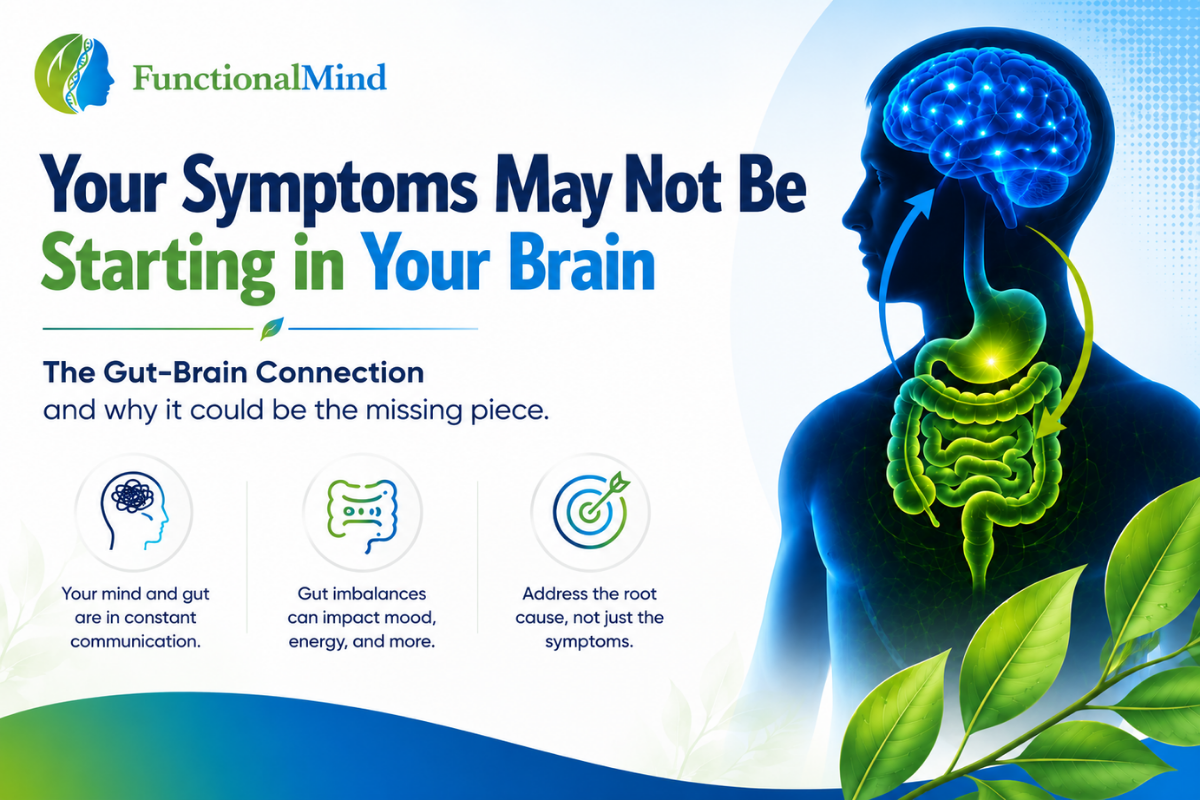
This is what we call the Gut- Brain Connection or the gut-brain axis. This is a constant two-way communication system between the digestive system and the brain that impacts the entire body, including regulating inflammation, immune function, neurotransmitters, hormones, and even mood.

In fact, a large percentage of the “happy hormone” serotonin is actually produced in the gut. When the gut becomes inflamed or imbalanced, the effects can extend far beyond digestion and may contribute to a variety of symptoms, including skin rashes, joint pain, frequent infections, fatigue, and, of course, anxiety/depression.

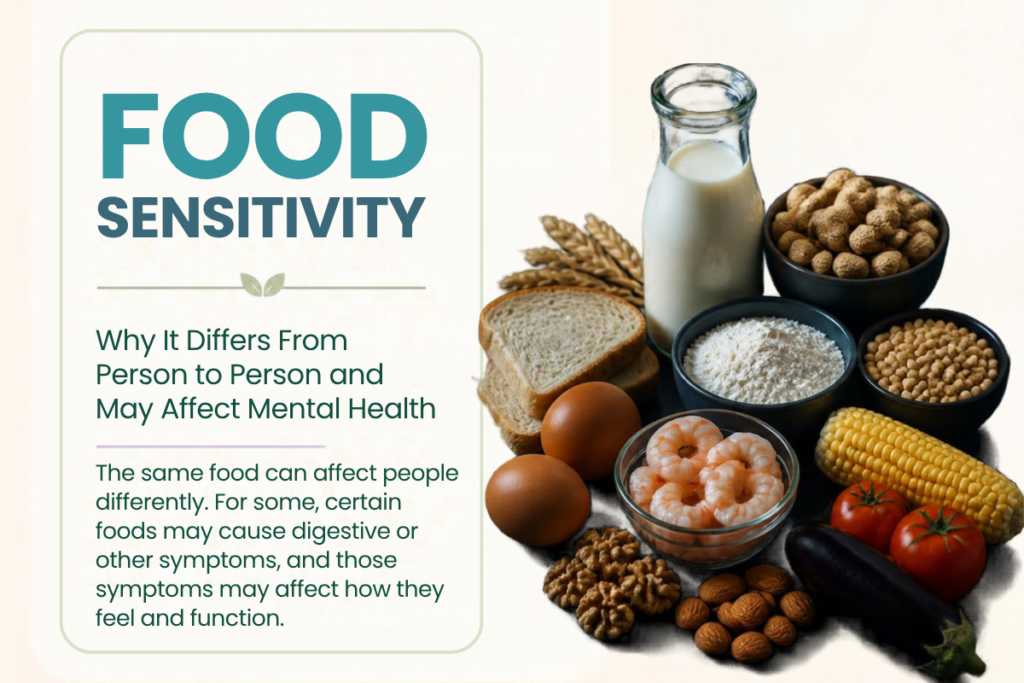
At Functional Mind, we commonly see patients struggling with issues like bloating, reflux, gas, constipation, diarrhea, fatigue, anxiety, headaches, skin rashes, acne, joint pain, and poor recovery. Many have already seen multiple providers and tried symptom-based treatments, yet the root issue may still be unresolved.

Several gut-related conditions can contribute to these symptoms. Dysbiosis, which is an imbalance of intestinal bacteria, is extremely common and can drive inflammation throughout the body. Pathogens or parasites may interfere with digestion and immune function. Digestive enzyme insufficiencies can impair nutrient absorption, leading to fatigue and poor recovery. Conditions like IBS, IBD, or increased intestinal permeability (“leaky gut”) may create chronic immune activation that impacts the brain, skin, and joints.

One area that is often overlooked is medications. Some of the most commonly used meds can significantly impact gut health. Antibiotics may wipe out beneficial bacteria alongside harmful bacteria. NSAIDs like ibuprofen can irritate the intestinal lining. Proton pump inhibitors (PPIs) such as omeprazole alter stomach acid, which alters digestion and microbial balance, and can reduce micronutrient absorption. Corticosteroids like prednisone can also disrupt the gut environment and immune function.

Another commonly overlooked contributor is gallbladder dysfunction. The gallbladder helps release bile, which is critical for digesting fats and supporting healthy bowel function. Poor bile flow may contribute to bloating, reflux, nausea, food sensitivities, and difficulty tolerating fatty meals. It can also impact the microbiome and nutrient absorption over time.

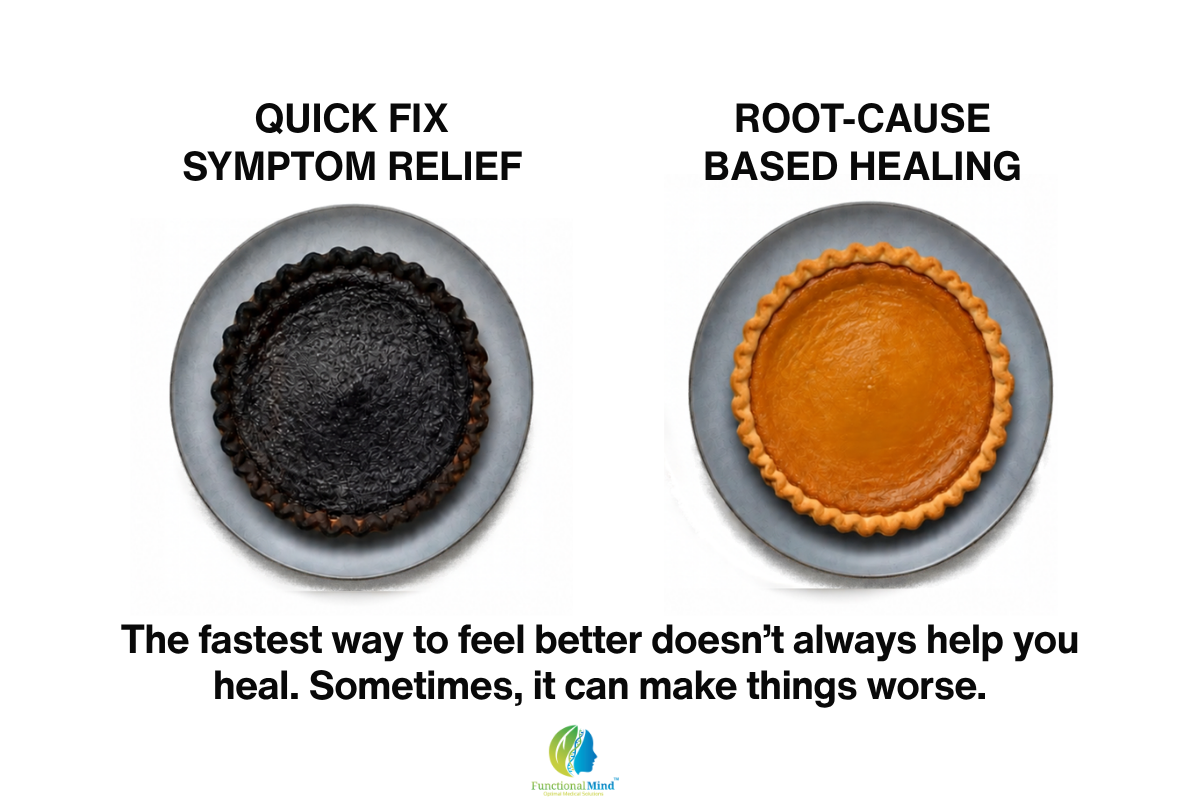
One of the biggest differences in functional medicine is that we ask a different question. Instead of simply asking, “How do we suppress the symptom?” we ask, “Why is this happening in the first place?”

That often involves a more comprehensive evaluation. Depending on the individual, testing may include advanced stool analysis, inflammatory markers, nutritional assessments, or evaluations of digestion and microbiome balance. The goal is not simply to manage symptoms, but rather to identify the root cause.

Treatment is rarely about one supplement or one medication. Healing the gut often requires a structured and individualized process. In many cases, we use a phased approach over several months.

The gut is not separate from the rest of the body. It is deeply connected to how we think, feel, recover, and function. Sometimes the path to better energy, clearer thinking, improved mood, and reduced inflammation starts by looking where most people are not looking: the gut.

If anything I’ve said here resonates with you and you’re ready to jump in, book a free Discovery Call with me, Vin Petronelli, FNP-BC, at our website, Functional Mind LLC here: https://fxnmind.com/book-your-free-discover-call-with-vincent-petronelli/

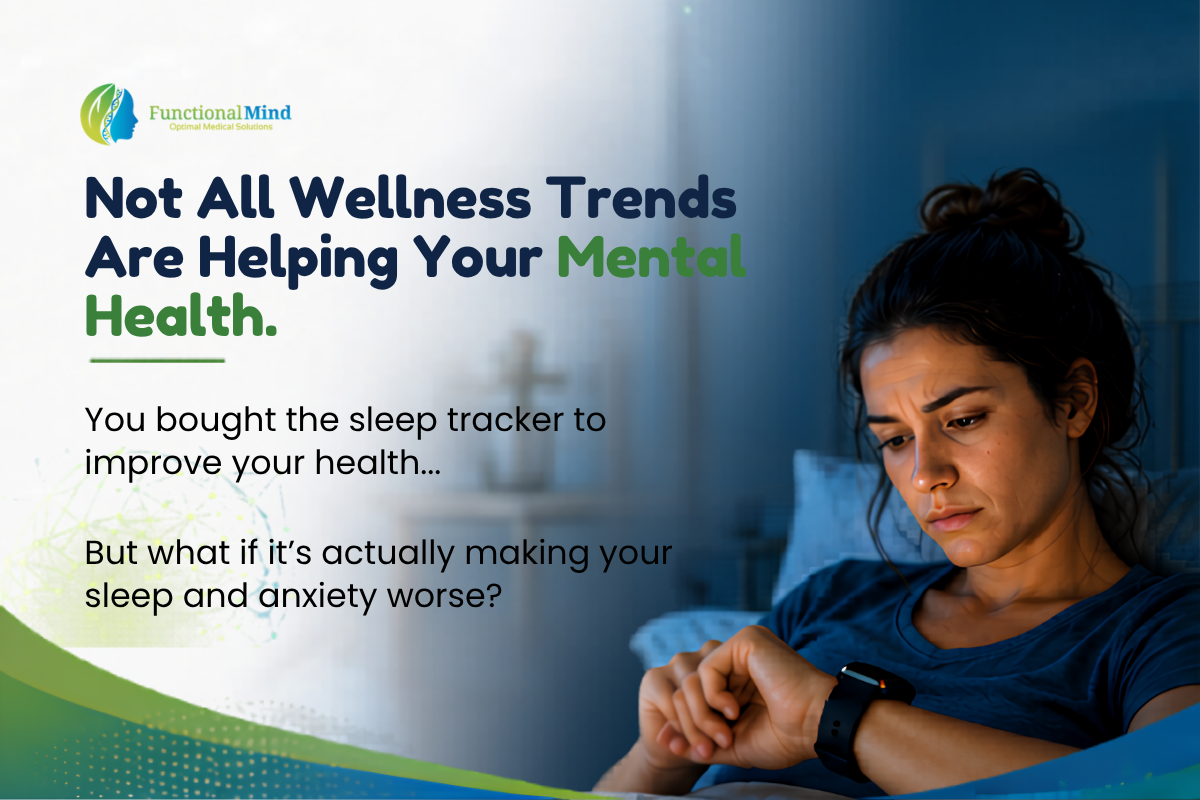
Orthosomnia: When Sleep Trackers Increase Sleep Anxiety


Sleep has become one of the hottest topics in the wellness world. From sleep-tracking watches and smart rings to apps that analyze every movement throughout the night, technology promises to help us unlock better rest and better health.

For many people, these tools can be helpful. They can provide insights into sleep habits, encourage consistency, and help identify patterns that may be affecting sleep quality.

But what happens when tracking sleep becomes a source of stress?

This is where orthosomnia enters the conversation.

Orthosomnia is a growing phenomenon in which the pursuit of “perfect” sleep creates anxiety, frustration, and even poorer sleep quality. Ironically, the very tools designed to improve sleep can sometimes make it harder to achieve.

If you’ve ever woken up, checked your sleep score, and immediately felt worried about how your day would go, you’re not alone. Understanding orthosomnia can help you develop a healthier relationship with sleep, technology, and your overall mental well-being.


What Is Orthosomnia?

The term orthosomnia combines the Greek word ortho (meaning correct or proper) with somnia (sleep). It describes an unhealthy preoccupation with achieving perfect sleep metrics, often driven by data from wearable devices and sleep-tracking technology.

People experiencing orthosomnia may become fixated on:

  • Sleep scores
  • Hours slept
  • Deep sleep percentages
  • REM sleep measurements
  • Sleep efficiency ratings
  • Heart rate variability (HRV) data

While these metrics can offer useful information, they are estimates—not absolute measures of health.

The problem begins when individuals place more trust in the data than in their own lived experience.

For example, someone may wake up feeling rested and energized. However, after seeing a low sleep score on their device, they suddenly begin to feel tired, worried, or discouraged. The number becomes more influential than how they actually feel.

Over time, this can create a cycle of stress that negatively affects both sleep and mental health.


Why Sleep Matters So Much to Mental Health

Sleep is one of the foundational pillars of physical and emotional wellness.

Quality sleep supports:

  • Emotional regulation
  • Memory consolidation
  • Learning and cognitive performance
  • Stress resilience
  • Hormonal balance
  • Immune function
  • Mood stability

When sleep suffers, mental health often suffers alongside it.

Research consistently shows associations between poor sleep and conditions such as:

  • Anxiety
  • Depression
  • Burnout
  • Irritability
  • Difficulty concentrating
  • Increased stress sensitivity

Because sleep is so important, it’s understandable that people want to optimize it. The challenge arises when optimization turns into obsession.


How Orthosomnia Creates Sleep Anxiety

One of the most significant consequences of orthosomnia is the development of sleep anxiety.

Sleep anxiety occurs when concerns about sleep itself become a source of stress.

Instead of approaching bedtime with relaxation, people begin to think:

  • “What if I don’t get enough deep sleep tonight?”
  • “What if my sleep score drops again?”
  • “What if tomorrow is ruined because I slept poorly?”

These thoughts can create a self-fulfilling cycle.

The more pressure we place on ourselves to sleep perfectly, the harder it becomes to relax enough for restorative sleep.

This shift can transform bedtime from a natural biological process into a nightly performance evaluation.


The Brain Science Behind Orthosomnia

To understand why orthosomnia can be so disruptive, it helps to look at what happens inside the brain.


Hypervigilance and the Nervous System

Healthy sleep requires the body to transition into a state of safety and relaxation.

However, when we’re worried about sleep, the brain can become hypervigilant.

Hypervigilance is a state of increased alertness in which the brain constantly scans for potential threats or problems.

Although originally designed as a survival mechanism, hypervigilance can interfere with sleep.

When the brain perceives sleep performance as something to monitor and control, it may activate the sympathetic nervous system—the body’s “fight-or-flight” response.

As a result:

  • Heart rate may increase
  • Cortisol levels may rise
  • Mental chatter may intensify
  • Physical tension may increase

These changes make it more difficult to fall asleep and stay asleep.


The Cortisol Connection

Cortisol is often referred to as the body’s primary stress hormone.

Under normal circumstances, cortisol levels decrease in the evening to prepare the body for sleep.

But when anxiety about sleep increases, cortisol can remain elevated.

Higher cortisol levels can contribute to:

  • Difficulty falling asleep
  • Frequent nighttime awakenings
  • Lighter sleep
  • Reduced feelings of restfulness

Ironically, worrying about sleep can create the very sleep problems we’re trying to avoid.


Are Sleep Trackers Bad?

The answer is no.

Sleep trackers themselves are not the problem.

In fact, many people benefit from wearable technology and gain valuable insights into their habits.

Sleep trackers can help identify patterns such as:

  • Inconsistent bedtimes
  • Alcohol’s effect on sleep
  • The impact of exercise timing
  • Sleep duration trends
  • Lifestyle factors affecting recovery

The issue is not the technology.

The issue is the relationship we develop with the technology.

When sleep data becomes a source of curiosity and awareness, it can be helpful.

When sleep data becomes a source of fear, judgment, or self-criticism, it can become harmful.


Signs You May Be Developing Orthosomnia

You may be experiencing orthosomnia if:


You Check Your Sleep Data Immediately Every Morning

The first thing you do upon waking is look at your sleep score.

Your mood for the day becomes dependent on what the device reports.


You Feel Anxious Before Bed

You worry about whether you’ll achieve a “good” sleep score.

Bedtime starts feeling like a test you must pass.


You Distrust How You Feel

Even when you feel rested, you believe the device over your own experience.


Sleep Data Impacts Your Mood

A low score causes frustration, discouragement, or anxiety throughout the day.


You Constantly Try to “Fix” Your Sleep

You continuously add supplements, gadgets, routines, and protocols in pursuit of perfect metrics.


What Actually Defines Healthy Sleep?

One of the most important truths about sleep is that it is not measured by a single number.

Healthy sleep is reflected in your overall functioning and quality of life.

Consider questions such as:

  • Do I generally feel rested?
  • Can I focus during the day?
  • Is my mood relatively stable?
  • Am I able to manage stress effectively?
  • Do I have energy for activities I enjoy?

These real-world indicators often tell us more than any sleep score ever could.

Your body is not a spreadsheet.

Human health is far more complex and nuanced than a collection of nightly metrics.

Building a Healthier Relationship With Sleep

If you recognize signs of orthosomnia in yourself, don’t panic.

The goal isn’t to abandon technology.

The goal is to create balance.


Use Data as Information, Not Judgment

Treat sleep metrics as one piece of information rather than a definitive assessment of your health.


Focus on Sleep Habits Instead of Sleep Scores

Prioritize behaviors you can control:

  • Consistent bedtime
  • Morning sunlight exposure
  • Physical activity
  • Stress management
  • Limiting caffeine late in the day

Practice Self-Trust

Your subjective experience matters.

Learning to trust your body’s signals can reduce anxiety and support healthier sleep.

Let Go of Perfection

There is no such thing as perfect sleep.

Even healthy sleepers experience occasional restless nights.

A single night’s sleep rarely determines long-term health outcomes.


The Real Goal: A Healthy Relationship With Sleep

In today’s wellness culture, it’s easy to believe that every aspect of health must be optimized.

But true wellness isn’t about perfection.

It’s about balance.

It’s about creating habits that support your physical, emotional, and mental well-being without becoming trapped by numbers, metrics, or unrealistic expectations.

Sleep should be restorative.

It should be a source of healing, not another source of pressure.

If tracking your sleep leaves you feeling worried, frustrated, or discouraged, it may be worth examining not only the data itself but also your relationship with the data.

Because ultimately, the goal isn’t perfect sleep.

The goal is a healthy relationship with sleep.


Ready to Take a More Holistic Approach to Mental Wellness?

If anxiety, stress, sleep challenges, or burnout are affecting your quality of life, Functional Mind can help you explore the root causes and develop personalized strategies for lasting wellness.

To schedule an appointment, call 401-270-4541 or book a free discovery call with Dr. Achina Stein at:

https://fxnmind.com/free-consultation-with-achina/

Have you ever changed how you felt about your day based solely on a sleep score? We’d love to hear your experience.

Healthy Holiday Desserts You Can Enjoy Without Guilt

Healthy holiday desserts don’t have to mean bland flavors or strict deprivation. The holiday season often brings an overload of sugary treats that can disrupt blood sugar, increase inflammation, and negatively impact mood and energy. Fortunately, with the right ingredients, it’s possible to enjoy festive desserts that nourish both the body and the brain.

These healthy holiday dessert recipes focus on whole, nutrient-dense ingredients that support steady energy, brain health, and overall well-being—making it easier to enjoy seasonal treats without feeling weighed down afterward.


Why Choose Healthy Holiday Desserts?

Traditional holiday desserts are often high in refined sugar, processed flour, and inflammatory ingredients. These foods may contribute to:

  • Blood sugar spikes and crashes
  • Increased inflammation
  • Fatigue and brain fog
  • Mood changes
  • Digestive discomfort

Healthy holiday desserts emphasize nutrient-dense ingredients, healthy fats, fiber, and natural sweetness, helping support metabolic balance, brain health, and sustained energy during the holidays.

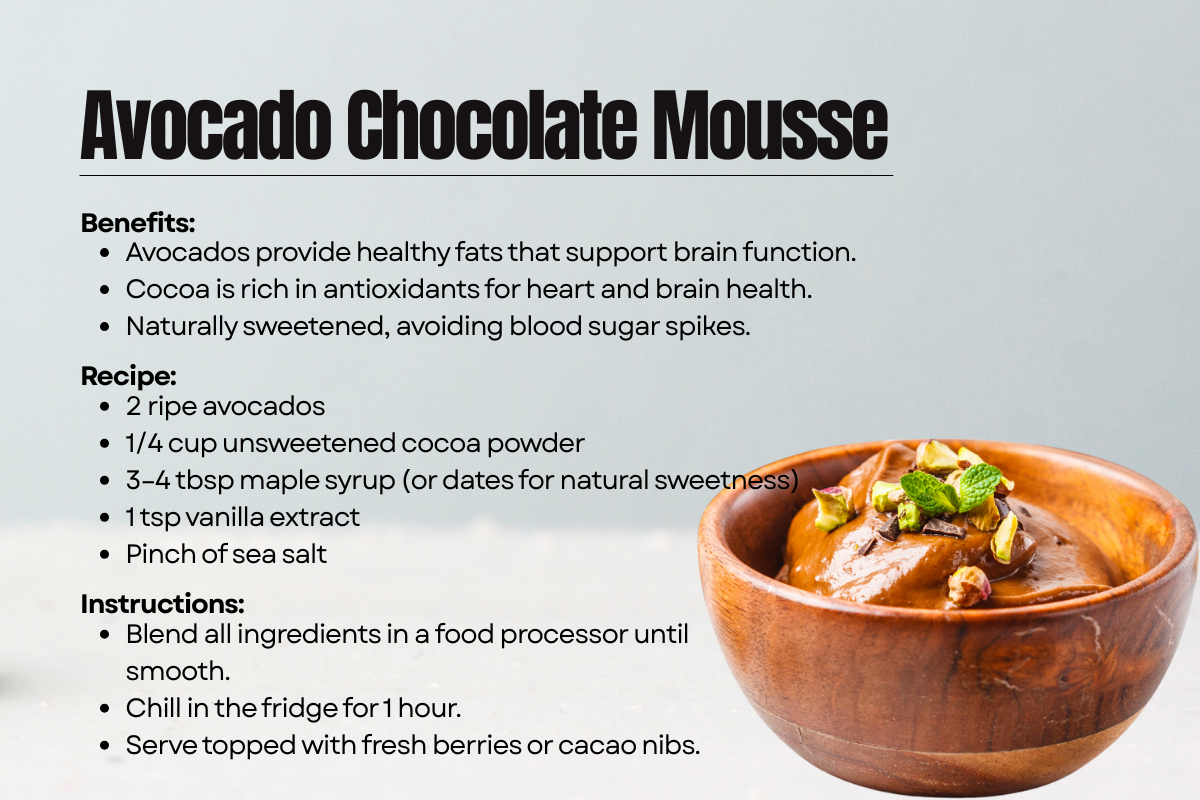
Healthy Holiday Desserts: Avocado Chocolate Mousse

This rich and creamy chocolate dessert offers indulgence while supporting brain and heart health.

Ingredients

  • 2 ripe avocados
  • 1/4 cup unsweetened cocoa powder
  • 3–4 tablespoons maple syrup
  • 1 teaspoon vanilla extract
  • Pinch of sea salt

Instructions

  1. Blend all ingredients in a food processor until smooth.
  2. Refrigerate for at least 1 hour before serving.
  3. Garnish with berries or cacao nibs if desired.

Health Benefits

  • Healthy fats from avocado support brain and nervous system function
  • Cocoa provides antioxidants for cognitive and cardiovascular health
  • Naturally sweetened to support balanced blood sugar

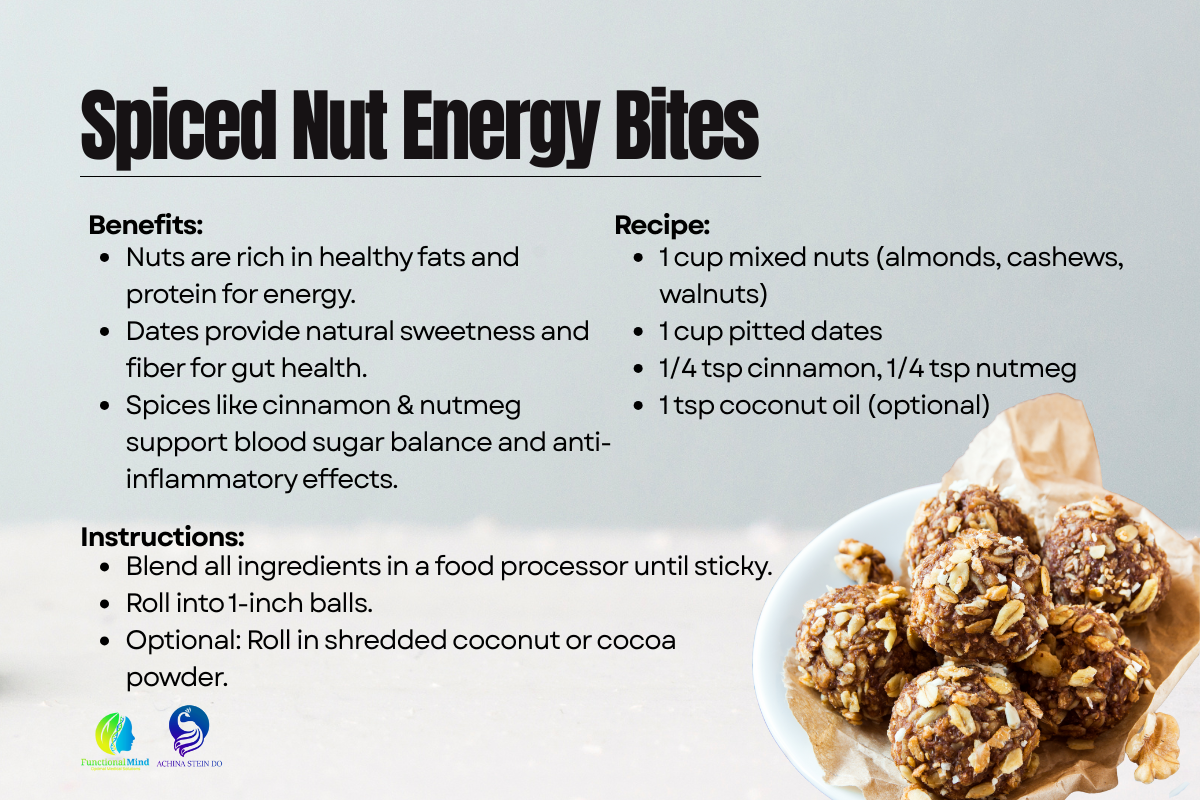
Healthy Holiday Desserts: Spiced Nut Energy Bites

These no-bake treats are ideal for snacking or gifting during the holidays.

Ingredients

  • 1 cup mixed nuts (almonds, walnuts, cashews)
  • 1 cup pitted dates
  • 1/4 teaspoon cinnamon
  • 1/4 teaspoon nutmeg
  • 1 teaspoon coconut oil (optional)

Instructions

  1. Blend ingredients until sticky.
  2. Roll into 1-inch balls.
  3. Refrigerate until firm.

Health Benefits

  • Nuts provide protein and healthy fats for sustained energy
  • Dates offer fiber and natural sweetness
  • Cinnamon supports healthy blood sugar regulation

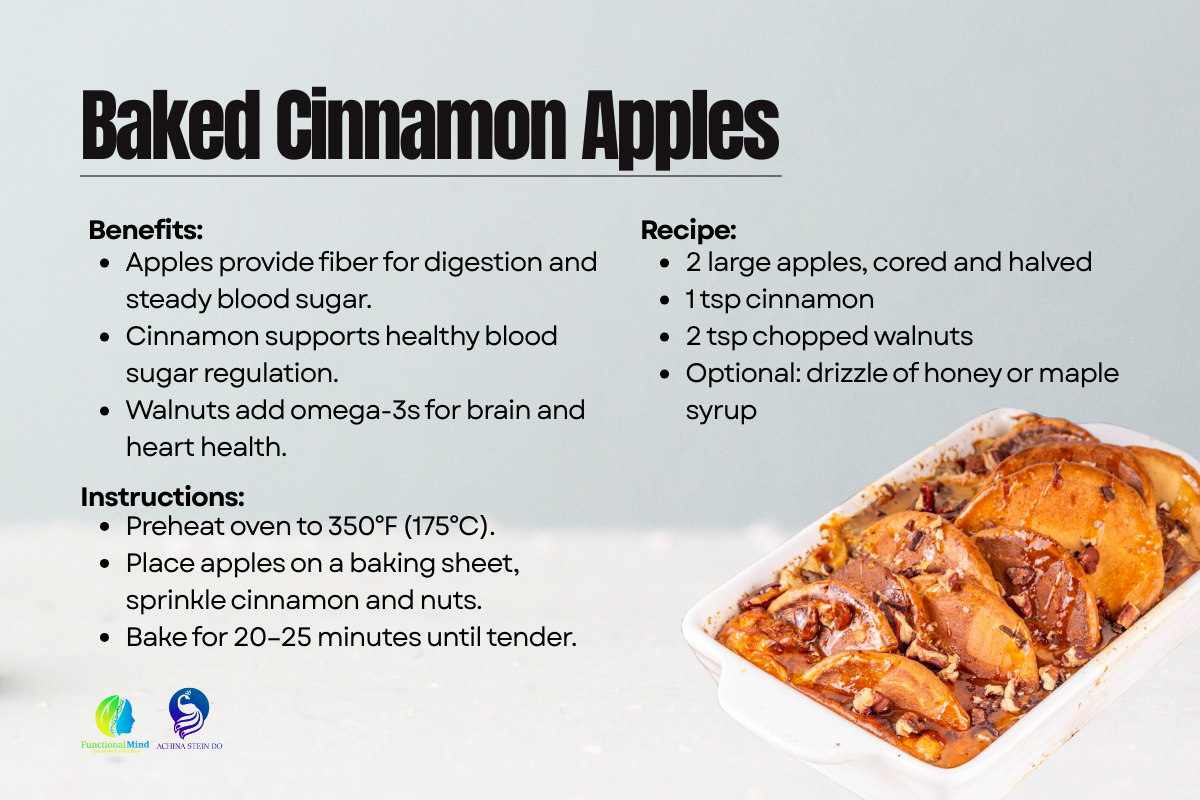
Healthy Holiday Desserts: Baked Cinnamon Apples

A warm and comforting dessert that feels indulgent while remaining nutrient-rich.
Ingredients

  • 2 large apples, cored and halved
  • 1 teaspoon cinnamon
  • 2 teaspoons chopped walnuts
  • Optional drizzle of honey or maple syrup

Instructions

  1. Preheat oven to 350°F (175°C).
  2. Place apples on a baking sheet.
  3. Sprinkle with cinnamon and walnuts.
  4. Bake for 20–25 minutes.

Health Benefits

  • Apples provide fiber for gut and metabolic health
  • Cinnamon helps support blood sugar balance
  • Walnuts contain omega-3 fatty acids for brain health

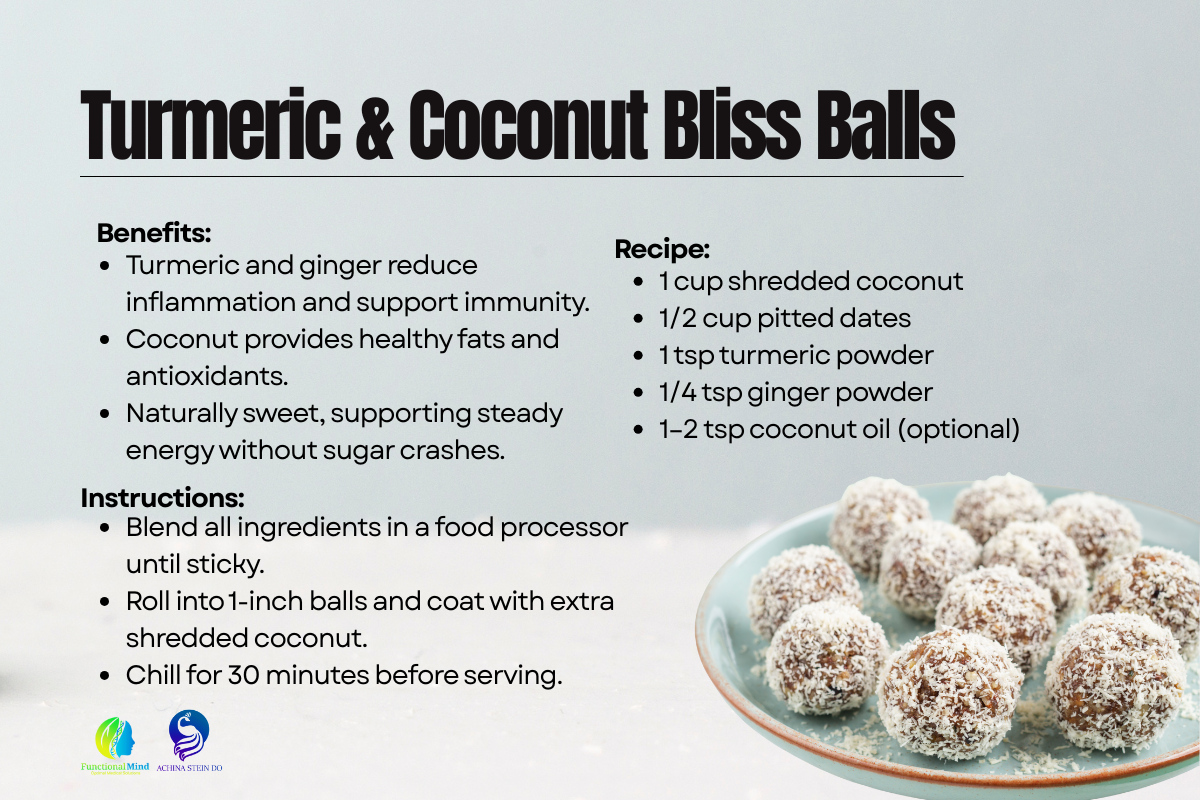
Healthy Holiday Desserts: Turmeric & Coconut Bliss Balls

These golden treats combine anti-inflammatory spices with healthy fats.

Ingredients

  • 1 cup shredded coconut
  • 1/2 cup pitted dates
  • 1 teaspoon turmeric powder
  • 1/4 teaspoon ginger powder
  • 1–2 teaspoons coconut oil (optional)

Instructions

  1. Blend ingredients until combined.
  2. Roll into bite-sized balls.
  3. Chill for 30 minutes before serving.

Health Benefits

  • Turmeric and ginger support inflammation reduction
  • Coconut provides healthy fats for steady energy
  • Naturally sweetened to avoid refined sugar


Are Healthy Holiday Desserts Gluten-Free and Dairy-Free?

  • Gluten-Free: Yes, all recipes are naturally gluten-free
  • Dairy-Free: Yes, no dairy ingredients are used

These healthy holiday desserts are designed to support digestion, reduce inflammation, and promote overall wellness during the holiday season.


Enjoy Healthy Holiday Desserts Without Sacrificing Your Health

Healthy holiday desserts make it possible to celebrate without guilt, sugar crashes, or health imbalances. With thoughtful ingredient choices, desserts can support brain health, mood stability, and energy throughout the season.

📅 Book Your FREE 25-Minute Consultation
👉 https://fxnmind.com/free-consultation-with-achina
📞 Call Functional Mind LLC: 401-270-4541

Healthy Holiday Mocktails

Enjoy the Holidays Without Sacrificing Your Health

Holiday mocktails are a simple, delicious way to celebrate the season without the negative effects of alcohol or sugary drinks. During the holidays, many people experience fatigue, low mood, or disrupted sleep, and what’s in your glass often plays a bigger role than you realize.

Instead of traditional cocktails, choosing brain-friendly holiday mocktails allows you to enjoy festive flavors while supporting your mood, energy, and overall wellness. These alcohol-free drinks are designed to help you feel good during the celebrations — not just recover afterward.

Holiday mocktails made with anti-inflammatory ingredients to support brain health, mood, and energy

Why Choose Brain-Friendly Mocktails?

These mocktails are more than just tasty, they’re functional:

  • 🌿 Anti-inflammatory ingredients help reduce stress on the body.
  • 🧠 Brain-supportive nutrients support mood, focus, and clarity.
  • 💧 Hydrating ingredients maintain steady energy.
  • 🍋 Natural flavors with no added sugar keep you healthy and satisfied.

Simple swaps like alcohol-free, functional mocktails can dramatically improve energy, mood, and sleep, making the holiday season more enjoyable.

Holiday Mocktails Recipes & Benefits

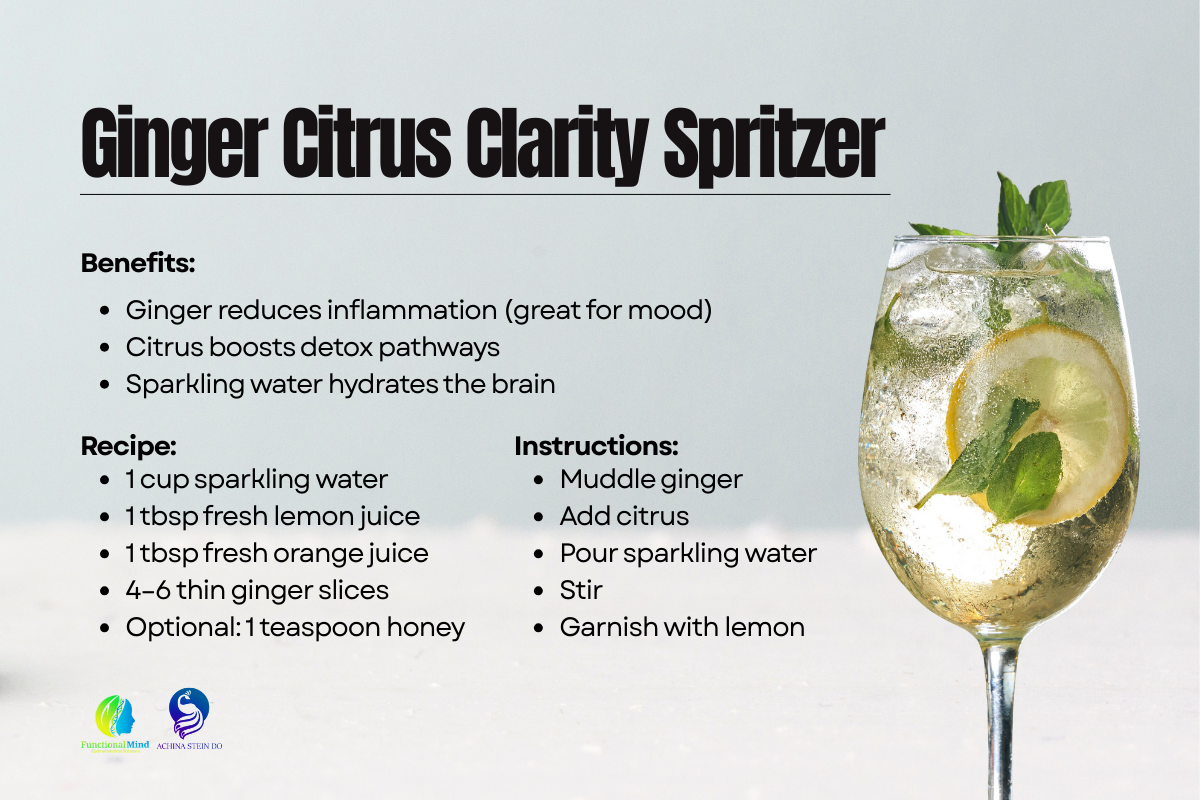
1. Ginger Citrus Clarity Spritzer

Ginger citrus holiday mocktail with lemon, orange, and sparkling water for brain and digestion support

Benefits:

  • Ginger: reduces inflammation and supports digestion
  • Citrus: rich in vitamin C to boost detox and immune support
  • Sparkling water: hydrates and energizes naturally

Ingredients:

  • 1 cup sparkling water
  • 1 tbsp fresh lemon juice
  • 1 tbsp fresh orange juice
  • 4–6 thin slices fresh ginger
  • Optional: 1 tsp honey

Instructions:

  1. Muddle ginger slices in a glass.
  2. Add lemon and orange juice.
  3. Pour in sparkling water and stir gently.
  4. Garnish with a lemon slice or fresh mint.
  5. Serve immediately.

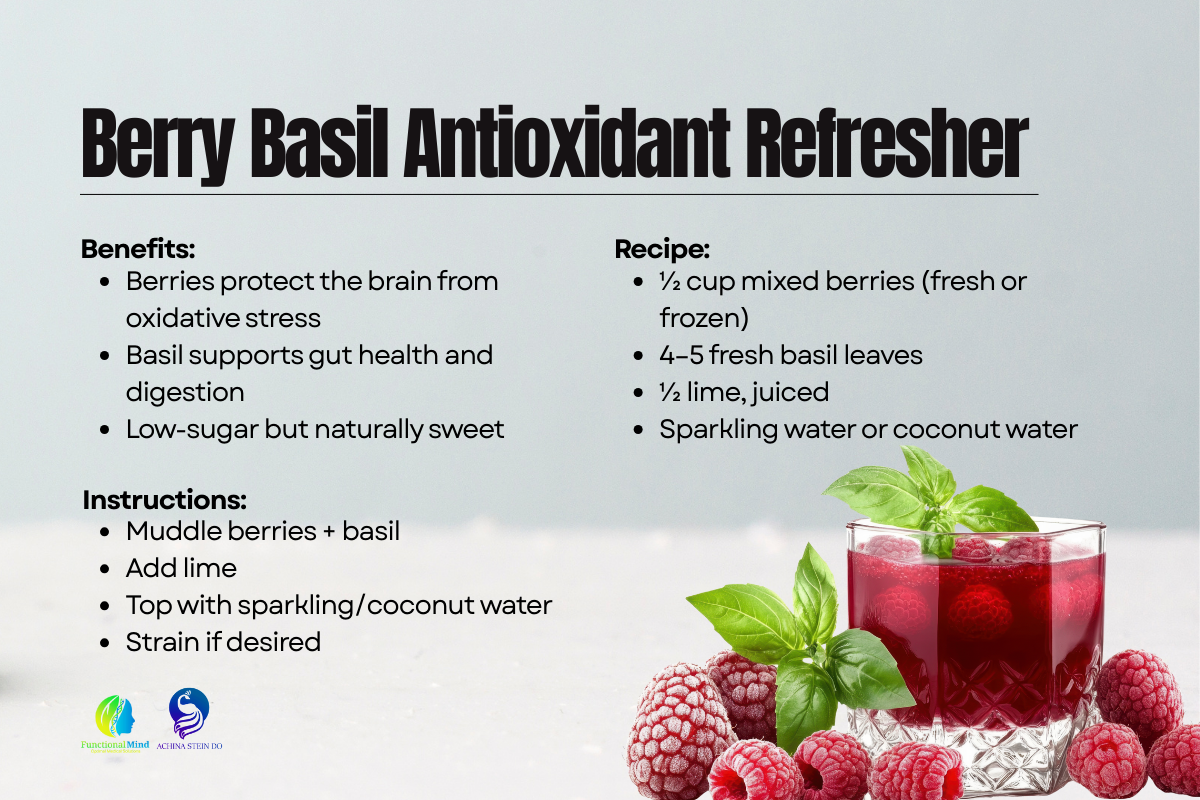
2. Berry Basil Antioxidant Refresher

Berry basil holiday mocktail made with fresh berries and basil for antioxidant and brain health support
Benefits:

  • Berries: antioxidants protect the brain from oxidative stress
  • Basil: supports gut health and digestion
  • Naturally low in sugar, high in flavor

Ingredients:

  • ½ cup mixed berries (fresh or frozen)
  • 4–5 fresh basil leaves
  • ½ lime, juiced
  • 1 cup sparkling water or coconut water

Instructions:

  1. Muddle berries and basil leaves in a glass.
  2. Add lime juice.
  3. Top with sparkling or coconut water.
  4. Stir gently and strain if desired.
  5. Garnish with a few whole berries or basil leaves.

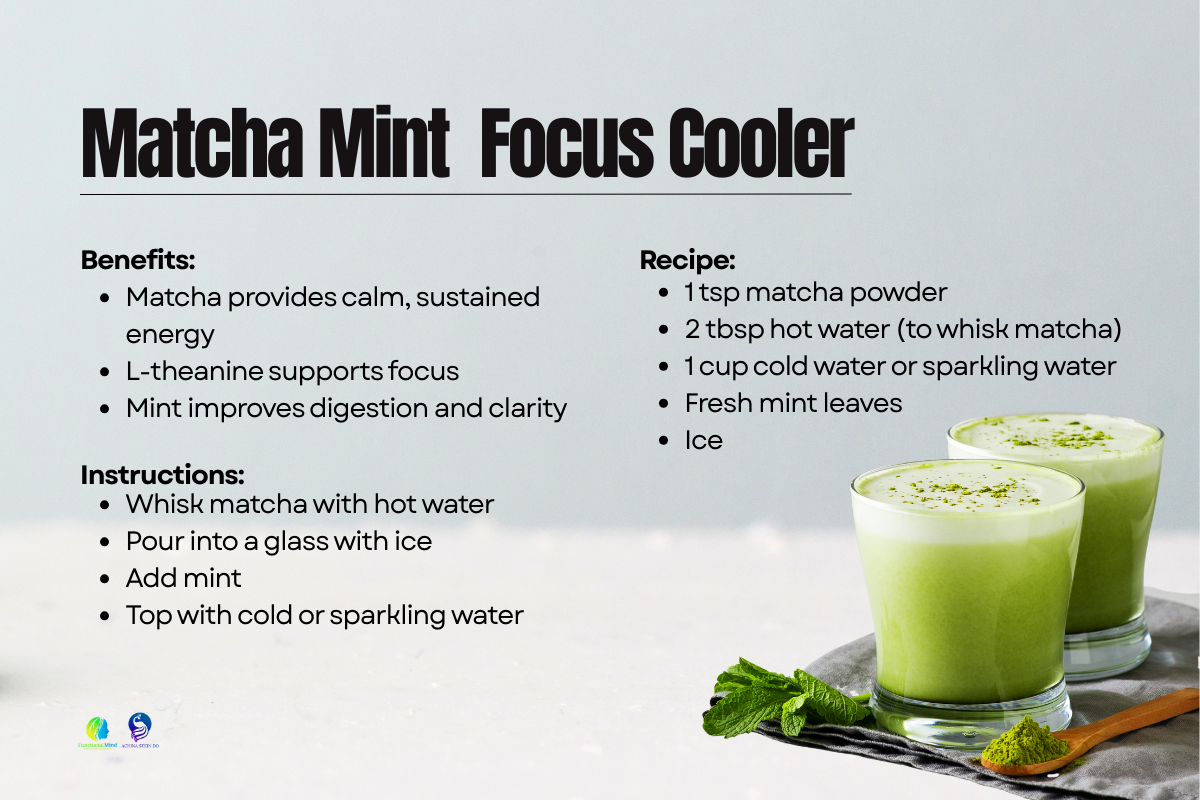
3. Matcha Mint Focus Cooler

Matcha mint holiday mocktail with L-theanine to support focus, calm energy, and mental clarity
Benefits:

  • Matcha: provides calm, sustained energy and supports focus
  • L-theanine (in matcha): promotes mental clarity
  • Mint: aids digestion and freshens the palate

Ingredients:

  • 1 tsp matcha powder
  • 2 tbsp hot water (for whisking matcha)
  • 1 cup cold water or sparkling water
  • Fresh mint leaves
  • Ice

Instructions:

  1. Whisk matcha powder with hot water until smooth.
  2. Fill a glass with ice.
  3. Pour matcha over ice.
  4. Add cold water or sparkling water.
  5. Garnish with fresh mint.


Celebrate and Stay Healthy

There are always ways to enjoy the holidays and maintain your wellness. These alcohol-free, functional mocktails are an easy, delicious way to support mood, energy, and sleep while still feeling festive.

At Functional Mind, we provide functional approaches to mental health and overall wellness. Nutrition, including what you drink, is an essential part of supporting your brain, mood, and energy, especially during the busy holiday season.

📞 Call Functional Mind LLC: 401-270-4541
💻 Book your FREE 25-minute discovery call: fxnmind.com/free-consultation-with-achina

Bounce Back Better: The Unexpected Health Benefits of Rebounding

Rebounding, bouncing gently on a mini-trampoline, is often dismissed as playful or “childish,” but the benefits of rebounding extend far beyond fun. This simple movement offers powerful, often overlooked advantages for both physical and mental wellness.

At Functional Mind LLC, rebounding is recognized as a low-impact, accessible practice that supports brain health, emotional balance, and whole-body vitality.

What Is Rebounding?

Rebounding involves gentle bouncing on a small trampoline. It’s a low-impact exercise suitable for all ages and fitness levels. The up-and-down motion:

  • Stimulates the lymphatic system
  • Improves circulation
  • Engages core and stabilizing muscles

This combination delivers both physical and mental health benefits in just a few minutes a day.


Top Health Benefits of Rebounding

  1. Supports Detoxification & Reduces Inflammation – The bouncing motion stimulates lymph flow, helping the body flush toxins, reduce inflammation, and strengthen the immune system, a cornerstone of functional wellness.
  2. Boosts Mood & Emotional Balance – Rebounding naturally releases endorphins and balances stress hormones, helping reduce anxiety and improve overall emotional well-being.
  3. Enhances Brain Function & Focus – Improved circulation increases oxygen flow to the brain, supporting sharper focus, memory, and cognitive function.
  4. Reduces Stress & Promotes Relaxation – Rhythmic bouncing helps calm the nervous system, shifting the body out of fight-or-flight mode and promoting a sense of calm.
  5. Supports Better Sleep – By reducing stress hormones and promoting relaxation, rebounding can help improve sleep quality and restorative rest.
  6. Increases Energy & Motivation – Even short sessions stimulate cellular energy production, boosting mental and physical vitality throughout the day.
  7.  Improves Balance & Coordination – The subtle adjustments your body makes while bouncing strengthen stabilizer muscles, improve proprioception, and enhance overall coordination.

How to Start a Rebounding Routine

You don’t need long workouts to enjoy the health benefits of rebounding. Just 5–10 minutes a day is enough to experience improved energy, mood, and mental clarity.

Tips for beginners:
  • Start with gentle bounces, keeping feet on the trampoline
  • Focus on posture and core engagement
  • Gradually increase duration or add light arm movements

Rebounding & Functional Medicine

Rebounding complements a functional medicine approach by supporting:
  • Detoxification pathways
  • Mental clarity and cognitive health
  • Mood regulation
  • Mind-body connection

Learn more about our holistic strategies for improving brain health, emotional wellness, and overall vitality on our Services page.


Why You Should Try Rebounding Today

Rebounding is a fun, low-impact exercise with powerful mental and physical health benefits. From detoxifying the body to boosting energy and mood, this often overlooked activity can be an easy, effective addition to your daily routine.

📅 Book your FREE 25-minute Discovery Call: fxnmind.com/free-consultation-with-achina
📞 Call Functional Mind LLC: 401-270-4541

Start rebounding today and experience the many benefits for your mind and body!

Oral Health and Brain Health: The Critical Connection You Shouldn’t Ignore

Most people think of brushing and flossing as basic daily habits to prevent cavities — but your oral health influences far more than your smile. Strong research now shows a significant link between oral health and brain health, revealing that the state of your mouth directly affects cognitive function, inflammation, and long-term brain wellness.

A new Yale study highlights this connection by showing that individuals with poor oral health — or even a genetic predisposition to it — experienced greater damage to the brain’s white matter after a stroke. Because white matter controls memory, focus, and communication within the brain, damage in this area can accelerate cognitive decline.

So how does the mouth impact the brain so profoundly? The answer lies in chronic inflammation, hidden infections, and imbalances in the oral microbiome — all central to the oral health and brain health connection.


How Oral Health Impacts the Brain

Your mouth contains millions of bacteria. Some are helpful, but others can trigger inflammation when they grow out of balance. When harmful bacteria flourish due to gum disease, poor hygiene, or unresolved dental issues, they can enter the bloodstream and travel to the brain.

Once there, these bacteria and inflammatory markers can:

  • Disrupt white matter function

  • Cause brain fog

  • Impair memory

  • Increase stroke and cognitive decline risks

  • Worsen mood and mental clarity

Hidden dental infections amplify this problem dramatically. Issues such as cavitations, abscesses, jawbone infections, and infected root canals may not cause pain — yet they can silently fuel inflammation for years, affecting both oral health and brain health.

CBCT Scans: The Best Tool for Detecting Hidden Oral Infections

Most patients never discover these issues because standard dental X-rays often miss them.
A CBCT (Cone Beam Computed Tomography) scan offers a 3D view of the jaw and is the most accurate method for identifying hidden infections that impact oral health and brain health.

CBCT scans can detect:

  • Cavitations

  • Chronic abscesses

  • Infected or failing root canals

  • Jawbone deterioration

  • Silent inflammation

This makes CBCT imaging critical for uncovering root causes behind chronic fatigue, brain fog, mood changes, or persistent inflammation.

Another overlooked factor in the oral health and brain health connection is metal exposure. Having two or more different metals in the mouth — especially silver amalgams — can create galvanic currents, disrupt the oral microbiome, and increase the risk of chronic inflammation and infection.


How to Support Both Oral Health and Brain Health

Improving your mouth is one of the most effective ways to protect your brain. Here are key steps:

1. Brush and Floss Daily

Strong oral hygiene prevents bacterial overgrowth.

2. Reduce Sugar and Processed Foods

Sugar fuels harmful bacteria that trigger inflammation.

3. Stay Hydrated

Saliva helps regulate the oral microbiome.

4. Eat Nutrient-Dense Foods

Vitamin C, zinc, antioxidants, and omega-3s support gum and brain function.

5. Try Natural Supportive Practices

Oil pulling, tongue scraping, and water flossers help reduce harmful bacteria.

By supporting both oral health and brain health, you strengthen memory, mental clarity, and long-term cognitive resilience.


A Healthy Mouth Supports a Healthy Mind

Your mouth is a direct reflection of your brain’s inner workings. When you address hidden infections, reduce inflammation, and optimize oral health, you give your brain the support it needs to function at its best.

Get Root-Cause Support with Dr. Achina Stein at Functional Mind LLC

If you’re experiencing brain fog, mood changes, fatigue, or cognitive decline, your oral health may be part of the root cause.
Dr. Achina Stein and Functional Mind LLC specialize in identifying the deeper issues — including hidden oral infections — that influence mental and physical health.

📞 Call: 401-270-4541
📅 Book your FREE 25-minute discovery call:
fxnmind.com/free-consultation-with-achina

Take the next step toward clearer thinking, a better mood, and whole-body wellness.

What Is Heart Rate Variability (HRV)?

Heart Rate Variability (HRV) is one of the most important markers for understanding your stress levels, recovery, and overall mind-body health. More than just a fitness metric, HRV reveals how well your nervous system adapts to daily physical, emotional, and environmental stressors. In functional medicine, HRV plays a key role in understanding resilience, inflammation, sleep quality, and mental well-being.
&nbsp

What Is Heart Rate Variability?

Heart Rate Variability measures the slight variations in time between each heartbeat. Even if your heart beats 70 times per minute, the spacing between beats isn’t perfectly even — and that variability is healthy.

HRV reflects the balance of your autonomic nervous system, which includes:

  • Sympathetic Nervous System — your “fight or flight” stress response

  • Parasympathetic Nervous System — your “rest, digest, and recover” system

A higher Heart Rate Variability means your body can shift between stress and recovery with ease.
A lower HRV may signal stress overload, inflammation, poor sleep, or decreased resilience.
&nbsp

Typical HRV Ranges by Age

HRV varies from person to person, but here are general resting HRV ranges:

  • Ages 20–29: 60–90 ms

  • Ages 30–39: 50–70 ms

  • Ages 40–49: 45–60 ms

  • Ages 50–59: 40–50 ms

  • Ages 60–69+: 30–45 ms

Heart Rate Variability naturally decreases with age as parasympathetic activity declines. Your personal baseline and trends are far more important than comparing your HRV to someone else’s.
&nbsp

Why Heart Rate Variability Matters for Mental Health

HRV is closely connected to emotional balance and mental resilience. Low HRV is associated with:

  • Increased stress and anxiety

  • Irritability and mood imbalance

  • Difficulty regulating emotions

  • Burnout and fatigue

  • Reduced ability to adapt to life’s challenges

A higher Heart Rate Variability often reflects better emotional stability, calmer mood, and improved stress response, making it a powerful tool for mental health monitoring.


What Affects Your HRV?

Several lifestyle and health factors influence your Heart Rate Variability:

  • Sleep habits

  • Daily stress

  • Physical activity

  • Inflammation

  • Hydration and nutrition

  • Alcohol intake

  • Emotional well-being

  • Environmental toxins

  • Underlying illness or infection

Tracking HRV helps you understand what supports — or drains — your nervous system.
&nbsp

How to Improve Heart Rate Variability Naturally

You can raise your HRV and strengthen your stress resilience with simple daily habits:

✔ Get consistent, high-quality sleep

Good sleep restores your nervous system and increases HRV.

✔ Move your body regularly

Walking, strength training, and light exercise improve HRV over time.

✔ Practice deep breathing and mindfulness

These activate the vagus nerve and raise Heart Rate Variability naturally.

✔ Eat anti-inflammatory foods

Whole foods, healthy fats, and antioxidants support autonomic balance.

✔ Reduce alcohol and stimulants

They can dramatically lower HRV for hours or days.

✔ Support emotional health

Mindfulness, therapy, and journaling can positively influence HRV and mood.
&nbsp

Heart Rate Variability: A Window Into Your Body’s Resilience

Heart Rate Variability offers a clear look into how well your mind and body handle stress. While HRV naturally changes with age, improving your lifestyle can significantly boost your nervous system, mood, energy, and overall well-being.

Your HRV isn’t about perfection — it’s about understanding your body and improving your resilience over time.

At Functional Mind LLC, we help you understand root causes of stress, inflammation, and mood imbalance — including how markers like Heart Rate Variability reflect your overall health.

💚 Work with Dr. Achina Stein — Functional Medicine Psychiatrist
📞 401-270-4541
📅 Book your FREE 25-minute discovery call: https://fxnmind.com/free-consultation-with-achina

Tip of the Iceberg Symptoms and Root Cause Healing

When you feel tired, anxious, or foggy, it’s easy to focus only on the surface symptoms. But these may actually be Tip of the Iceberg Symptoms — signs pointing to deeper imbalances beneath the surface.

In Functional Medicine, symptoms aren’t the problem — they’re messages from your body. They’re signals that something deeper needs care and attention. True healing happens when we look beyond what’s visible and uncover the root cause of your physical and mental health issues.

🌊 What Are “Tip of the Iceberg Symptoms”?

The phrase Tip of the Iceberg Symptoms describes the visible discomforts we notice — like fatigue, anxiety, or digestive problems — which are only a small piece of the whole picture.

Beneath those visible signs are underlying imbalances such as:

  • Gut dysfunction and dysbiosis

  • Nutrient deficiencies

  • Hormonal and thyroid imbalance

  • Chronic inflammation

  • Toxin overload

  • Mitochondrial dysfunction

  • Emotional stress and trauma

  • Impaired detox pathways

When these deeper causes go unaddressed, symptoms persist — or return stronger than before.


⚕️ Why Treating Only Symptoms Isn’t Enough

Treating symptoms alone is like patching cracks on the tip of an iceberg while ignoring what’s underneath. Medications may offer short-term relief but often don’t fix the root issue.

For example:

  • Fatigue may be caused by thyroid imbalance or mitochondrial issues — not just stress.

  • Brain fog may result from gut inflammation, food sensitivities, or toxin buildup.

  • Anxiety or depression can stem from nutrient deficiencies, hormonal shifts, or chronic inflammation.

When we address the why behind the symptom, the healing process becomes lasting and complete.


🌿 Functional Medicine and Root Cause Healing

At Functional Mind LLC, we go beyond symptom management. We ask the deeper questions:
👉 Why are these symptoms happening?
👉 What’s beneath the surface?

Through comprehensive testing, nutrition, and lifestyle strategies, we uncover the root causes of your health challenges. Our goal is to restore balance to your body, mind, and energy — naturally and sustainably.


💫 Healing Happens Beneath the Surface

Your symptoms are not random; they’re your body’s language. The transformation begins when you stop suppressing them and start exploring their deeper meaning.

True wellness starts when you look beneath the surface — where real healing begins.


👩‍⚕️ About Dr. Achina Stein and Functional Mind LLC

Dr. Achina Stein, DO, is a Functional Medicine Doctor, Board-Certified Psychiatrist, author, and Speaker dedicated to helping individuals uncover and heal the root causes of their symptoms.
At Functional Mind LLC, we blend science, nutrition, and integrative therapies to help patients achieve optimal physical, mental, and emotional health.


📞 Start Healing from the Root Cause

Are you ready to understand your Tip of the Iceberg Symptoms and uncover what’s really going on beneath the surface?

📅 Book your FREE 25-minute discovery call:
👉 fxnmind.com/free-consultation-with-achina

📞 Call: 401-270-4541

At Functional Mind LLC, we don’t just treat symptoms — we help you heal from the inside out.

What Is the Vagus Nerve? Functions and Benefits Explained Keyword: Vagus Nerve

The vagus nerve is one of the most important nerves in your body. It connects your brain to your heart, lungs, gut, and other organs. This nerve plays a key role in regulating stress, digestion, inflammation, and mood. Understanding the vagus nerve and its functions can help you improve your mental and physical health.

Why the Vagus Nerve Matters

A well-functioning vagus nerve helps your body stay balanced. It supports:

  • Digestion: improves gut function, nutrient absorption, and gut microbiome health

  • Heart: lowers heart rate and balances blood pressure

  • Lungs: regulates breathing for relaxation

  • Brain: supports focus, memory, and emotional stability

  • Immune system: reduces inflammation and enhances immune response

A weak or unbalanced vagus nerve increases the risk of anxiety, depression, digestive problems, fatigue, inflammation, and irregular heart rate.

Signs of Vagus Nerve Dysfunction

Symptoms of vagus nerve dysfunction include:

  • Persistent anxiety or feeling on edge

  • Digestive problems such as bloating, reflux, constipation, or nausea

  • Dizziness or fainting

  • Chronic fatigue and low energy

  • Difficulty swallowing or hoarseness

  • Loss of appetite or unexplained weight changes


How to Reset the Vagus Nerve

You can naturally support and reset your vagus nerve with somatic tools. Practicing these daily strengthens the parasympathetic nervous system and restores balance:

  • Deep belly breathing: inhale 4, exhale 6-8, lowers stress and improves digestion

  • Humming, chanting, or singing: stimulates the vagus nerve through throat vibrations

  • Cold exposure: Splash cold water on your face to activate the vagus nerve

  • Yoga twists or cat-cow stretches: support digestion and reduce tension

  • Grounding exercises: press your feet into the floor, shake, or tap your body to reduce stress


Addressing Root Causes of Mental Health

Focusing on root causes of mental health issues, including vagus nerve dysfunction, provides longer-lasting results than relying solely on antidepressants. Correcting underlying imbalances improves mood, digestion, stress resilience, and overall wellness.

Work With Functional Mind LLC

Dr. Achina Stein at Functional Mind LLC helps patients identify root causes of health challenges and restore balance using functional medicine. Her personalized approach targets both physical and mental health.

📞 Call: 401-270-4541
📅 Book your FREE 25-minute discovery call today: fxnmind.com/free-consultation-with-achina

Pesticides and Mental Health: What You Need to Know

When we think about pesticides, most of us imagine farms, crops, or weeds in the garden. But pesticides don’t just stay in the soil — they enter the food we eat, the water we drink, and even the air we breathe. Over time, these exposures can take a serious toll not only on physical health but also on mental well-being. Research now shows a clear connection between pesticides and mental health, linking long-term exposure to anxiety, depression, brain fog, and fatigue.

Pesticides and mental health connection - how chemical exposure impacts brain health

The Hidden Mental Health Costs of Pesticides

Decades of research confirm that pesticides are neurotoxic — meaning they interfere with the brain and nervous system. Even low-level, chronic exposures may increase the risk of:

  • Anxiety & Irritability – By disrupting neurotransmitters like serotonin and dopamine, pesticides can fuel anxious thoughts and emotional instability.
  • Depression – Chronic exposure alters brain chemistry and hormone balance, which can lower resilience and mood.
  • Brain Fog & Memory Problems – Pesticides may impair mitochondrial function, the “energy factories” of brain cells, leading to cognitive decline and chronic fatigue.
  • Sleep Disturbances – Some pesticides interfere with melatonin and circadian rhythm, robbing the body of restorative sleep.
  • Childhood Developmental Delays – Research links prenatal and early-life exposure to learning difficulties, behavioral disorders, and increased risk of ADHD.

While one meal or exposure may not trigger symptoms, the cumulative effect matters most. Pesticides accumulate in fat tissue and continue circulating in the body, which is why long-term exposure can quietly wear down mental resilience.


Environmental Toxins and Brain Health

The brain is especially vulnerable to toxins because it relies on a delicate balance of chemicals to function properly. Pesticides can:

  • Cross the blood-brain barrier, entering areas that should be protected.
  • Create oxidative stress, damaging neurons and leading to inflammation.
  • Disrupt the gut-brain axis, since many pesticides also damage gut microbiota that regulate mood.
  • Mimic or block hormones, leading to hormonal imbalances that affect mood, energy, and cognition.

This combination can explain why people exposed to pesticides often report headaches, fatigue, mood swings, and brain fog before more serious conditions develop.


🙋‍♀️ My Take as a Functional Medicine Doctor

This week, The New York Times reported on parents in Nebraska pushing back against expanded pesticide use.

As a functional medicine physician, I see how environmental toxins like pesticides can quietly undermine mental health, contributing to fatigue, anxiety, depression, and brain fog.
Protecting your family isn’t just about avoiding illness — it’s about supporting brain health, resilience, and long-term well-being.


What You Can Do to Protect Your Family

While we can’t avoid all pesticides, we can take powerful steps to reduce their impact on brain health:
🥗 Food Choices

  • Prioritize organic options, especially for the Dirty Dozen (produce with the highest pesticide residues).
  • Wash and peel fruits and vegetables thoroughly.
  • Buy from local farms that limit chemical use.

🚰 Water Safety

  • Install a carbon or reverse osmosis filter to reduce pesticide runoff.
  • Stay updated on local water quality reports.

🏡 Home & Garden

  • Use natural alternatives like neem oil, diatomaceous earth, vinegar sprays, or essential oils for pest control.
  • Encourage schools and community spaces to minimize spraying near children.

🍋 Detox Support

  • Eat foods that activate detox pathways: cruciferous vegetables, garlic, turmeric, green tea, and citrus.
  • Support gut health with probiotics and fiber.
  • Get quality sleep — when your brain performs its own “detox cycle” through the glymphatic system.

At Functional Mind LLC, our approach goes beyond masking symptoms. We ask:

  • Could fatigue, anxiety, or depression be connected to environmental toxins?
  • Are pesticides, mold, or heavy metals silently driving brain inflammation?
  • What nutrient deficiencies make the brain more vulnerable to toxins?


Through advanced testing and personalized care, we identify hidden triggers and guide patients in reducing exposures, supporting detoxification, and restoring brain health naturally.

📞 Call: 401-270-4541
📅 Book your FREE 25-minute discovery call today:
👉 fxnmind.com/free-consultation-with-achina

The conversation about pesticides and mental health is only beginning, but the evidence is strong: these chemicals affect far more than crops — they affect our minds. By making mindful choices at home, advocating for safer policies in our communities, and supporting the body with functional medicine strategies, we can protect both present and future generations.

1 2 3 4