Environmental Exposures and Autism: Understanding Toxicant-Induced Loss of Tolerance (TILT)


Environmental Exposures and Autism: Understanding Toxicant-Induced Loss of Tolerance (TILT)

What if some symptoms we label as autism are influenced not only by genetics, but also by environmental exposures?

For decades, autism spectrum disorder has primarily been viewed through a genetic lens. While genetics absolutely play a role, emerging research suggests that environmental factors may also significantly impact brain development, neurological function, and overall health.

At Functional Mind LLC, we take a root-cause approach to mental health and neurodevelopment. This means exploring how environmental toxins, immune dysfunction, inflammation, nutrition, and detoxification pathways may contribute to symptoms affecting both children and adults.

One area gaining increasing attention is Toxicant-Induced Loss of Tolerance (TILT).

What Is Toxicant-Induced Loss of Tolerance (TILT)?

Toxicant-Induced Loss of Tolerance, or TILT, is a theory developed to explain why certain individuals become increasingly sensitive to everyday chemicals, foods, medications, and environmental exposures after a significant toxic exposure.

These exposures may include:

  • Pesticides
  • Mold exposure
  • Indoor air pollutants
  • Fragrances and cleaning chemicals
  • Paints and solvents
  • Smoke exposure
  • Certain medications or anesthetics

Once the body loses tolerance, even low-level exposures can trigger symptoms involving multiple body systems.

This process may overwhelm the:

  • Nervous system
  • Immune system
  • Endocrine system
  • Detoxification pathways

As a result, individuals may experience cognitive, emotional, behavioral, and physical symptoms that significantly impact quality of life.


The Connection Between Environmental Exposures and Autism

Research surrounding environmental exposures and autism continues to grow. Scientists are increasingly studying how toxins may affect neurodevelopment, especially during pregnancy and early childhood.

Children are particularly vulnerable because their brains, immune systems, and detoxification systems are still developing.

Environmental triggers may contribute to:

  • Sensory sensitivities
  • Mood dysregulation
  • Behavioral changes
  • Attention and focus difficulties
  • Gastrointestinal symptoms
  • Sleep disturbances
  • Immune dysfunction

In some individuals, these patterns overlap with symptoms commonly associated with autism spectrum disorder.

This does NOT mean autism is caused by a single environmental factor. Autism is complex and multifactorial. However, environmental influences may play an important role in susceptible individuals.

As many researchers now acknowledge:

“Genetics may load the gun, but the environment pulls the trigger.”


Why Indoor Air Quality Matters

One of the most overlooked contributors to chronic symptoms is indoor air pollution.

Most people spend nearly 90% of their lives indoors, where exposure to volatile organic compounds (VOCs), mold spores, synthetic fragrances, and chemical residues can accumulate.

Common indoor toxin sources include:

  • New carpeting and furniture
  • Air fresheners and scented candles
  • Cleaning products
  • Mold and water damage
  • Paints and adhesives
  • Pesticide residues

Poor indoor air quality can place chronic stress on the brain and body, especially in chemically sensitive individuals.

Improving indoor air quality is often one of the first foundational steps in reducing total toxic burden.


Signs of Chemical Sensitivity and TILT

Some individuals may experience symptoms triggered by everyday exposures that others tolerate without difficulty.

Possible signs include:

  • Headaches or brain fog after fragrances
  • Behavioral changes after certain foods
  • Fatigue after chemical exposure
  • Sensitivity to cleaning products or perfumes
  • Mood swings or irritability
  • Food cravings or food intolerances
  • Difficulty concentrating
  • Worsening symptoms in certain environments

These patterns are often dismissed or misunderstood, yet they may provide important clues about underlying environmental stressors affecting the body.


A Functional Medicine Approach to Autism and Environmental Health

At Functional Mind LLC, we believe symptoms are messages—not random malfunctions.

Rather than focusing only on symptom suppression, Functional Medicine seeks to identify and address underlying contributors to illness and neurodevelopmental challenges.

This may include evaluating:

Environmental Triggers

Identifying exposures to mold, chemicals, heavy metals, and indoor pollutants.

Nutritional Status

Assessing nutrient deficiencies that affect brain health, detoxification, and mitochondrial function.

Immune and Inflammatory Patterns

Exploring chronic inflammation, immune dysregulation, and gut-brain interactions.

Detoxification Pathways

Supporting the body’s natural ability to process and eliminate toxins.

By reducing total toxic burden and supporting foundational health systems, some individuals experience meaningful improvements in mood, cognition, behavior, and overall well-being.


Practical Ways to Reduce Environmental Toxic Burden

Small changes can make a meaningful difference over time.

Consider:

  • Using fragrance-free products
  • Improving home ventilation
  • Choosing non-toxic cleaning products
  • Avoiding unnecessary pesticide use
  • Using HEPA air filtration systems
  • Selecting low-VOC paints and furniture
  • Prioritizing whole, minimally processed foods
  • Addressing mold and water damage promptly

Reducing environmental stressors helps create a healthier foundation for the brain and body.


Looking Beyond “Everything Looks Normal”

Many individuals struggling with chronic symptoms are told their labs are “normal” despite ongoing difficulties.

But normal does not always mean optimal.

If you or your child experiences sensitivities to foods, smells, chemicals, or environments, it may be worth exploring a deeper, more personalized approach.

At Functional Mind LLC, we believe healing begins by asking better questions.

📞 Call Functional Mind LLC: 401-270-4541
📅 Book your FREE discovery call: https://fxnmind.com/free-consultation-with-achina/

Biofilms and Chronic Infections: Hidden Causes of Persistent Symptoms


Biofilms and Chronic Infections: Hidden Causes of Persistent Symptoms

Many people struggle with chronic symptoms that never seem to fully resolve. You may take antibiotics, feel temporarily better, and then experience the same symptoms all over again. For some individuals, the missing piece may involve something called biofilms.

Understanding the connection between biofilms and chronic infections is becoming increasingly important in both conventional and functional medicine. These hidden microbial communities can contribute to recurring infections, chronic inflammation, fatigue, brain fog, and even mental health symptoms such as depression and anxiety.


What Are Biofilms?

Biofilms are structured communities of microorganisms, including bacteria and fungi, that attach to surfaces and produce a protective matrix around themselves. This slimy protective layer acts like a shield, helping microbes survive in difficult environments.

Inside a biofilm, microbes can:

  • Protect themselves from antibiotics
  • Evade the immune system
  • Communicate with one another
  • Exchange survival and resistance signals

Researchers have found that microbes inside biofilms can become significantly more resistant to treatment compared to free-floating bacteria.


The Connection Between Biofilms and Chronic Infections

Biofilms are commonly associated with persistent or recurring infections because they make it harder for the body and medications to fully eliminate harmful microbes.

Research suggests biofilms may play a role in conditions such as:

  • Chronic sinus infections
  • Recurring urinary tract infections (UTIs)
  • Gut microbiome imbalances
  • Dental and periodontal infections
  • Chronic inflammatory conditions
  • Persistent digestive symptoms

Because microbes can remain hidden inside biofilms, symptoms may continue even when laboratory tests appear normal.

This is one reason many people experience ongoing symptoms despite repeated courses of antibiotics or conventional treatment.


How Biofilms Affect the Immune System

Biofilms can place constant stress on the immune system. Instead of resolving the infection completely, the immune system may remain chronically activated.

This ongoing immune activation may contribute to symptoms such as:

  • Fatigue
  • Brain fog
  • Inflammation
  • Digestive issues
  • Mood changes
  • Low energy levels

Over time, chronic inflammation may affect multiple systems throughout the body.


Chronic Infections, Depression, and Anxiety

At Functional Mind LLC, we often explore whether unresolved chronic infections may be contributing to mental health symptoms.

There is growing evidence that inflammation, immune dysfunction, and microbiome imbalances can influence brain health and mood regulation. In some individuals, chronic infections and biofilms may contribute to persistent depression or anxiety symptoms that do not fully improve with conventional approaches alone.

This does not mean biofilms are the sole cause of mental health conditions, but they may represent an important underlying factor worth investigating in certain cases.


A Functional Medicine Approach to Chronic Infections

Functional medicine focuses on identifying and addressing root causes rather than only suppressing symptoms.

When evaluating chronic infections, a functional medicine approach may consider:

  • Biofilms
  • Gut microbiome health
  • Immune system function
  • Nutritional status
  • Environmental exposures
  • Chronic inflammation
  • Stress and lifestyle factors

By looking at the body as an interconnected system, practitioners can create more personalized strategies designed to support long-term healing.


Why Understanding Biofilms Matters

If symptoms keep returning despite treatment, it may be important to ask deeper questions about what is allowing infections to persist.

Understanding the role of biofilms and chronic infections may help explain why some people continue to experience recurring symptoms such as fatigue, brain fog, inflammation, digestive problems, depression, or anxiety.

Addressing underlying contributors to chronic illness can help create a more comprehensive and individualized path toward healing.

At Functional Mind LLC, Dr. Achina Stein uses a functional medicine approach to help identify root causes that may contribute to chronic physical and mental health symptoms.

If you are struggling with recurring infections, inflammation, fatigue, brain fog, depression, or anxiety, we may be able to help you explore deeper underlying factors affecting your health.

📞 Call Functional Mind LLC: 401-270-4541
📅 Book a FREE 25-minute discovery call: https://fxnmind.com/free-consultation-with-achina/

WIIND Podcast Episode 110: How to Get Yourself Unstuck On Your Healing Journey with Dr. Debi Silber

On this episode of the What If It’s Not Depression? podcast, we explore a topic that deeply affects emotional and physical health but is often misunderstood: betrayal. Betrayal can shake our sense of safety, trust, and identity, leaving many people feeling stuck in therapy or in their healing journey. In this conversation, we look at why betrayal is a unique form of trauma and why it requires a different path to recovery.

What You’ll Learn in this Episode:

  • What betrayal really is and why it impacts us so deeply
  • Where to begin when reestablishing trust after betrayal
  • Th5 Stages of Betrayal and how healing progresses
  • What healing can look like for a patient with long-term betrayal experiences
  • How recovery may differ for someone who has experienced repeated betrayals

Betrayal can affect our mental health, relationships, and even our physical well-being. Understanding the patterns and stages of betrayal recovery can help people realize that feeling stuck is not a personal failure; it often means the right framework for healing hasn’t been applied yet. I hope that this conversation brings clarity, validation, and practical guidance to anyone navigating the difficult path of rebuilding trust and reclaiming their well-being.

To your health and happiness,

You can also listen on Spotify:

About Dr. Debi Silber

Dr. Debi Silber - interviewed for functional medicine show - how betrayal affects emotional and mental health

Dr. Debi Silber, Founder and CEO of The PBT (Post Betrayal Transformation) Institute and National Forgiveness Day, is an award-winning speaker, 2-time #1 International bestselling author, and host of From Betrayal to Breakthrough (top 1.5% globally). Her groundbreaking PhD study revealed 3 discoveries that completely revolutionized our understanding of betrayal and full healing. Creator of the world’s #1 betrayal recovery certification for life, business, health, and leadership coaches, she’s been featured on FOX, CBS, The Dr. Oz Show, and TEDx (twice). But what makes Dr. Debi’s message truly resonate is her own story. After spending the early part of her 34-year career as a lifestyle coach, a devastating personal betrayal sent her into a PhD program and into discoveries that transformed both her life and her field. Her journey through all five stages is the living proof behind the research, and the reason her message reaches anyone who has ever wondered if they will truly be okay again.

Mast Cell Activation Syndrome and Anxiety | Root Cause Mental Health


Mast Cell Activation Syndrome: An Overlooked Cause of Anxiety and Brain Fog

Mast Cell Activation Syndrome may be one of the most overlooked drivers of anxiety, brain fog, and unexplained inflammatory symptoms. Many patients are told their lab results are “normal,” yet they continue to experience racing thoughts, heart palpitations, digestive distress, skin reactions, and mood instability. When symptoms do not fit neatly into a psychiatric diagnosis, it is important to consider whether immune system dysregulation may be contributing.

In functional medicine psychiatry, we ask a different question: could Mast Cell Activation Syndrome be triggering both physical and emotional symptoms?


What Is Mast Cell Activation Syndrome?

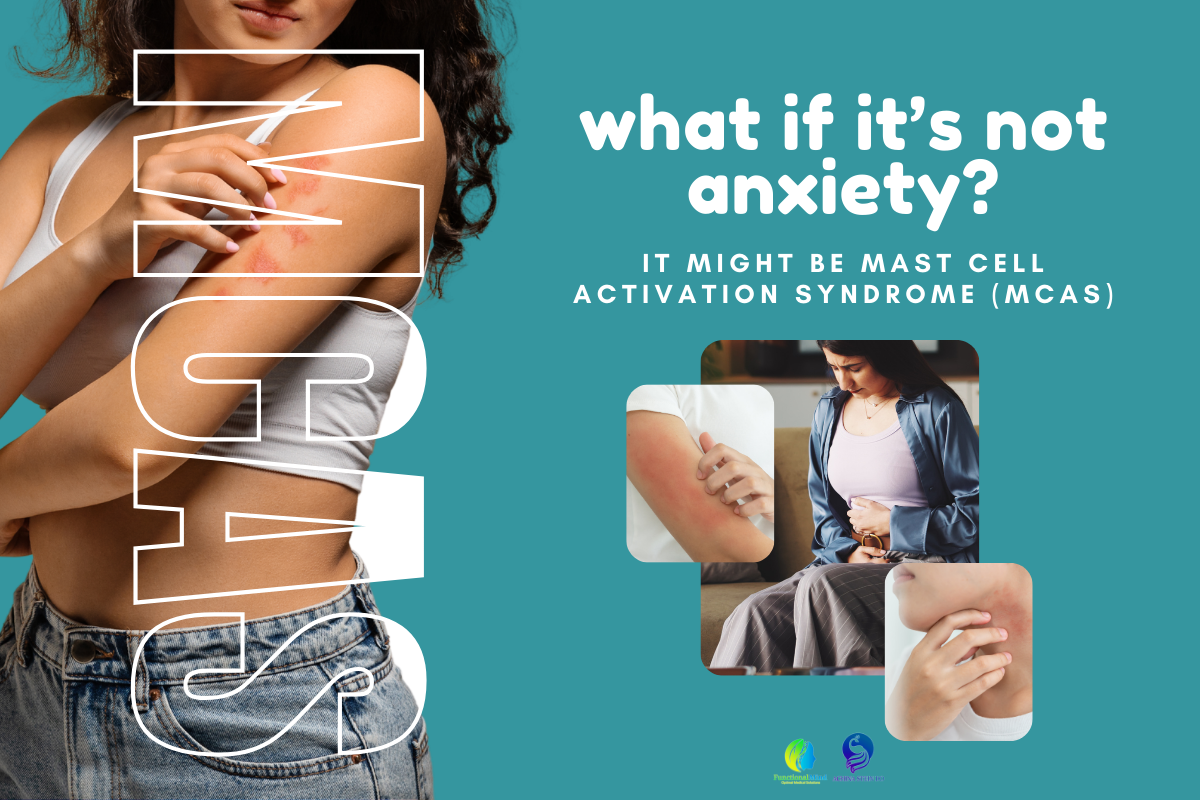
Mast Cell Activation Syndrome (MCAS) is a condition in which mast cells, specialized immune cells, become overactive and release inflammatory chemicals such as histamine inappropriately or excessively.

Under normal circumstances, mast cells protect the body from infections and environmental threats. However, in Mast Cell Activation Syndrome, the immune system’s alarm response becomes hypersensitive. This leads to widespread inflammation affecting multiple organ systems.

Because mast cells are present throughout the body, including the brain, symptoms of Mast Cell Activation Syndrome can be systemic and complex.


Common Symptoms of Mast Cell Activation Syndrome

MCAS symptoms often vary from person to person, but commonly include:
  • Anxiety that feels sudden or disproportionate
  • Brain fog and difficulty concentrating
  • Heart palpitations or rapid heartbeat
  • Flushing or unexplained skin reactions
  • Hives or itching
  • Digestive issues such as bloating, diarrhea, or nausea
  • Sensitivity to foods, smells, chemicals, or temperature changes
  • Fatigue with a “wired but tired” feeling

Because Mast Cell Activation Syndrome affects multiple systems, patients are often evaluated by several specialists without receiving a unifying diagnosis.


Mast Cell Activation Syndrome and Anxiety

The connection between Mast Cell Activation Syndrome and anxiety is rooted in inflammation and histamine release.

Histamine is not only involved in allergic responses — it also acts as a neurotransmitter in the brain. Elevated histamine levels can:
  • Increase anxiety and agitation
  • Disrupt sleep
  • Contribute to irritability
  • Worsen depression
  • Impair cognitive clarity

When mast cells are overactivated, the inflammatory cascade can directly influence brain chemistry. This is why Mast Cell Activation Syndrome anxiety symptoms may not fully respond to conventional psychiatric treatment alone.

Addressing inflammation at the immune level can often lead to improvements in mood stability and mental clarity.


What Triggers Mast Cell Activation Syndrome?

In functional medicine, identifying triggers is essential to stabilizing Mast Cell Activation Syndrome. Common underlying contributors may include:
  • Mold exposure
  • Chronic infections (including viral or tick-borne illnesses)
  • Gut dysbiosis or intestinal permeability
  • Environmental toxins
  • Hormonal shifts
  • Chronic psychological stress

Each of these factors can stimulate mast cells and perpetuate inflammation.

Rather than simply suppressing symptoms, a root cause approach aims to reduce triggers and calm the immune response. Mast Cell Activation Syndrome is often misunderstood, underdiagnosed, and overlooked, especially when symptoms present as anxiety, depression, or brain fog. Yet the immune system and the brain are deeply connected. When mast cells are overactivated, inflammation can disrupt neurotransmitters, stress response pathways, sleep, and cognitive clarity.

If you feel like your symptoms do not fully fit into a traditional psychiatric diagnosis, it may be time to look deeper. Healing begins with asking better questions. If you are ready to explore whether Mast Cell Activation Syndrome may be contributing to your anxiety or mood symptoms, support is available.

📅 Book your FREE 25-minute discovery call: https://fxnmind.com/free-consultation-with-achina

📞 Call Functional Mind LLC: 401-270-4541

WIIND Podcast Episode 109: How Depression Shapes Our Relationship With Food with Gina Worful, MS, RD

Why is being healthy so hard, even when you know exactly what you “should” be doing? In this episode of What If It’s Not Depression?, Gina Worful and I dive into one of the most common struggles I see in my patients: food cravings and the complicated relationship we have with food. This conversation goes far beyond diets, willpower, and discipline, and looks at what’s really happening in the body and brain when change feels overwhelming.
 

What You’ll Learn in this Episode:

  • Why being healthy feels like such a struggle for so many people

  • Gina’s personal story and how it shaped her approach to healing

  • What’s actually happening in the body during low energy, emotional numbness, or overeating

  • How to uncover the deeper root causes behind food cravings

  • How your relationship with food can lead to deeper self-discovery and healing

 
If you’ve ever felt stuck with your health, know this: it’s not about willpower or failure. Your body is trying to help you. By paying attention and being curious, real change can happen. I hope this episode helps you see food and yourself with more kindness and understanding.
 
To your health and happiness,

You can also listen on Spotify:

About Gina Worful, MS, RD

Gina Worful is the founder of the Mastering Mindfulness Institute. Gina is a former registered dietitian who, despite having advanced training in nutrition, struggled herself with cycles of motivation, restriction, and self-sabotage. Through her own journey and years of working with clients, she realized that traditional diet approaches often miss the root cause. Her work now focuses on mindfulness, nervous system regulation, and rebuilding trust with the body.

Connect with Gina Worful, MS, RD:

WIIND Podcast Episode 108: Exosomes are the Songs of Healing with Dr. Edward Park, MD

Many chronic health conditions, including those affecting mood, energy, and cognition, are connected to what is happening at the cellular level. When our cells lose their ability to repair and communicate properly, symptoms can begin to appear throughout the body and brain.

In this episode of What If It’s Not Depression?, I spoke with Dr. Edward Park about an emerging area of regenerative medicine that is gaining a lot of attention: stem cells, exosomes, and cellular healing.


What You’ll Learn in this Episode:

  • Dr. Park’s personal and professional journey
  • What telomeres are and why they matter
  • What stem cells and exosomes are, in clear and simple terms
  • How exosomes are produced
  • Health conditions where exosomes are being explored
  • When exosomes may not be appropriate, and important safety considerations

I hope this episode helps you better understand the science behind healing and why looking deeper than symptoms truly matters.

To your health and happiness,

You can also listen on Spotify:

About Dr. Edward Park, MD

WIIND Podcast Episode 108: Exosomes are the Songs of Healing with Dr. Edward Park, MD - By Functional Mind LLC in RI

Dr. Edward Park is a Harvard-trained physician and a leader in the clinical use of stem cell exosomes. His work began with a personal desire to understand aging and illness at a deeper level. Over time, this led him to focus on telomeres, stem cells, and exosomes, and how they may support healing, recovery, and longevity. He now teaches other medical professionals how to use this science thoughtfully and responsibly.

Healthy Holiday Desserts You Can Enjoy Without Guilt

Healthy holiday desserts don’t have to mean bland flavors or strict deprivation. The holiday season often brings an overload of sugary treats that can disrupt blood sugar, increase inflammation, and negatively impact mood and energy. Fortunately, with the right ingredients, it’s possible to enjoy festive desserts that nourish both the body and the brain.

These healthy holiday dessert recipes focus on whole, nutrient-dense ingredients that support steady energy, brain health, and overall well-being—making it easier to enjoy seasonal treats without feeling weighed down afterward.


Why Choose Healthy Holiday Desserts?

Traditional holiday desserts are often high in refined sugar, processed flour, and inflammatory ingredients. These foods may contribute to:

  • Blood sugar spikes and crashes
  • Increased inflammation
  • Fatigue and brain fog
  • Mood changes
  • Digestive discomfort

Healthy holiday desserts emphasize nutrient-dense ingredients, healthy fats, fiber, and natural sweetness, helping support metabolic balance, brain health, and sustained energy during the holidays.

Healthy Holiday Desserts: Avocado Chocolate Mousse

This rich and creamy chocolate dessert offers indulgence while supporting brain and heart health.

Ingredients

  • 2 ripe avocados
  • 1/4 cup unsweetened cocoa powder
  • 3–4 tablespoons maple syrup
  • 1 teaspoon vanilla extract
  • Pinch of sea salt

Instructions

  1. Blend all ingredients in a food processor until smooth.
  2. Refrigerate for at least 1 hour before serving.
  3. Garnish with berries or cacao nibs if desired.

Health Benefits

  • Healthy fats from avocado support brain and nervous system function
  • Cocoa provides antioxidants for cognitive and cardiovascular health
  • Naturally sweetened to support balanced blood sugar

Healthy Holiday Desserts: Spiced Nut Energy Bites

These no-bake treats are ideal for snacking or gifting during the holidays.

Ingredients

  • 1 cup mixed nuts (almonds, walnuts, cashews)
  • 1 cup pitted dates
  • 1/4 teaspoon cinnamon
  • 1/4 teaspoon nutmeg
  • 1 teaspoon coconut oil (optional)

Instructions

  1. Blend ingredients until sticky.
  2. Roll into 1-inch balls.
  3. Refrigerate until firm.

Health Benefits

  • Nuts provide protein and healthy fats for sustained energy
  • Dates offer fiber and natural sweetness
  • Cinnamon supports healthy blood sugar regulation

Healthy Holiday Desserts: Baked Cinnamon Apples

A warm and comforting dessert that feels indulgent while remaining nutrient-rich.
Ingredients

  • 2 large apples, cored and halved
  • 1 teaspoon cinnamon
  • 2 teaspoons chopped walnuts
  • Optional drizzle of honey or maple syrup

Instructions

  1. Preheat oven to 350°F (175°C).
  2. Place apples on a baking sheet.
  3. Sprinkle with cinnamon and walnuts.
  4. Bake for 20–25 minutes.

Health Benefits

  • Apples provide fiber for gut and metabolic health
  • Cinnamon helps support blood sugar balance
  • Walnuts contain omega-3 fatty acids for brain health

Healthy Holiday Desserts: Turmeric & Coconut Bliss Balls

These golden treats combine anti-inflammatory spices with healthy fats.

Ingredients

  • 1 cup shredded coconut
  • 1/2 cup pitted dates
  • 1 teaspoon turmeric powder
  • 1/4 teaspoon ginger powder
  • 1–2 teaspoons coconut oil (optional)

Instructions

  1. Blend ingredients until combined.
  2. Roll into bite-sized balls.
  3. Chill for 30 minutes before serving.

Health Benefits

  • Turmeric and ginger support inflammation reduction
  • Coconut provides healthy fats for steady energy
  • Naturally sweetened to avoid refined sugar


Are Healthy Holiday Desserts Gluten-Free and Dairy-Free?

  • Gluten-Free: Yes, all recipes are naturally gluten-free
  • Dairy-Free: Yes, no dairy ingredients are used

These healthy holiday desserts are designed to support digestion, reduce inflammation, and promote overall wellness during the holiday season.


Enjoy Healthy Holiday Desserts Without Sacrificing Your Health

Healthy holiday desserts make it possible to celebrate without guilt, sugar crashes, or health imbalances. With thoughtful ingredient choices, desserts can support brain health, mood stability, and energy throughout the season.

📅 Book Your FREE 25-Minute Consultation
👉 https://fxnmind.com/free-consultation-with-achina
📞 Call Functional Mind LLC: 401-270-4541

Healthy Holiday Mocktails

Enjoy the Holidays Without Sacrificing Your Health

Holiday mocktails are a simple, delicious way to celebrate the season without the negative effects of alcohol or sugary drinks. During the holidays, many people experience fatigue, low mood, or disrupted sleep, and what’s in your glass often plays a bigger role than you realize.

Instead of traditional cocktails, choosing brain-friendly holiday mocktails allows you to enjoy festive flavors while supporting your mood, energy, and overall wellness. These alcohol-free drinks are designed to help you feel good during the celebrations — not just recover afterward.

Holiday mocktails made with anti-inflammatory ingredients to support brain health, mood, and energy

Why Choose Brain-Friendly Mocktails?

These mocktails are more than just tasty, they’re functional:

  • 🌿 Anti-inflammatory ingredients help reduce stress on the body.
  • 🧠 Brain-supportive nutrients support mood, focus, and clarity.
  • 💧 Hydrating ingredients maintain steady energy.
  • 🍋 Natural flavors with no added sugar keep you healthy and satisfied.

Simple swaps like alcohol-free, functional mocktails can dramatically improve energy, mood, and sleep, making the holiday season more enjoyable.

Holiday Mocktails Recipes & Benefits

1. Ginger Citrus Clarity Spritzer

Ginger citrus holiday mocktail with lemon, orange, and sparkling water for brain and digestion support

Benefits:

  • Ginger: reduces inflammation and supports digestion
  • Citrus: rich in vitamin C to boost detox and immune support
  • Sparkling water: hydrates and energizes naturally

Ingredients:

  • 1 cup sparkling water
  • 1 tbsp fresh lemon juice
  • 1 tbsp fresh orange juice
  • 4–6 thin slices fresh ginger
  • Optional: 1 tsp honey

Instructions:

  1. Muddle ginger slices in a glass.
  2. Add lemon and orange juice.
  3. Pour in sparkling water and stir gently.
  4. Garnish with a lemon slice or fresh mint.
  5. Serve immediately.

2. Berry Basil Antioxidant Refresher

Berry basil holiday mocktail made with fresh berries and basil for antioxidant and brain health support
Benefits:

  • Berries: antioxidants protect the brain from oxidative stress
  • Basil: supports gut health and digestion
  • Naturally low in sugar, high in flavor

Ingredients:

  • ½ cup mixed berries (fresh or frozen)
  • 4–5 fresh basil leaves
  • ½ lime, juiced
  • 1 cup sparkling water or coconut water

Instructions:

  1. Muddle berries and basil leaves in a glass.
  2. Add lime juice.
  3. Top with sparkling or coconut water.
  4. Stir gently and strain if desired.
  5. Garnish with a few whole berries or basil leaves.

3. Matcha Mint Focus Cooler

Matcha mint holiday mocktail with L-theanine to support focus, calm energy, and mental clarity
Benefits:

  • Matcha: provides calm, sustained energy and supports focus
  • L-theanine (in matcha): promotes mental clarity
  • Mint: aids digestion and freshens the palate

Ingredients:

  • 1 tsp matcha powder
  • 2 tbsp hot water (for whisking matcha)
  • 1 cup cold water or sparkling water
  • Fresh mint leaves
  • Ice

Instructions:

  1. Whisk matcha powder with hot water until smooth.
  2. Fill a glass with ice.
  3. Pour matcha over ice.
  4. Add cold water or sparkling water.
  5. Garnish with fresh mint.


Celebrate and Stay Healthy

There are always ways to enjoy the holidays and maintain your wellness. These alcohol-free, functional mocktails are an easy, delicious way to support mood, energy, and sleep while still feeling festive.

At Functional Mind, we provide functional approaches to mental health and overall wellness. Nutrition, including what you drink, is an essential part of supporting your brain, mood, and energy, especially during the busy holiday season.

📞 Call Functional Mind LLC: 401-270-4541
💻 Book your FREE 25-minute discovery call: fxnmind.com/free-consultation-with-achina

Bounce Back Better: The Unexpected Health Benefits of Rebounding

Rebounding, bouncing gently on a mini-trampoline, is often dismissed as playful or “childish,” but the benefits of rebounding extend far beyond fun. This simple movement offers powerful, often overlooked advantages for both physical and mental wellness.

At Functional Mind LLC, rebounding is recognized as a low-impact, accessible practice that supports brain health, emotional balance, and whole-body vitality.

What Is Rebounding?

Rebounding involves gentle bouncing on a small trampoline. It’s a low-impact exercise suitable for all ages and fitness levels. The up-and-down motion:

  • Stimulates the lymphatic system
  • Improves circulation
  • Engages core and stabilizing muscles

This combination delivers both physical and mental health benefits in just a few minutes a day.


Top Health Benefits of Rebounding

  1. Supports Detoxification & Reduces Inflammation – The bouncing motion stimulates lymph flow, helping the body flush toxins, reduce inflammation, and strengthen the immune system, a cornerstone of functional wellness.
  2. Boosts Mood & Emotional Balance – Rebounding naturally releases endorphins and balances stress hormones, helping reduce anxiety and improve overall emotional well-being.
  3. Enhances Brain Function & Focus – Improved circulation increases oxygen flow to the brain, supporting sharper focus, memory, and cognitive function.
  4. Reduces Stress & Promotes Relaxation – Rhythmic bouncing helps calm the nervous system, shifting the body out of fight-or-flight mode and promoting a sense of calm.
  5. Supports Better Sleep – By reducing stress hormones and promoting relaxation, rebounding can help improve sleep quality and restorative rest.
  6. Increases Energy & Motivation – Even short sessions stimulate cellular energy production, boosting mental and physical vitality throughout the day.
  7.  Improves Balance & Coordination – The subtle adjustments your body makes while bouncing strengthen stabilizer muscles, improve proprioception, and enhance overall coordination.

How to Start a Rebounding Routine

You don’t need long workouts to enjoy the health benefits of rebounding. Just 5–10 minutes a day is enough to experience improved energy, mood, and mental clarity.

Tips for beginners:
  • Start with gentle bounces, keeping feet on the trampoline
  • Focus on posture and core engagement
  • Gradually increase duration or add light arm movements

Rebounding & Functional Medicine

Rebounding complements a functional medicine approach by supporting:
  • Detoxification pathways
  • Mental clarity and cognitive health
  • Mood regulation
  • Mind-body connection

Learn more about our holistic strategies for improving brain health, emotional wellness, and overall vitality on our Services page.


Why You Should Try Rebounding Today

Rebounding is a fun, low-impact exercise with powerful mental and physical health benefits. From detoxifying the body to boosting energy and mood, this often overlooked activity can be an easy, effective addition to your daily routine.

📅 Book your FREE 25-minute Discovery Call: fxnmind.com/free-consultation-with-achina

📞 Call Functional Mind LLC: 401-270-4541

Start rebounding today and experience the many benefits for your mind and body!

Oral Health and Brain Health: The Critical Connection You Shouldn’t Ignore

Most people think of brushing and flossing as basic daily habits to prevent cavities — but your oral health influences far more than your smile. Strong research now shows a significant link between oral health and brain health, revealing that the state of your mouth directly affects cognitive function, inflammation, and long-term brain wellness.

A new Yale study highlights this connection by showing that individuals with poor oral health — or even a genetic predisposition to it — experienced greater damage to the brain’s white matter after a stroke. Because white matter controls memory, focus, and communication within the brain, damage in this area can accelerate cognitive decline.

So how does the mouth impact the brain so profoundly? The answer lies in chronic inflammation, hidden infections, and imbalances in the oral microbiome — all central to the oral health and brain health connection.


How Oral Health Impacts the Brain

Your mouth contains millions of bacteria. Some are helpful, but others can trigger inflammation when they grow out of balance. When harmful bacteria flourish due to gum disease, poor hygiene, or unresolved dental issues, they can enter the bloodstream and travel to the brain.

Once there, these bacteria and inflammatory markers can:

  • Disrupt white matter function

  • Cause brain fog

  • Impair memory

  • Increase stroke and cognitive decline risks

  • Worsen mood and mental clarity

Hidden dental infections amplify this problem dramatically. Issues such as cavitations, abscesses, jawbone infections, and infected root canals may not cause pain — yet they can silently fuel inflammation for years, affecting both oral health and brain health.

CBCT Scans: The Best Tool for Detecting Hidden Oral Infections

Most patients never discover these issues because standard dental X-rays often miss them.
A CBCT (Cone Beam Computed Tomography) scan offers a 3D view of the jaw and is the most accurate method for identifying hidden infections that impact oral health and brain health.

CBCT scans can detect:

  • Cavitations

  • Chronic abscesses

  • Infected or failing root canals

  • Jawbone deterioration

  • Silent inflammation

This makes CBCT imaging critical for uncovering root causes behind chronic fatigue, brain fog, mood changes, or persistent inflammation.

Another overlooked factor in the oral health and brain health connection is metal exposure. Having two or more different metals in the mouth — especially silver amalgams — can create galvanic currents, disrupt the oral microbiome, and increase the risk of chronic inflammation and infection.


How to Support Both Oral Health and Brain Health

Improving your mouth is one of the most effective ways to protect your brain. Here are key steps:

1. Brush and Floss Daily

Strong oral hygiene prevents bacterial overgrowth.

2. Reduce Sugar and Processed Foods

Sugar fuels harmful bacteria that trigger inflammation.

3. Stay Hydrated

Saliva helps regulate the oral microbiome.

4. Eat Nutrient-Dense Foods

Vitamin C, zinc, antioxidants, and omega-3s support gum and brain function.

5. Try Natural Supportive Practices

Oil pulling, tongue scraping, and water flossers help reduce harmful bacteria.

By supporting both oral health and brain health, you strengthen memory, mental clarity, and long-term cognitive resilience.


A Healthy Mouth Supports a Healthy Mind

Your mouth is a direct reflection of your brain’s inner workings. When you address hidden infections, reduce inflammation, and optimize oral health, you give your brain the support it needs to function at its best.

Get Root-Cause Support with Dr. Achina Stein at Functional Mind LLC

If you’re experiencing brain fog, mood changes, fatigue, or cognitive decline, your oral health may be part of the root cause.
Dr. Achina Stein and Functional Mind LLC specialize in identifying the deeper issues — including hidden oral infections — that influence mental and physical health.

📞 Call: 401-270-4541
📅 Book your FREE 25-minute discovery call:
fxnmind.com/free-consultation-with-achina
Take the next step toward clearer thinking, a better mood, and whole-body wellness.

1 2 3 4 5