Environmental Exposures and Autism: Understanding Toxicant-Induced Loss of Tolerance (TILT)
Environmental Exposures and Autism: Understanding Toxicant-Induced Loss of Tolerance (TILT)
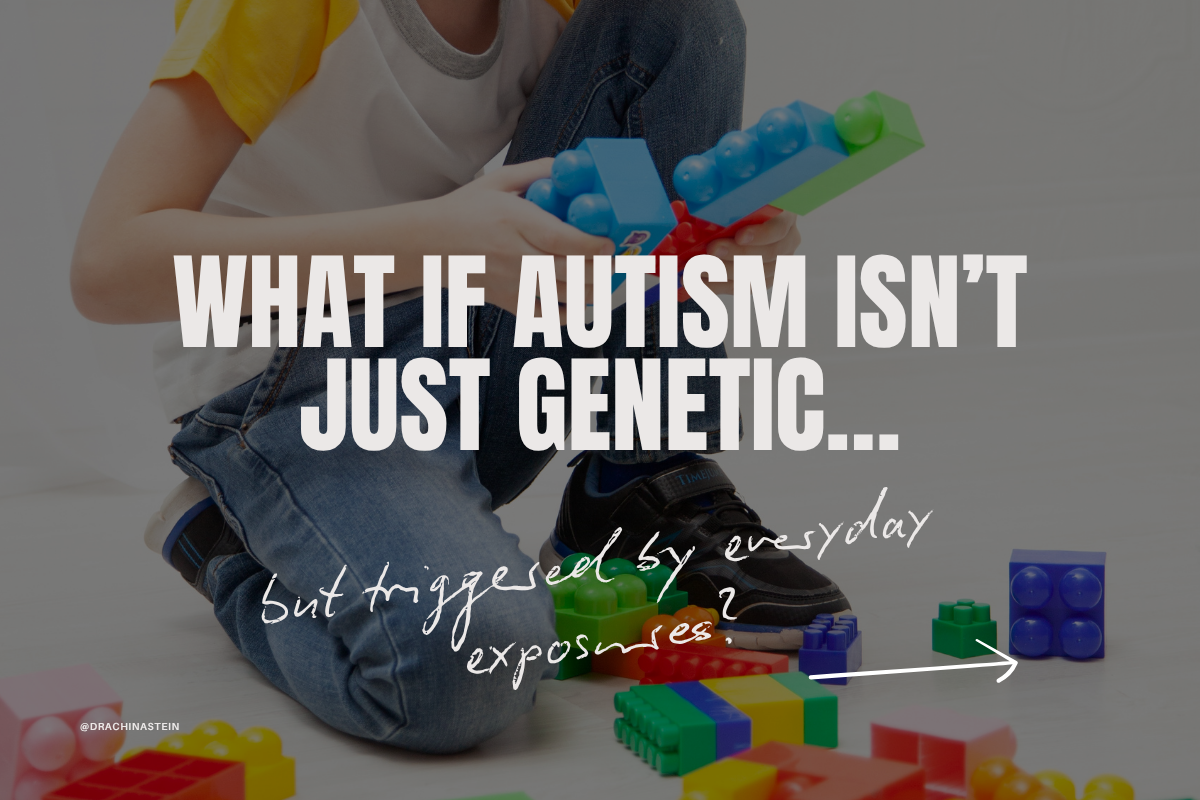
What if some symptoms we label as autism are influenced not only by genetics, but also by environmental exposures?
For decades, autism spectrum disorder has primarily been viewed through a genetic lens. While genetics absolutely play a role, emerging research suggests that environmental factors may also significantly impact brain development, neurological function, and overall health.
At Functional Mind LLC, we take a root-cause approach to mental health and neurodevelopment. This means exploring how environmental toxins, immune dysfunction, inflammation, nutrition, and detoxification pathways may contribute to symptoms affecting both children and adults.
One area gaining increasing attention is Toxicant-Induced Loss of Tolerance (TILT).
What Is Toxicant-Induced Loss of Tolerance (TILT)?
Toxicant-Induced Loss of Tolerance, or TILT, is a theory developed to explain why certain individuals become increasingly sensitive to everyday chemicals, foods, medications, and environmental exposures after a significant toxic exposure.
These exposures may include:
- Pesticides
- Mold exposure
- Indoor air pollutants
- Fragrances and cleaning chemicals
- Paints and solvents
- Smoke exposure
- Certain medications or anesthetics
Once the body loses tolerance, even low-level exposures can trigger symptoms involving multiple body systems.
This process may overwhelm the:
- Nervous system
- Immune system
- Endocrine system
- Detoxification pathways
As a result, individuals may experience cognitive, emotional, behavioral, and physical symptoms that significantly impact quality of life.
The Connection Between Environmental Exposures and Autism
Research surrounding environmental exposures and autism continues to grow. Scientists are increasingly studying how toxins may affect neurodevelopment, especially during pregnancy and early childhood.
Children are particularly vulnerable because their brains, immune systems, and detoxification systems are still developing.
Environmental triggers may contribute to:
- Sensory sensitivities
- Mood dysregulation
- Behavioral changes
- Attention and focus difficulties
- Gastrointestinal symptoms
- Sleep disturbances
- Immune dysfunction
In some individuals, these patterns overlap with symptoms commonly associated with autism spectrum disorder.
This does NOT mean autism is caused by a single environmental factor. Autism is complex and multifactorial. However, environmental influences may play an important role in susceptible individuals.
As many researchers now acknowledge:
“Genetics may load the gun, but the environment pulls the trigger.”
Why Indoor Air Quality Matters
One of the most overlooked contributors to chronic symptoms is indoor air pollution.
Most people spend nearly 90% of their lives indoors, where exposure to volatile organic compounds (VOCs), mold spores, synthetic fragrances, and chemical residues can accumulate.
Common indoor toxin sources include:
- New carpeting and furniture
- Air fresheners and scented candles
- Cleaning products
- Mold and water damage
- Paints and adhesives
- Pesticide residues
Poor indoor air quality can place chronic stress on the brain and body, especially in chemically sensitive individuals.
Improving indoor air quality is often one of the first foundational steps in reducing total toxic burden.
Signs of Chemical Sensitivity and TILT
Some individuals may experience symptoms triggered by everyday exposures that others tolerate without difficulty.
Possible signs include:
- Headaches or brain fog after fragrances
- Behavioral changes after certain foods
- Fatigue after chemical exposure
- Sensitivity to cleaning products or perfumes
- Mood swings or irritability
- Food cravings or food intolerances
- Difficulty concentrating
- Worsening symptoms in certain environments
These patterns are often dismissed or misunderstood, yet they may provide important clues about underlying environmental stressors affecting the body.
A Functional Medicine Approach to Autism and Environmental Health
At Functional Mind LLC, we believe symptoms are messages—not random malfunctions.
Rather than focusing only on symptom suppression, Functional Medicine seeks to identify and address underlying contributors to illness and neurodevelopmental challenges.
This may include evaluating:
Environmental Triggers
Identifying exposures to mold, chemicals, heavy metals, and indoor pollutants.
Nutritional Status
Assessing nutrient deficiencies that affect brain health, detoxification, and mitochondrial function.
Immune and Inflammatory Patterns
Exploring chronic inflammation, immune dysregulation, and gut-brain interactions.
Detoxification Pathways
Supporting the body’s natural ability to process and eliminate toxins.
By reducing total toxic burden and supporting foundational health systems, some individuals experience meaningful improvements in mood, cognition, behavior, and overall well-being.
Practical Ways to Reduce Environmental Toxic Burden
Small changes can make a meaningful difference over time.
Consider:
- Using fragrance-free products
- Improving home ventilation
- Choosing non-toxic cleaning products
- Avoiding unnecessary pesticide use
- Using HEPA air filtration systems
- Selecting low-VOC paints and furniture
- Prioritizing whole, minimally processed foods
- Addressing mold and water damage promptly
Reducing environmental stressors helps create a healthier foundation for the brain and body.
Looking Beyond “Everything Looks Normal”
Many individuals struggling with chronic symptoms are told their labs are “normal” despite ongoing difficulties.
But normal does not always mean optimal.
If you or your child experiences sensitivities to foods, smells, chemicals, or environments, it may be worth exploring a deeper, more personalized approach.
At Functional Mind LLC, we believe healing begins by asking better questions.
? Call Functional Mind LLC: 401-270-4541
? Book your FREE discovery call: https://fxnmind.com/free-consultation-with-achina/