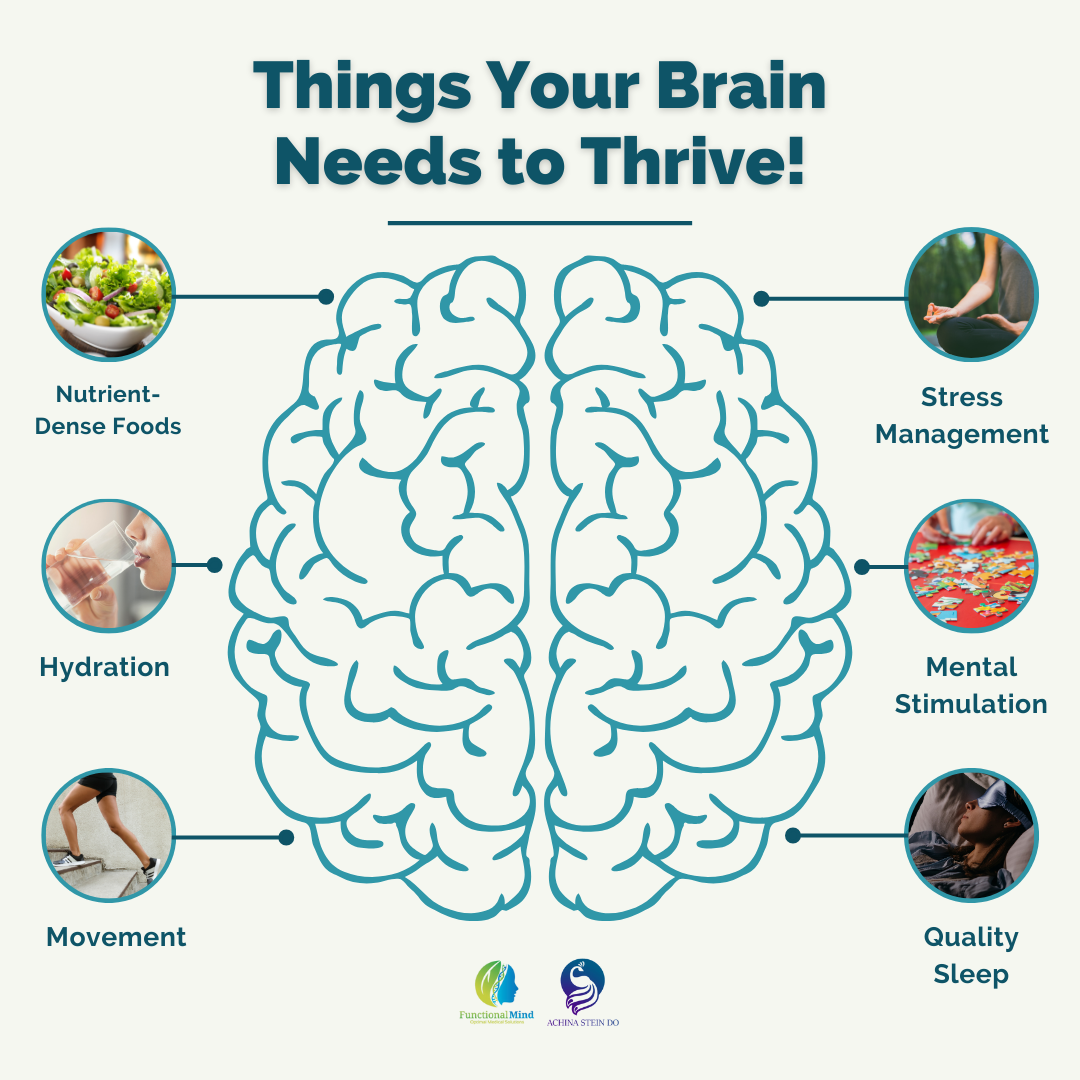
Things Your Brain Needs
The good news? You have the power to protect and optimize your brain function through simple lifestyle changes! Below are 7 essential habits to support long-term brain health and improve mental clarity naturally.
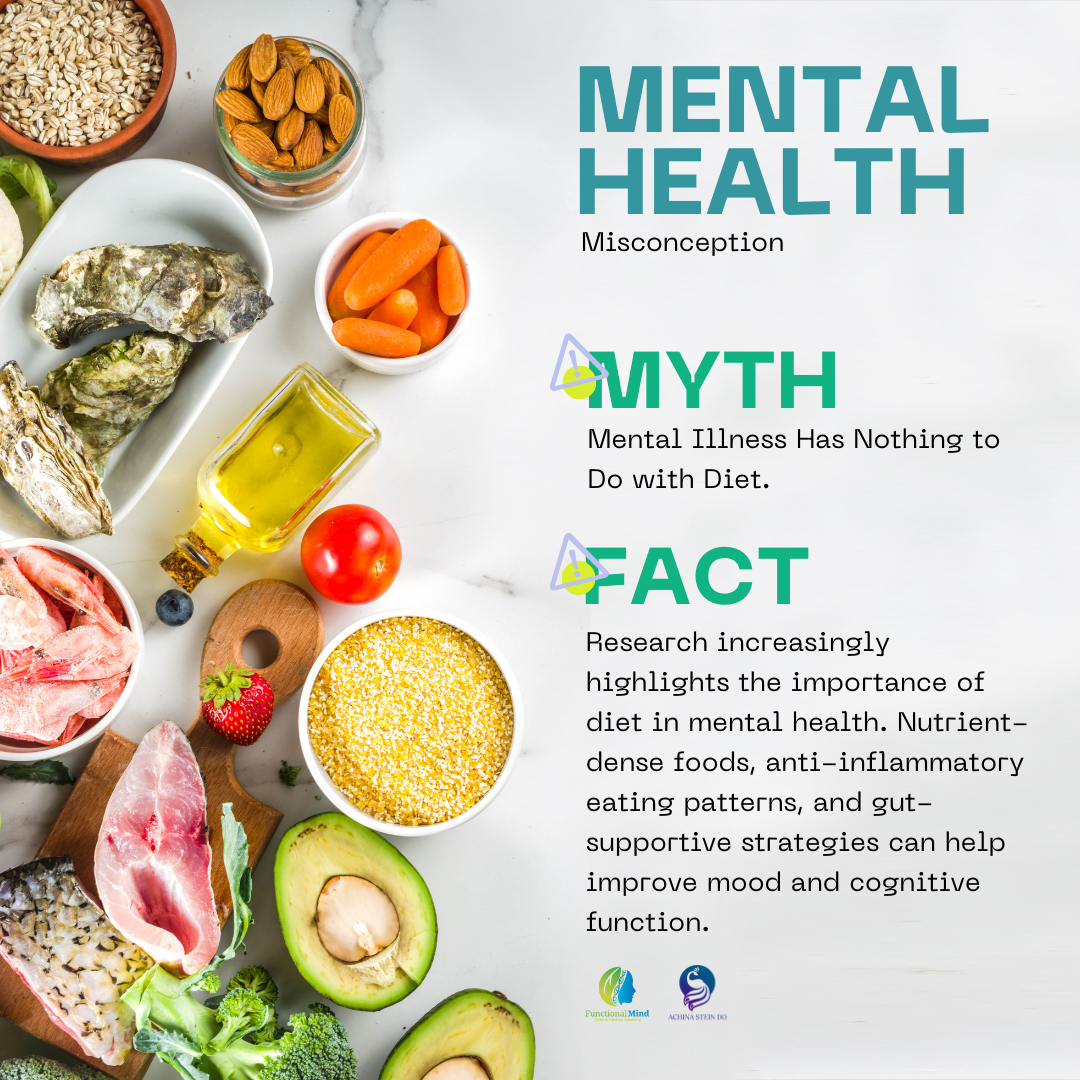
 Eat Brain-Boosting Foods


Your diet directly impacts your brain function. Healthy fats, antioxidants, and essential nutrients keep your mind sharp, reduce inflammation, and support memory. Here’s what to include:
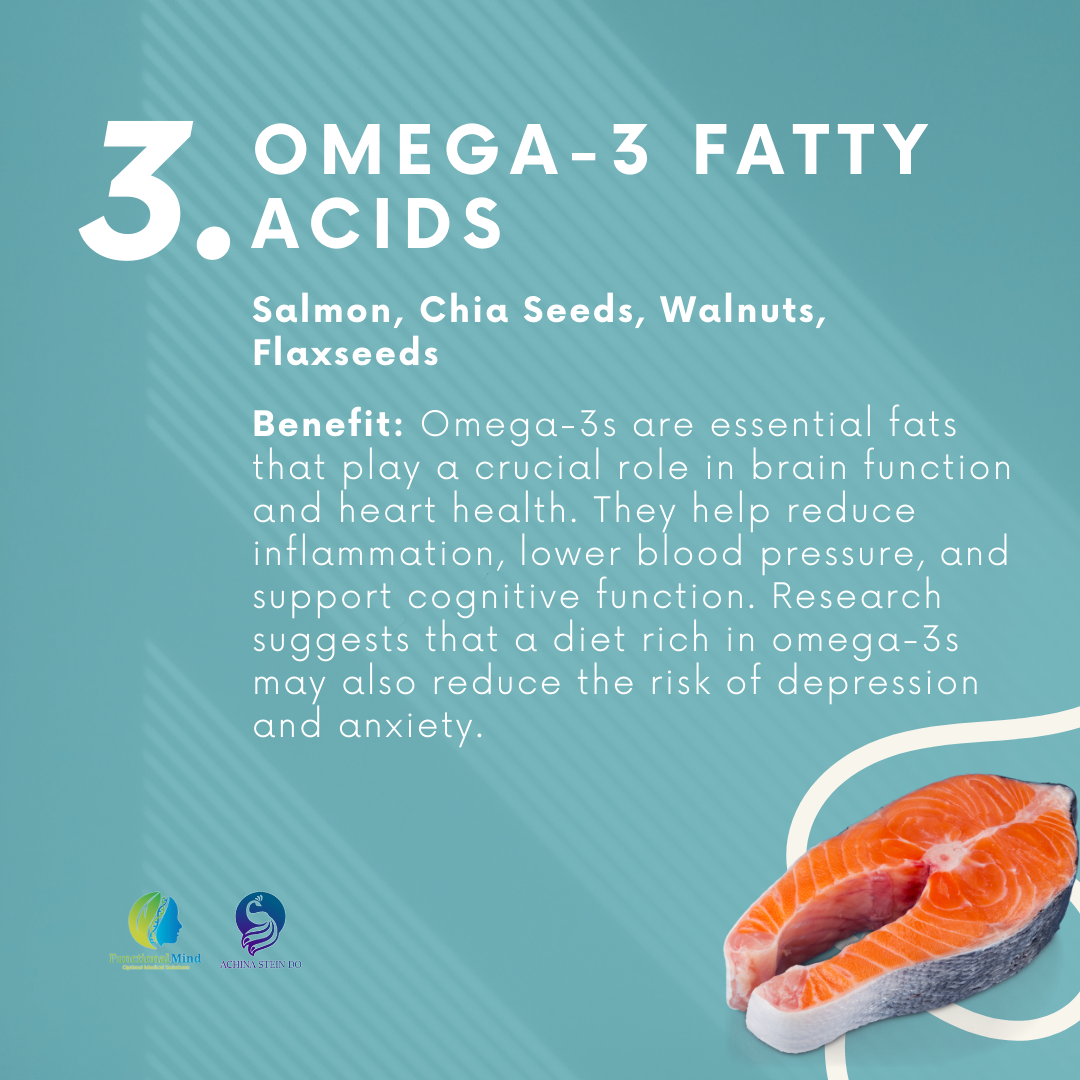
 Omega-3 fatty acids from wild-caught fish, flaxseeds, walnuts, and chia seeds help protect brain cells.
Leafy greens (spinach, kale, arugula) contain vitamins that support cognitive function and slow aging.
Berries (blueberries, strawberries, blackberries) are packed with antioxidants that reduce brain inflammation.
Nuts & seeds provide vitamin E, which helps prevent cognitive decline.
Minimize processed foods, refined sugar, and unhealthy fats to avoid brain fog and mental sluggishness.
 Stay Hydrated
 Tip: Aim for at least half your body weight in ounces of water daily to keep your brain cells firing optimally!
 Prioritize Quality Sleep
Your brain detoxes, repairs, and strengthens memory while you sleep. Lack of rest increases stress hormones, weakens focus, and accelerates cognitive decline.
 Get 7-9 hours of quality sleep to improve problem-solving, emotional balance, and long-term brain health.
Reduce screen time before bed—blue light disrupts melatonin production and sleep quality.
Create a bedtime routine with relaxation techniques like deep breathing or meditation.
 Move Your Body Daily
Exercise is one of the most powerful tools for brain health! It increases oxygen and blood flow, stimulates neurogenesis (new brain cell growth), and reduces stress hormones.
 What works best?
Cardio workouts (walking, running, cycling) enhance memory and focus.
Strength training improves cognitive function by increasing blood flow to the brain.
Yoga and stretching reduce stress and improve mental clarity.
Even a 30-minute walk can enhance creativity, boost mood, and lower anxiety!
 Manage Stress & Reduce Cortisol Levels
Chronic stress can shrink brain cells, impair memory, and increase the risk of depression and anxiety. Managing stress is crucial for long-term mental clarity and emotional resilience.
Practice mindfulness & meditation to rewire the brain for calmness.
Deep breathing exercises lower cortisol and improve focus.
Time in nature helps balance stress hormones and supports mental clarity.
Journaling & gratitude practices enhance emotional well-being.
 Keep Learning & Challenge Your Brain
Your brain thrives on challenges! Lifelong learning strengthens neural connections, prevents cognitive decline, and enhances memory.
Engaging in brain-boosting activities:
Read books, listen to podcasts, or take an online course.
Solve puzzles, and crosswords, or play strategy-based games.
Learn a new language or instrument to build new neural pathways.
Studies show that mentally active people reduce their risk of dementia by up to 30%!
 Stay Socially Connected
Make time for meaningful conversations and quality time with family and friends. Join a community or group that shares your interests. Laughter and deep connections increase serotonin and dopamine levels, improving overall happiness and brain health.
Why Investing in Your Brain Health is Essential
Taking small, intentional steps daily—through nutrition, hydration, sleep, exercise, stress management, continuous learning, and social connections—can significantly improve your brain function and overall quality of life.