Gut-Brain Connection: Could Your Gut Be Causing Brain Fog?
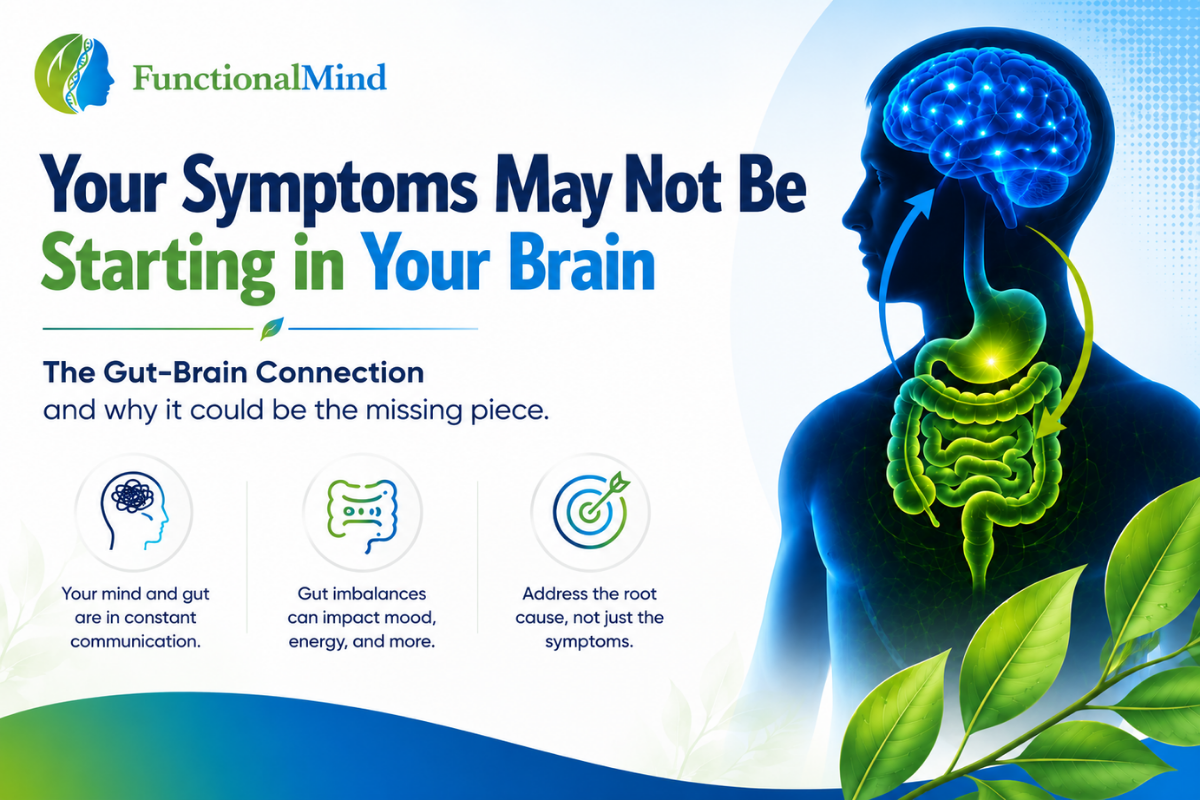
Your Anxiety, Fatigue, or Brain Fog May Not Be Starting in Your Brain
By Vin Petronelli, MSN, APRN, FNP-BC
Most people think symptoms like anxiety, depression, fatigue, headaches, skin issues, or brain fog start in the brain. The current thinking in conventional medicine is to refer to a psychiatrist. However, one of the most overlooked drivers of these symptoms may actually be the gut.
This is what we call the Gut- Brain Connection or the gut-brain axis. This is a constant two-way communication system between the digestive system and the brain that impacts the entire body, including regulating inflammation, immune function, neurotransmitters, hormones, and even mood.
In fact, a large percentage of the “happy hormone” serotonin is actually produced in the gut. When the gut becomes inflamed or imbalanced, the effects can extend far beyond digestion and may contribute to a variety of symptoms, including skin rashes, joint pain, frequent infections, fatigue, and, of course, anxiety/depression.
At Functional Mind, we commonly see patients struggling with issues like bloating, reflux, gas, constipation, diarrhea, fatigue, anxiety, headaches, skin rashes, acne, joint pain, and poor recovery. Many have already seen multiple providers and tried symptom-based treatments, yet the root issue may still be unresolved.
Several gut-related conditions can contribute to these symptoms. Dysbiosis, which is an imbalance of intestinal bacteria, is extremely common and can drive inflammation throughout the body. Pathogens or parasites may interfere with digestion and immune function. Digestive enzyme insufficiencies can impair nutrient absorption, leading to fatigue and poor recovery. Conditions like IBS, IBD, or increased intestinal permeability (“leaky gut”) may create chronic immune activation that impacts the brain, skin, and joints.
One area that is often overlooked is medications. Some of the most commonly used meds can significantly impact gut health. Antibiotics may wipe out beneficial bacteria alongside harmful bacteria. NSAIDs like ibuprofen can irritate the intestinal lining. Proton pump inhibitors (PPIs) such as omeprazole alter stomach acid, which alters digestion and microbial balance, and can reduce micronutrient absorption. Corticosteroids like prednisone can also disrupt the gut environment and immune function.
Another commonly overlooked contributor is gallbladder dysfunction. The gallbladder helps release bile, which is critical for digesting fats and supporting healthy bowel function. Poor bile flow may contribute to bloating, reflux, nausea, food sensitivities, and difficulty tolerating fatty meals. It can also impact the microbiome and nutrient absorption over time.
One of the biggest differences in functional medicine is that we ask a different question. Instead of simply asking, “How do we suppress the symptom?” we ask, “Why is this happening in the first place?”
That often involves a more comprehensive evaluation. Depending on the individual, testing may include advanced stool analysis, inflammatory markers, nutritional assessments, or evaluations of digestion and microbiome balance. The goal is not simply to manage symptoms, but rather to identify the root cause.
Treatment is rarely about one supplement or one medication. Healing the gut often requires a structured and individualized process. In many cases, we use a phased approach over several months.
The gut is not separate from the rest of the body. It is deeply connected to how we think, feel, recover, and function. Sometimes the path to better energy, clearer thinking, improved mood, and reduced inflammation starts by looking where most people are not looking: the gut.
If anything I’ve said here resonates with you and you’re ready to jump in, book a free Discovery Call with me, Vin Petronelli, FNP-BC, at our website, Functional Mind LLC here: https://fxnmind.com/book-your-free-discover-call-with-vincent-petronelli/