Orthosomnia: When Sleep Trackers Increase Sleep Anxiety
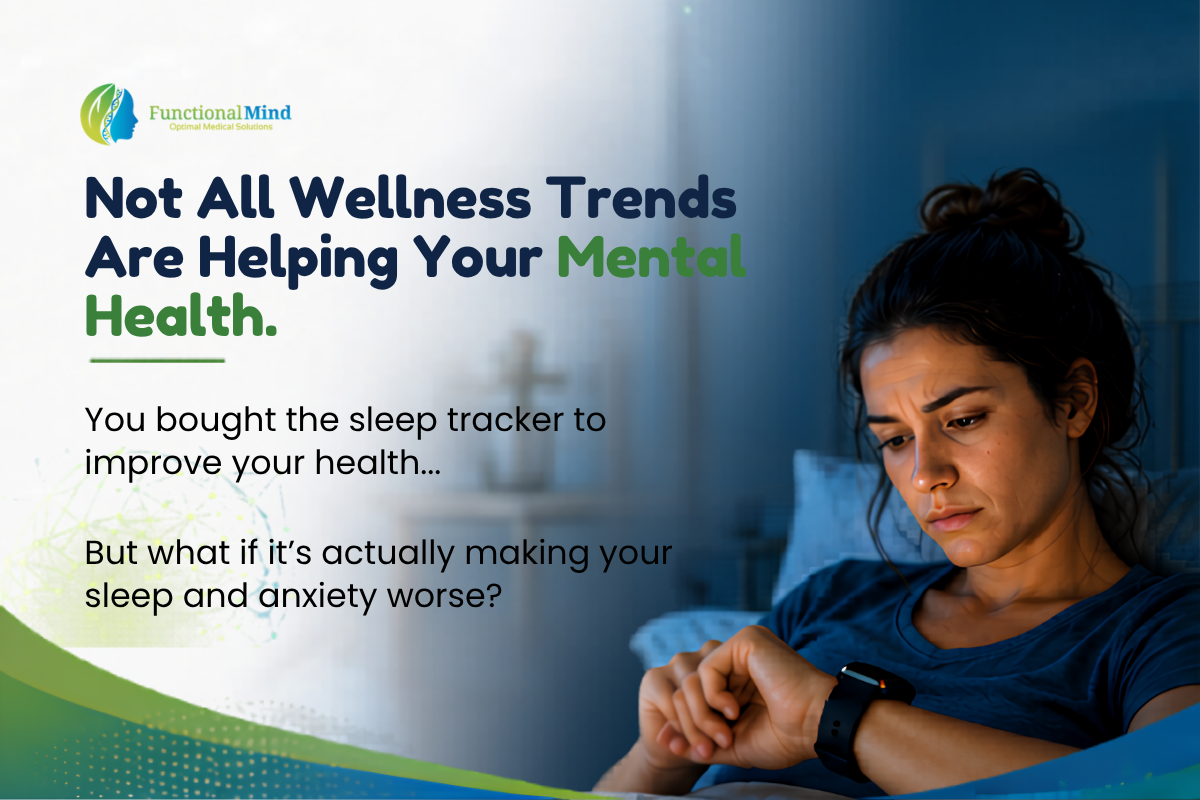
Sleep has become one of the hottest topics in the wellness world. From sleep-tracking watches and smart rings to apps that analyze every movement throughout the night, technology promises to help us unlock better rest and better health.
For many people, these tools can be helpful. They can provide insights into sleep habits, encourage consistency, and help identify patterns that may be affecting sleep quality.
But what happens when tracking sleep becomes a source of stress?
This is where orthosomnia enters the conversation.
Orthosomnia is a growing phenomenon in which the pursuit of “perfect” sleep creates anxiety, frustration, and even poorer sleep quality. Ironically, the very tools designed to improve sleep can sometimes make it harder to achieve.
If you’ve ever woken up, checked your sleep score, and immediately felt worried about how your day would go, you’re not alone. Understanding orthosomnia can help you develop a healthier relationship with sleep, technology, and your overall mental well-being.
What Is Orthosomnia?
The term orthosomnia combines the Greek word ortho (meaning correct or proper) with somnia (sleep). It describes an unhealthy preoccupation with achieving perfect sleep metrics, often driven by data from wearable devices and sleep-tracking technology.
People experiencing orthosomnia may become fixated on:
- Sleep scores
- Hours slept
- Deep sleep percentages
- REM sleep measurements
- Sleep efficiency ratings
- Heart rate variability (HRV) data
While these metrics can offer useful information, they are estimates—not absolute measures of health.
The problem begins when individuals place more trust in the data than in their own lived experience.
For example, someone may wake up feeling rested and energized. However, after seeing a low sleep score on their device, they suddenly begin to feel tired, worried, or discouraged. The number becomes more influential than how they actually feel.
Over time, this can create a cycle of stress that negatively affects both sleep and mental health.
Why Sleep Matters So Much to Mental Health
Sleep is one of the foundational pillars of physical and emotional wellness.
Quality sleep supports:
- Emotional regulation
- Memory consolidation
- Learning and cognitive performance
- Stress resilience
- Hormonal balance
- Immune function
- Mood stability
When sleep suffers, mental health often suffers alongside it.
Research consistently shows associations between poor sleep and conditions such as:
- Anxiety
- Depression
- Burnout
- Irritability
- Difficulty concentrating
- Increased stress sensitivity
Because sleep is so important, it’s understandable that people want to optimize it. The challenge arises when optimization turns into obsession.
How Orthosomnia Creates Sleep Anxiety
One of the most significant consequences of orthosomnia is the development of sleep anxiety.
Sleep anxiety occurs when concerns about sleep itself become a source of stress.
Instead of approaching bedtime with relaxation, people begin to think:
- “What if I don’t get enough deep sleep tonight?”
- “What if my sleep score drops again?”
- “What if tomorrow is ruined because I slept poorly?”
These thoughts can create a self-fulfilling cycle.
The more pressure we place on ourselves to sleep perfectly, the harder it becomes to relax enough for restorative sleep.
This shift can transform bedtime from a natural biological process into a nightly performance evaluation.
The Brain Science Behind Orthosomnia
To understand why orthosomnia can be so disruptive, it helps to look at what happens inside the brain.
Hypervigilance and the Nervous System
Healthy sleep requires the body to transition into a state of safety and relaxation.
However, when we’re worried about sleep, the brain can become hypervigilant.
Hypervigilance is a state of increased alertness in which the brain constantly scans for potential threats or problems.
Although originally designed as a survival mechanism, hypervigilance can interfere with sleep.
When the brain perceives sleep performance as something to monitor and control, it may activate the sympathetic nervous system—the body’s “fight-or-flight” response.
As a result:
- Heart rate may increase
- Cortisol levels may rise
- Mental chatter may intensify
- Physical tension may increase
These changes make it more difficult to fall asleep and stay asleep.
The Cortisol Connection
Cortisol is often referred to as the body’s primary stress hormone.
Under normal circumstances, cortisol levels decrease in the evening to prepare the body for sleep.
But when anxiety about sleep increases, cortisol can remain elevated.
Higher cortisol levels can contribute to:
- Difficulty falling asleep
- Frequent nighttime awakenings
- Lighter sleep
- Reduced feelings of restfulness
Ironically, worrying about sleep can create the very sleep problems we’re trying to avoid.
Are Sleep Trackers Bad?
The answer is no.
Sleep trackers themselves are not the problem.
In fact, many people benefit from wearable technology and gain valuable insights into their habits.
Sleep trackers can help identify patterns such as:
- Inconsistent bedtimes
- Alcohol’s effect on sleep
- The impact of exercise timing
- Sleep duration trends
- Lifestyle factors affecting recovery
The issue is not the technology.
The issue is the relationship we develop with the technology.
When sleep data becomes a source of curiosity and awareness, it can be helpful.
When sleep data becomes a source of fear, judgment, or self-criticism, it can become harmful.
Signs You May Be Developing Orthosomnia
You may be experiencing orthosomnia if:
You Check Your Sleep Data Immediately Every Morning
The first thing you do upon waking is look at your sleep score.
Your mood for the day becomes dependent on what the device reports.
You Feel Anxious Before Bed
You worry about whether you’ll achieve a “good” sleep score.
Bedtime starts feeling like a test you must pass.
You Distrust How You Feel
Even when you feel rested, you believe the device over your own experience.
Sleep Data Impacts Your Mood
A low score causes frustration, discouragement, or anxiety throughout the day.
You Constantly Try to “Fix” Your Sleep
You continuously add supplements, gadgets, routines, and protocols in pursuit of perfect metrics.
What Actually Defines Healthy Sleep?
One of the most important truths about sleep is that it is not measured by a single number.
Healthy sleep is reflected in your overall functioning and quality of life.
Consider questions such as:
- Do I generally feel rested?
- Can I focus during the day?
- Is my mood relatively stable?
- Am I able to manage stress effectively?
- Do I have energy for activities I enjoy?
These real-world indicators often tell us more than any sleep score ever could.
Your body is not a spreadsheet.
Human health is far more complex and nuanced than a collection of nightly metrics.
Building a Healthier Relationship With Sleep
If you recognize signs of orthosomnia in yourself, don’t panic.
The goal isn’t to abandon technology.
The goal is to create balance.
Use Data as Information, Not Judgment
Treat sleep metrics as one piece of information rather than a definitive assessment of your health.
Focus on Sleep Habits Instead of Sleep Scores
Prioritize behaviors you can control:
- Consistent bedtime
- Morning sunlight exposure
- Physical activity
- Stress management
- Limiting caffeine late in the day
Practice Self-Trust
Your subjective experience matters.
Learning to trust your body’s signals can reduce anxiety and support healthier sleep.
Let Go of Perfection
There is no such thing as perfect sleep.
Even healthy sleepers experience occasional restless nights.
A single night’s sleep rarely determines long-term health outcomes.
The Real Goal: A Healthy Relationship With Sleep
In today’s wellness culture, it’s easy to believe that every aspect of health must be optimized.
But true wellness isn’t about perfection.
It’s about balance.
It’s about creating habits that support your physical, emotional, and mental well-being without becoming trapped by numbers, metrics, or unrealistic expectations.
Sleep should be restorative.
It should be a source of healing, not another source of pressure.
If tracking your sleep leaves you feeling worried, frustrated, or discouraged, it may be worth examining not only the data itself but also your relationship with the data.
Because ultimately, the goal isn’t perfect sleep.
The goal is a healthy relationship with sleep.
Ready to Take a More Holistic Approach to Mental Wellness?
If anxiety, stress, sleep challenges, or burnout are affecting your quality of life, Functional Mind can help you explore the root causes and develop personalized strategies for lasting wellness.
To schedule an appointment, call 401-270-4541 or book a free discovery call with Dr. Achina Stein at:
https://fxnmind.com/free-consultation-with-achina/
Have you ever changed how you felt about your day based solely on a sleep score? We’d love to hear your experience.