Mast Cell Activation Syndrome and Anxiety | Root Cause Mental Health
Mast Cell Activation Syndrome: An Overlooked Cause of Anxiety and Brain Fog
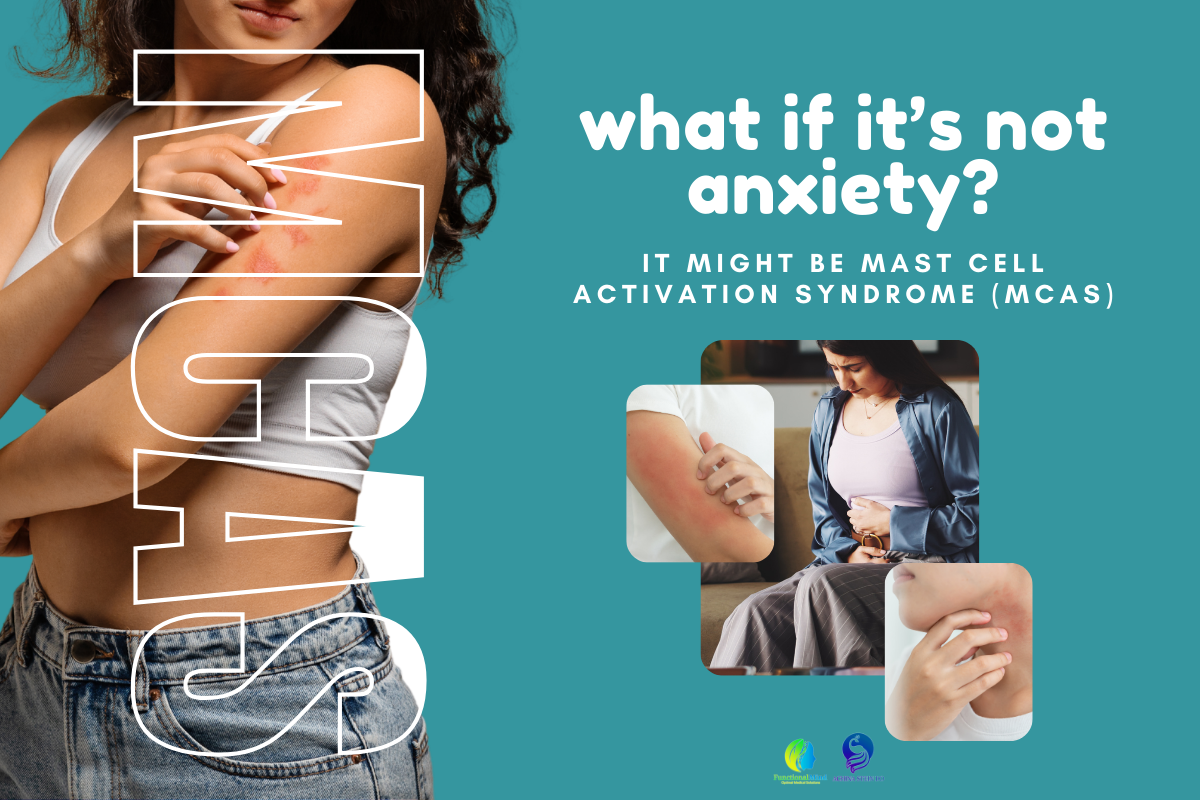
Mast Cell Activation Syndrome may be one of the most overlooked drivers of anxiety, brain fog, and unexplained inflammatory symptoms. Many patients are told their lab results are “normal,” yet they continue to experience racing thoughts, heart palpitations, digestive distress, skin reactions, and mood instability. When symptoms do not fit neatly into a psychiatric diagnosis, it is important to consider whether immune system dysregulation may be contributing.
In functional medicine psychiatry, we ask a different question: could Mast Cell Activation Syndrome be triggering both physical and emotional symptoms?
What Is Mast Cell Activation Syndrome?
Mast Cell Activation Syndrome (MCAS) is a condition in which mast cells, specialized immune cells, become overactive and release inflammatory chemicals such as histamine inappropriately or excessively.
Under normal circumstances, mast cells protect the body from infections and environmental threats. However, in Mast Cell Activation Syndrome, the immune system’s alarm response becomes hypersensitive. This leads to widespread inflammation affecting multiple organ systems.
Because mast cells are present throughout the body, including the brain, symptoms of Mast Cell Activation Syndrome can be systemic and complex.
Common Symptoms of Mast Cell Activation Syndrome
- Anxiety that feels sudden or disproportionate
- Brain fog and difficulty concentrating
- Heart palpitations or rapid heartbeat
- Flushing or unexplained skin reactions
- Hives or itching
- Digestive issues such as bloating, diarrhea, or nausea
- Sensitivity to foods, smells, chemicals, or temperature changes
- Fatigue with a “wired but tired” feeling
Because Mast Cell Activation Syndrome affects multiple systems, patients are often evaluated by several specialists without receiving a unifying diagnosis.
Mast Cell Activation Syndrome and Anxiety
The connection between Mast Cell Activation Syndrome and anxiety is rooted in inflammation and histamine release.
- Increase anxiety and agitation
- Disrupt sleep
- Contribute to irritability
- Worsen depression
- Impair cognitive clarity
When mast cells are overactivated, the inflammatory cascade can directly influence brain chemistry. This is why Mast Cell Activation Syndrome anxiety symptoms may not fully respond to conventional psychiatric treatment alone.
Addressing inflammation at the immune level can often lead to improvements in mood stability and mental clarity.
What Triggers Mast Cell Activation Syndrome?
- Mold exposure
- Chronic infections (including viral or tick-borne illnesses)
- Gut dysbiosis or intestinal permeability
- Environmental toxins
- Hormonal shifts
- Chronic psychological stress
Each of these factors can stimulate mast cells and perpetuate inflammation.
Rather than simply suppressing symptoms, a root cause approach aims to reduce triggers and calm the immune response. Mast Cell Activation Syndrome is often misunderstood, underdiagnosed, and overlooked, especially when symptoms present as anxiety, depression, or brain fog. Yet the immune system and the brain are deeply connected. When mast cells are overactivated, inflammation can disrupt neurotransmitters, stress response pathways, sleep, and cognitive clarity.
If you feel like your symptoms do not fully fit into a traditional psychiatric diagnosis, it may be time to look deeper. Healing begins with asking better questions. If you are ready to explore whether Mast Cell Activation Syndrome may be contributing to your anxiety or mood symptoms, support is available.