
What Is Heart Rate Variability (HRV)?
Heart Rate Variability (HRV) is one of the most important markers for understanding your stress levels, recovery, and overall mind-body health. More than just a fitness metric, HRV reveals how well your nervous system adapts to daily physical, emotional, and environmental stressors. In functional medicine, HRV plays a key role in understanding resilience, inflammation, sleep quality, and mental well-being.
 
What Is Heart Rate Variability?
 Heart Rate Variability measures the slight variations in time between each heartbeat. Even if your heart beats 70 times per minute, the spacing between beats isn’t perfectly even — and that variability is healthy.
HRV reflects the balance of your autonomic nervous system, which includes:
-
Sympathetic Nervous System — your “fight or flight” stress response
-
Parasympathetic Nervous System — your “rest, digest, and recover” system
A higher Heart Rate Variability means your body can shift between stress and recovery with ease.
A lower HRV may signal stress overload, inflammation, poor sleep, or decreased resilience.
 
Typical HRV Ranges by Age
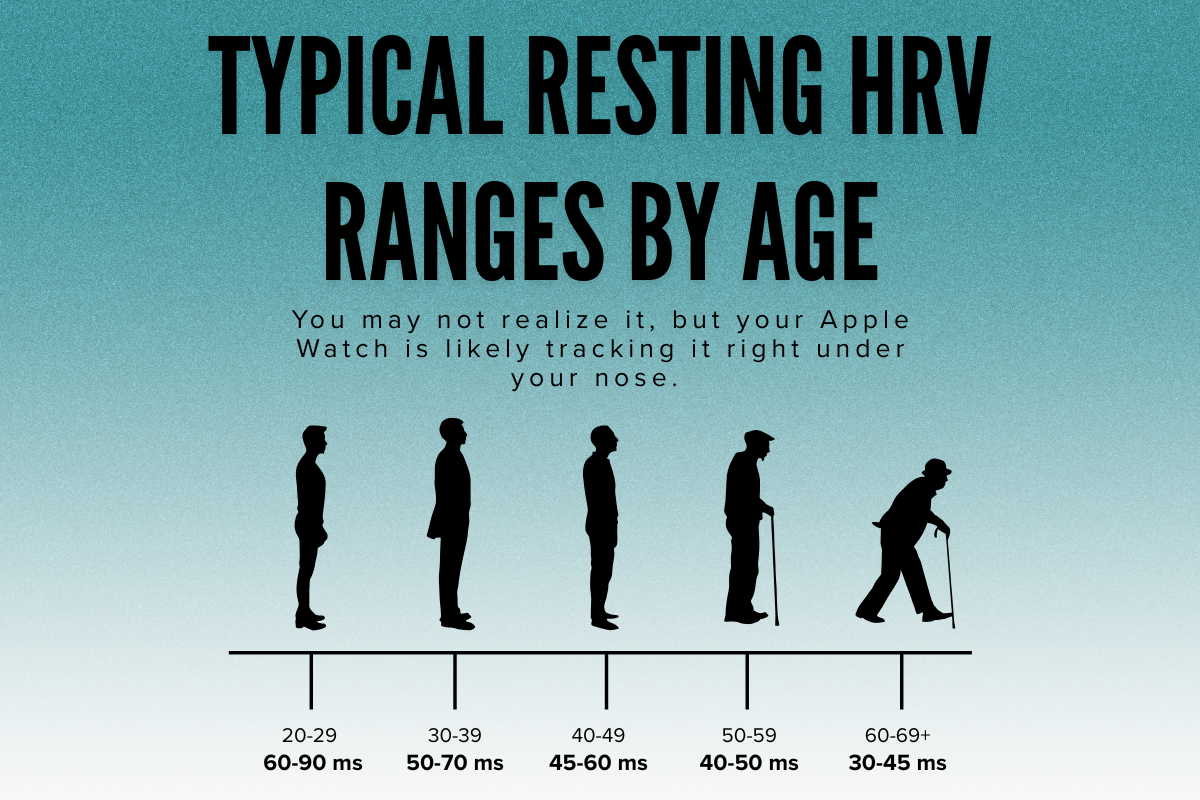 HRV varies from person to person, but here are general resting HRV ranges:
-
Ages 20–29: 60–90 ms
-
Ages 30–39: 50–70 ms
-
Ages 40–49: 45–60 ms
-
Ages 50–59: 40–50 ms
-
Ages 60–69+: 30–45 ms
Heart Rate Variability naturally decreases with age as parasympathetic activity declines. Your personal baseline and trends are far more important than comparing your HRV to someone else’s.
 
Why Heart Rate Variability Matters for Mental Health
 HRV is closely connected to emotional balance and mental resilience. Low HRV is associated with:
-
Increased stress and anxiety
-
Irritability and mood imbalance
-
Difficulty regulating emotions
-
Burnout and fatigue
-
Reduced ability to adapt to life’s challenges
A higher Heart Rate Variability often reflects better emotional stability, calmer mood, and improved stress response, making it a powerful tool for mental health monitoring.
What Affects Your HRV?
Several lifestyle and health factors influence your Heart Rate Variability:
-
Sleep habits
-
Daily stress
-
Physical activity
-
Inflammation
-
Hydration and nutrition
-
Alcohol intake
-
Emotional well-being
-
Environmental toxins
-
Underlying illness or infection
Tracking HRV helps you understand what supports — or drains — your nervous system.
 
How to Improve Heart Rate Variability Naturally
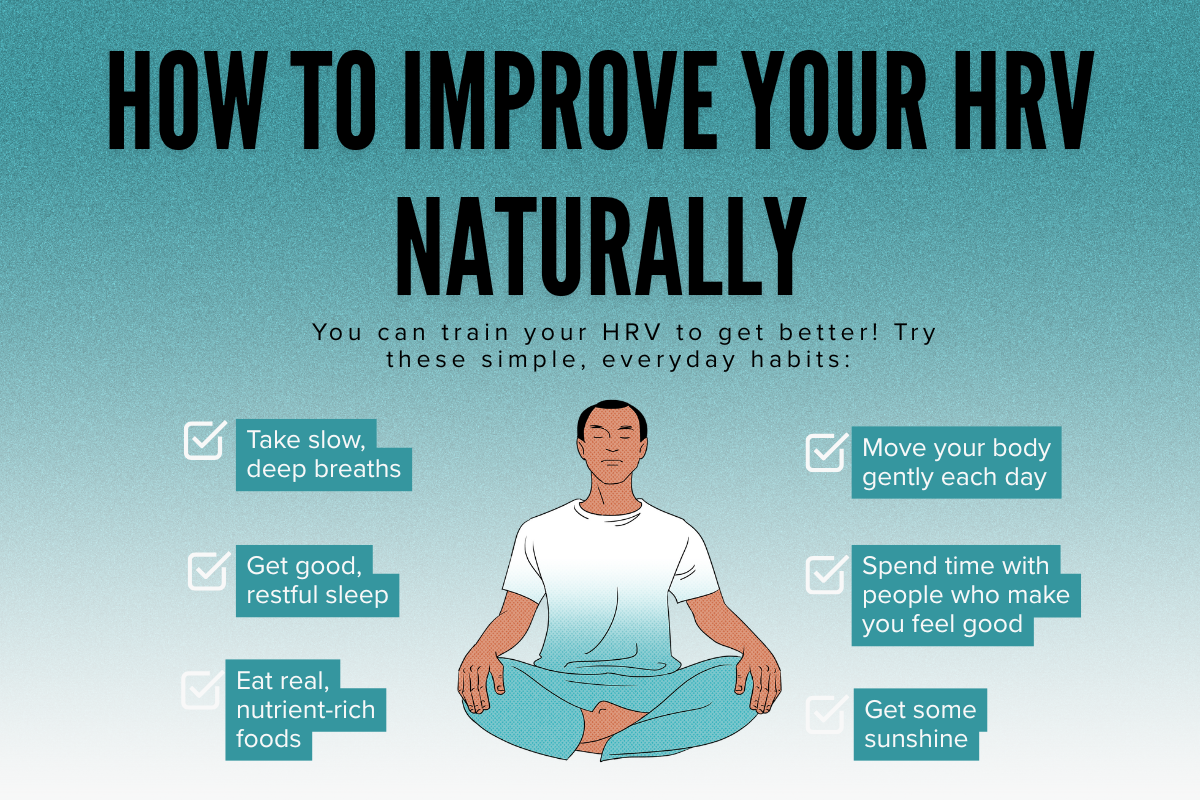 You can raise your HRV and strengthen your stress resilience with simple daily habits:
✔ Get consistent, high-quality sleep
Good sleep restores your nervous system and increases HRV.
✔ Move your body regularly
Walking, strength training, and light exercise improve HRV over time.
✔ Practice deep breathing and mindfulness
These activate the vagus nerve and raise Heart Rate Variability naturally.
✔ Eat anti-inflammatory foods
Whole foods, healthy fats, and antioxidants support autonomic balance.
✔ Reduce alcohol and stimulants
They can dramatically lower HRV for hours or days.
✔ Support emotional health
Mindfulness, therapy, and journaling can positively influence HRV and mood.
 
Heart Rate Variability: A Window Into Your Body’s Resilience
Heart Rate Variability offers a clear look into how well your mind and body handle stress. While HRV naturally changes with age, improving your lifestyle can significantly boost your nervous system, mood, energy, and overall well-being.
Your HRV isn’t about perfection — it’s about understanding your body and improving your resilience over time.
At Functional Mind LLC, we help you understand root causes of stress, inflammation, and mood imbalance — including how markers like Heart Rate Variability reflect your overall health.
💚 Work with Dr. Achina Stein — Functional Medicine Psychiatrist
📞 401-270-4541
📅 Book your FREE 25-minute discovery call: https://fxnmind.com/free-consultation-with-achina