PANS and PANDAS: Symptoms, Causes, Mental Health Connection & Treatment Approaches
 PANS and PANDAS: When Sudden Mental Health Symptoms May Have an Underlying Medical Cause
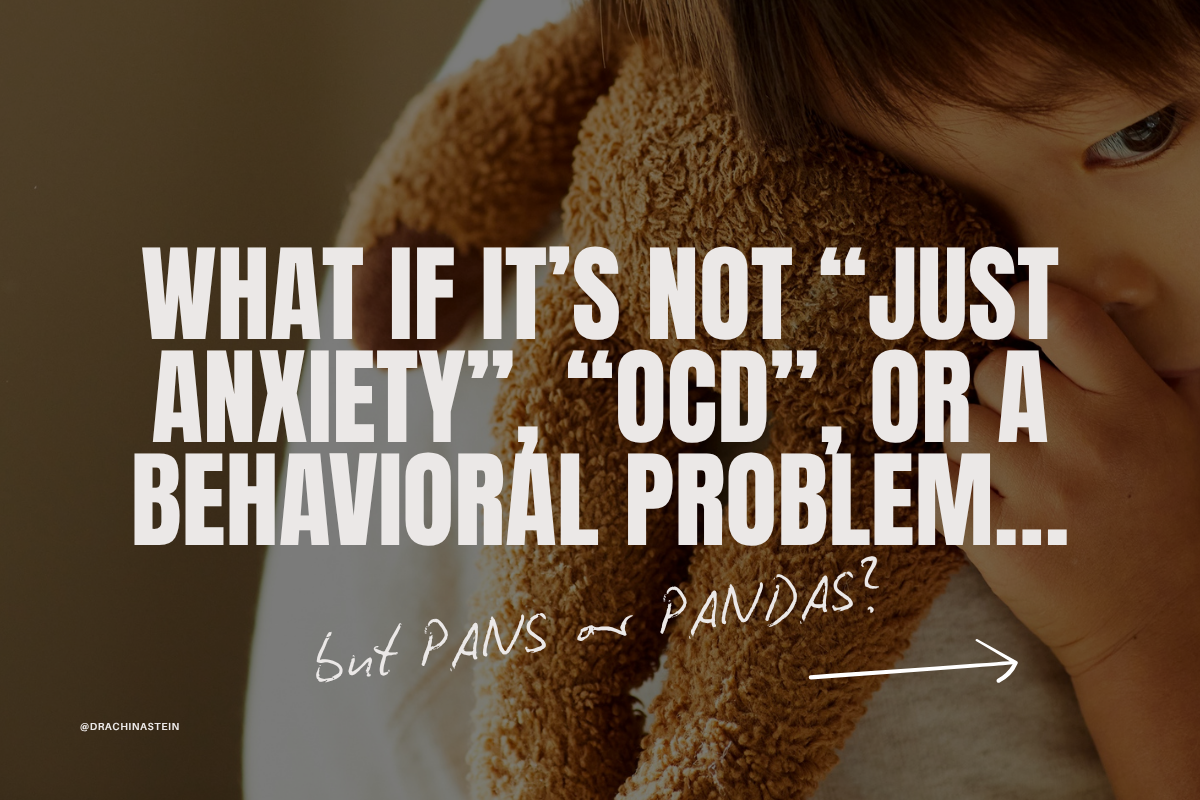
What if sudden anxiety, OCD behaviors, panic attacks, rage, or tics are not simply “behavioral problems,” but signs of an underlying medical condition affecting the brain and immune system?
PANS and PANDAS are increasingly recognized conditions that may help explain sudden and dramatic changes in mood, behavior, and cognitive function in some children and adolescents. These conditions highlight the strong connection between the immune system, inflammation, infections, and mental health.
At Functional Mind LLC, we believe it is important to explore both psychological and biological factors when evaluating mental health symptoms.
What Are PANS and PANDAS?
What Is PANS?
PANS stands for Pediatric Acute-onset Neuropsychiatric Syndrome. PANS is a condition characterized by the sudden onset of neuropsychiatric symptoms, including anxiety, obsessive-compulsive behaviors, mood changes, and cognitive difficulties. Symptoms often appear abruptly and may significantly disrupt daily life.
PANS can be triggered by multiple factors, including:
- Viral infections
- Bacterial infections
- Mold exposure
- Immune dysfunction
- Chronic inflammation
- Environmental triggers
What Is PANDAS?
PANDAS stands for Pediatric Autoimmune Neuropsychiatric Disorders Associated with Streptococcal infections. PANDAS is considered a subtype of PANS specifically associated with streptococcal (strep) infections.
Researchers believe that after a strep infection, the immune system may mistakenly target parts of the brain involved in behavior, movement, and emotional regulation.
The Difference Between PANS/PANDAS and Other Mental Health Disorders
One of the most important differences between PANS, PANDAS, and traditional psychiatric disorders is the speed of symptom onset. Many mental health conditions develop gradually over time. In contrast, PANS and PANDAS symptoms often appear suddenly, sometimes within days or even overnight.
Children may experience:
- Sudden anxiety
- New OCD behaviors
- Emotional outbursts
- Panic attacks
- Tics
- Sleep disturbances
- Rapid personality changes
- Decline in school performance
Because these symptoms may resemble ADHD, OCD, anxiety disorders, bipolar disorder, or depression, PANS and PANDAS are sometimes misunderstood or misdiagnosed.
Common Symptoms of PANS and PANDAS
Symptoms can vary widely, but common signs include:
Emotional and Behavioral Symptoms
- Severe anxiety
- Panic attacks
- Sudden OCD symptoms
- Irritability
- Rage episodes
- Depression
- Emotional instability
Cognitive Symptoms
- Brain fog
- Difficulty concentrating
- Memory issues
- Reduced academic performance
Physical Symptoms
- Tics or unusual movements
- Sleep problems
- Sensory sensitivities
- Appetite changes
- Frequent urination
The sudden onset of these symptoms is one of the key warning signs of PANS and PANDAS.
What Causes PANS and PANDAS?
Although research is ongoing, scientists believe inflammation and immune dysfunction may play a significant role.
Infections or environmental triggers may activate the immune system in a way that affects the brain and nervous system. Certain areas of the brain, including the basal ganglia, may become inflamed, contributing to emotional and behavioral changes.
Possible triggers include:
- Streptococcal infections
- Viral infections
- Lyme disease
- Mold exposure
- Chronic inflammation
- Immune system dysregulation
This growing area of research continues to support the idea that mental health and physical health are deeply connected.
The Mental Health and Brain Inflammation Connection
PANS and PANDAS demonstrate how inflammation may influence:
- Mood
- Anxiety levels
- Sleep
- Focus
- Emotional regulation
- Cognitive performance
This is why some symptoms that appear purely psychiatric may also involve biological or inflammatory processes.
Understanding the connection between the brain, immune system, gut health, and nervous system may help families pursue more comprehensive evaluations and personalized care.
Functional Medicine and Integrative Support for PANS and PANDAS
A functional and integrative approach focuses on identifying potential underlying contributors to symptoms while supporting overall brain and body health.
Potential areas of evaluation may include:
- Infection testing
- Immune system support
- Reducing inflammation
- Gut health optimization
- Nutritional support
- Sleep improvement
- Stress regulation
- Nervous system support
Lifestyle foundations that may support healing include:
- Anti-inflammatory nutrition
- Consistent sleep routines
- Hydration
- Gentle physical activity
- Stress management
- Reducing environmental toxin exposure
Every individual is unique, which is why personalized care is important.
Hope for Families Navigating PANS and PANDAS
PANS and PANDAS can be overwhelming for both children and families, especially when symptoms appear suddenly and intensely.
However, awareness and early recognition may help families find answers sooner and pursue appropriate support.
Mental health symptoms are real, but sometimes the underlying causes may involve more than psychology alone. Exploring the connection between infections, inflammation, immune health, and brain function may provide a more complete picture of healing and recovery.
If you are looking for a functional and integrative approach to mental health care, Functional Mind LLC is here to help.
? Call Functional Mind LLC: 401-270-4541
? Book your FREE discovery call: https://fxnmind.com/free-consultation-with-achina